Museums for Nature will support eight partner museums to map habitats and enhance biodiversity with National Lottery Heritage Fund backing.
The Natural History Museum has launched Museums for Nature, a programme partnering with museums across the UK to transform their sites, boost biodiversity and engage local communities in nature recovery.
The initiative, supported by the National Lottery Heritage Fund, will see the museum partner with eight organisations during a pilot year before a wider rollout across the museum sector.
Tom Bevan, Head of National Programmes at the Natural History Museum said: “As one of the most nature-depleted countries in the world, the UK must act. By working with museums to transform their spaces for nature, we can empower people to take action, deepen their connection with the natural world, and become Advocates for the Planet.”
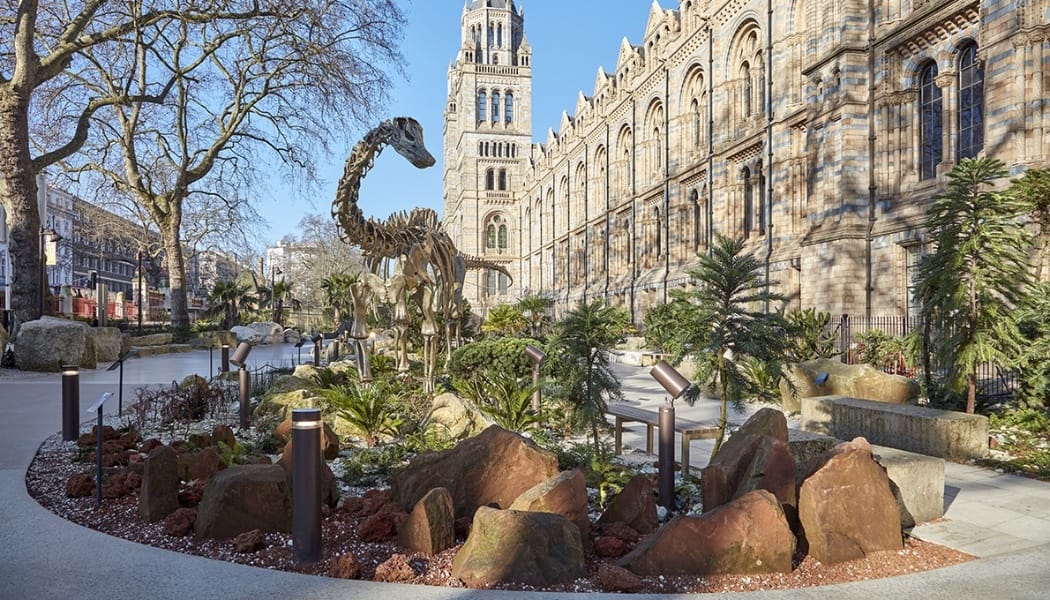
The programme builds on the Natural History Museum’s garden transformation, which opened in 2024. The museum is partnering with eight museums from the Real World Science network in the programme’s first year.
Jessica Bradford: My First Year as director of collections at Natural History Museum
Museums for Nature will support museums to map existing habitats and identify interventions to enhance biodiversity across their gardens, while engaging communities through community science and hands-on action. Activities will include creating pollinator-friendly habitats, digging ponds and developing planting schemes.
Museums involved in the first year are Birmingham Museums Trust, the Herbert Art Gallery & Museum in Coventry, Great North Museum: Hancock in Newcastle upon Tyne, Amgueddfa Cymru – Museum Wales, Touchstones in Rochdale, Wollaton Hall in Nottingham, National Museums NI and the Natural History Museum in Tring.
Lisa Ford, head of learning and engagement at Culture Coventry, said: We are particularly excited to engage early years families and older adults through nature-inspired and intergenerational activities, from STEM play sessions and community gardening to reminiscence projects and biodiversity initiatives. By working with valued community partners we hope to create welcoming green spaces that support wellbeing, connection and lifelong engagement with nature.”
The project is part of the museum’s Urban Nature Movement, a collection of programmes that advances the Natural History Museum’s goal of creating advocates for the planet. Community science forms a key part of the museum’s strategy to 2031.