UK Heritage Pulse survey of 73 sites finds three in four directly affected by June’s extreme heat, with indoor readings exceeding outdoor peaks.
One heritage site recorded an indoor temperature of 40°C during last month’s heatwave, higher than the hottest outdoor temperature logged by any site surveyed, according to a UK Heritage Pulse survey.
June’s red weather warning pushed temperatures into the high 30s. The highest outdoor temperature recorded by respondents was 38°C. More than half of the sites that logged an indoor temperature reached 30°C or above.
Visitor numbers fell at 44% of sites, and events were cancelled or postponed at one in five. Additional costs are expected by 42% of respondents, with a further quarter saying it was too early to tell.
Heatwave closures: galleries, venues shut after high temperatures
The data comes from one of the National Lottery Heritage Fund’s regular ‘UK Heritage Pulse’ surveys. It found that 75% of respondents said their site was directly affected by the extreme heat, 55 of 73 who answered the question, with a quarter of those describing the impact as significant. A total of 79 organisations responded to the survey overall.
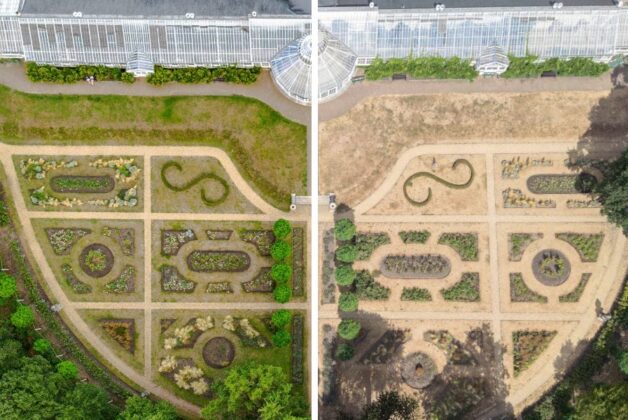
The most common effect reported was increased energy use for cooling and climate control, cited by 46% of respondents. Difficulty maintaining stable environmental conditions was reported by 37% and higher water consumption by 35%, with a quarter noting stress to natural or outdoor environments from scorching and drought.
A volunteer-led site told the survey: “All of our regular week day volunteers are over 60, with most over 70, so we put volunteer welfare as the top priority during the recent hot weather. Consequently we cancelled all our public events this week, although 2 primary school visits were cancelled by the schools themselves.”
All collections holders who responded, including museums, libraries and archives, reported an impact. Organisations with paid staff were more likely to be affected than volunteer-run ones, at 79% against 65%.
On staffing, 56% of respondents introduced extra welfare measures such as water, breaks and cooling, and 49% reduced or adjusted working hours. Concerns about working conditions were raised at 44% of sites, a third had staff or volunteers unable to work, and 16% reported people becoming unwell in the heat.
On preparedness, 58% of respondents described themselves as fairly or very well prepared for future extreme heat, leaving 42% who felt not very or not at all prepared. Community heritage groups felt least prepared at 31%, compared with 71% of those caring for historic buildings and monuments.
Several respondents said the heatwave exposed vulnerabilities they had not anticipated.
One told the survey: “The power to our main strongrooms failed (probably not due to hot weather) but it had knock-on impact due to high temperatures. Humidity alarms and VESDA alarms triggered in other strongroom block; outdoor air used to keep conditions correct was too humid so had to adjust/switch off equipment; additional watering of community garden required (beyond supplies in water butts).”