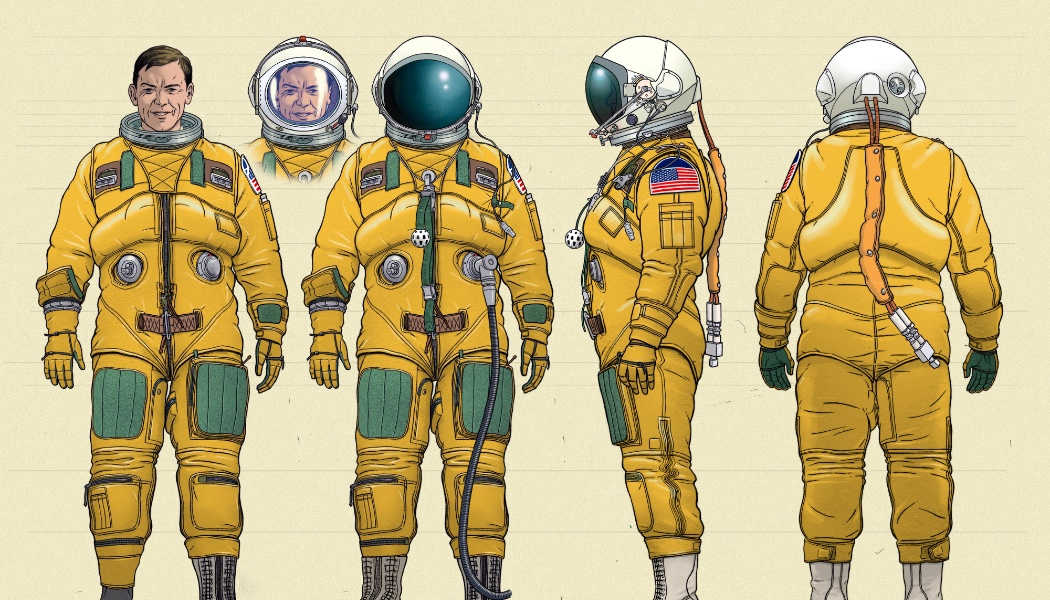
SKC Studios secures a five-year agreement with Air Zoo as it expands into the United States, deploying its conversational AI platform across one of aviation’s most iconic heritage programmes.
SKC Studios is working with former SR-71 Blackbird crew members, museums and aviation stakeholders across the United States to preserve one of the most remarkable collections of living expertise in aviation history before it disappears forever.
SKC Studios, through its conversational AI platform 1956 Individuals, has signed an agreement with Air Zoo to create what is believed to be the world’s first AI Blackbird Pilot. The project will capture first-hand knowledge, stories and experiences directly from the people who flew, maintained and supported one of the most iconic aircraft programmes ever created.
The agreement includes a five-year licence and represents a significant commercial milestone for the Cambridgeshire company as it expands into the United States market. The project is expected to become a flagship example of how knowledge-led conversational AI can help preserve expertise and cultural heritage at scale.
The Lockheed SR-71 Blackbird remains the fastest air-breathing aircraft ever operated, capable of flying at more than three times the speed of sound. While surviving SR-71 aircraft can still be found in museums across the United States, much of the knowledge behind the programme remains with the people who were involved in it.
Only 86 pilots ever qualified to fly the SR-71.
Alongside those pilots were Reconnaissance Systems Officers (RSOs), engineers, maintainers and ground crew whose expertise helped make the programme possible.
As that generation grows older, there is increasing concern that invaluable first-hand knowledge could be lost forever. Over the coming months, members of the project team will travel throughout the United States, meeting Blackbird veterans, museum leaders and aviation stakeholders.
Unlike many artificial intelligence systems that draw information from broad internet sources, the AI Blackbird Pilot will be built using a dedicated and ringfenced knowledge base created specifically for the project.
Information will be gathered directly from Blackbird veterans and subject matter experts, allowing responses to be based on validated information and direct accounts.
That distinction sits at the heart of the project.
The experience is designed to provide conversational access to knowledge contributed directly by members of the Blackbird community.
The project will also be documented by an independent videographer, creating a documentary-style record of how the information was collected, validated and transformed into a conversational experience. The resulting “Making of the AI Blackbird Pilot” experience will sit alongside the finished avatar.
Troy Thrash, President & CEO, Air Zoo Aerospace & Science Center said: “At the Air Zoo, our mission is to inspire and educate future generations through the stories, people and innovations that have shaped aerospace history. The SR-71 Blackbird remains one of the most extraordinary aircraft ever built, but the people behind the programme are every bit as important as the aircraft itself. Museums have always been responsible for preserving history, and this project gives us an opportunity to preserve something even harder to capture: the expertise, judgement and lived experiences of the people who made the programme possible.
“By working directly with members of the Blackbird community, we can ensure future visitors learn from authentic first-hand accounts. We believe this project has the potential to transform how museums preserve knowledge and connect new generations with history and science.”
Babita Devi, Co-Founder and Chief Commercial Officer of SKC Studios, said: “The SR-71 programme brought together an amazing community of pilots, RSOs, engineers, maintainers and support personnel whose expertise remains unmatched today. Our goal is to preserve that knowledge and make it accessible to future generations through conversation. For us, the technology is simply the means. The real objective is ensuring that the experiences, lessons and insights of the Blackbird community remain available long after its members have retired.”
The experience will premiere at the Air Zoo’s “Spyposium” Blackbird Crew gathering in August 2027, an event anticipated to bring together over 40 surviving members of the SR-71 community from across the United States.
The vision extends well beyond a single museum deployment.
The platform is being designed so that museums housing SR-71 aircraft can launch their own Blackbird experiences simultaneously, creating a network capable of preserving and sharing specialist knowledge across multiple locations. Future developments could include additional avatars representing engineers, maintainersand other members of the Blackbird programme, creating a richer and more complete picture of one of aviation’s greatest achievements.
The project reflects a growing challenge facing museums and heritage organisations worldwide: how to preserve not only archives and artefacts, but also the expertise and experiences of the people behind them, in a way that is accessible.
For the Blackbird community, it could ensure that some of the most extraordinary stories in aviation history continue to be heard long after their retirement.