
Stagetext explains why captions and BSL meet different needs, as it launches The Third Seat during Captioning Awareness Week.
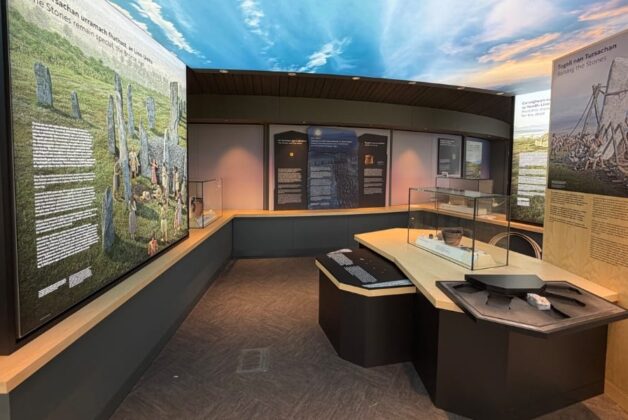
Museums, galleries, and heritage organisations invest considerable time, expertise, and resources into interpreting their collections. From exhibition films and oral histories to guided tours and curator talks, spoken interpretation helps visitors explore the stories, research, and historical evidence behind the objects and places they encounter. Yet, for visitors who are deaf or hard of hearing, some of this information may remain inaccessible.
According to RNID, an estimated 18 million people in the UK are deaf, deafened or hard of hearing or experience tinnitus, representing around one in three people. While many continue to enjoy visiting museums and heritage sites, others may find themselves missing important information, avoiding particular activities, or choosing not to visit at all.
These experiences are not always visible to the organisations providing them. Visitor numbers can tell us who entered a museum, but not necessarily who was able to engage fully with its interpretation.
Nick Tedd, a deaf ambassador for Stagetext, describes the frustration this can cause:
“Audio guides, guided tours and video presentations are often provided without captions, leaving deaf and hard of hearing visitors missing out on the very information that brings an exhibition to life.”
Many museums have made welcome progress in improving accessibility, including through British Sign Language (BSL) interpreted tours and events. However, as Nick highlights, not everyone who is deaf or hard of hearing communicates through BSL.
Many visitors rely on spoken English and require captions to access information. BSL interpretation and captioning meet different, sometimes overlapping communication needs, and providing one does not necessarily remove the need for the other.
The benefits of subtitles also extend beyond deaf and hard of hearing audiences. Recent YouGov research found that 30% of Britons generally prefer watching television and films with subtitles, rising to 53% among 18–24-year-olds. While these findings relate to screen viewing rather than museum attendance, they highlight the wider value of subtitles for people with different communication needs and preferences.
This is particularly important when considering how visitors experience museums. A visitor might spend an afternoon exploring an exhibition yet miss the interpretation contained within a film. Others may avoid guided tours or public lectures because they know they will struggle to follow the spoken content. Even when accessible events are available, visitors may find that their opportunities to participate are restricted to particular dates or times.
As Nick explains:
“Accessibility shouldn’t be an occasional special event or something we have to request in advance. It should be part of the everyday visitor experience.”
For many museums and heritage organisations, the challenge is not a lack of commitment, but the practical realities of limited budgets, staffing pressures, and competing priorities. Making every aspect of an exhibition or programme accessible cannot always happen immediately. However, considering accessibility from the outset can help organisations identify opportunities to make meaningful improvements within their available resources.
This might involve incorporating subtitles when commissioning new exhibition films, reviewing existing audiovisual interpretation, or considering live subtitling when planning talks and public events. Small, considered changes can help ensure that more visitors have access to the information and experiences that museums work so carefully to provide.
During Captioning Awareness Week (9–15 November 2026), Stagetext is introducing The Third Seat, an initiative encouraging cultural organisations to recognise audiences whose experiences may be limited by inaccessible spoken communication.
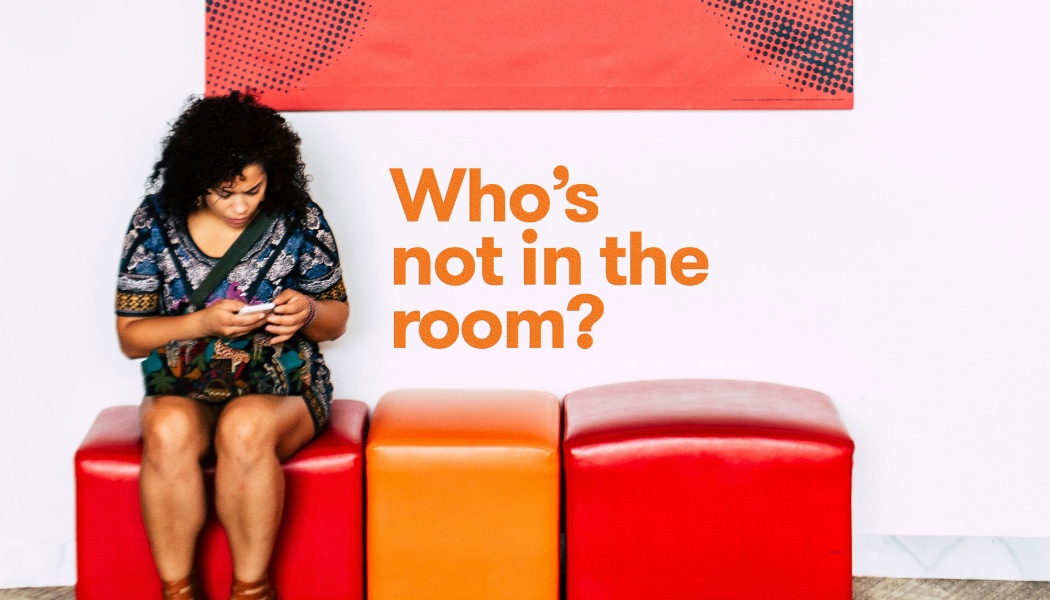
For museums and heritage organisations, this means considering not only who might be missing from their visitor numbers, but also those who are already present and may not be receiving the full experience.
Ultimately, accessibility is not simply about enabling visitors to enter a museum but ensuring that they have meaningful opportunities to engage with what they find there. The question is not simply who is missing from our museums, but who might be missing out on the stories being told within them.
To find out more about The Third Seat and how Stagetext can support your organisation, visit stagetext.org.