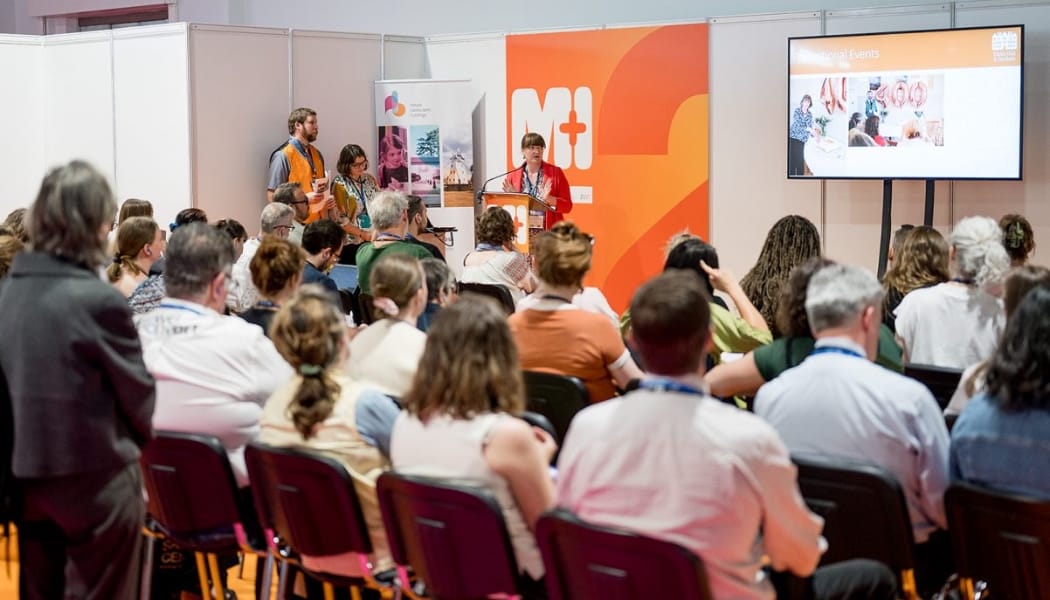
Practical tools, case studies and honest conversations: the accessibility and inclusion sessions at the Museums + Heritage Show, 13–14 May, Olympia London.
From sensory access to class inequality, queer heritage to community-led co-curation, this year’s Museums + Heritage Show puts accessibility and inclusion at the centre of its programme. Taking place on 13–14 May at Olympia London, the show brings together practitioners, researchers and community organisations to share practical tools, case studies and honest reflections on what it takes to build a more inclusive sector.
Leading the way is The Sensational Museum: Discover our open access tools and resources, in which Research Lead Hannah Thompson, Lead Communication Alison Eardley, and Rachel Teskey, Director of Barker Langham, present an open access toolkit developed with pilot museums, sector partners and community members. The toolkit is designed to help museums create inclusive content for both disabled and non-disabled audiences, with equitable co-creation at its core.
Disability and sensory access feature prominently elsewhere in the programme. Robert Morgan, Head of Service at Remark!, a Deaf-led organisation, offers practical guidance on improving the visitor experience for D/deaf people in Widening access for D/deaf visitors in museums and heritage sites, covering Deaf Awareness and the role of British Sign Language in public spaces.
At Great North Museum: Hancock, a simple sensory pod has had a measurable impact on accessibility and wellbeing: Dr Kate Holden, Learning Officer, and David O’Coimin, Director of Nook, share the user feedback and staff insight behind that project in Think Small, a case study: How sensory pods support Great North Museum: Hancock.
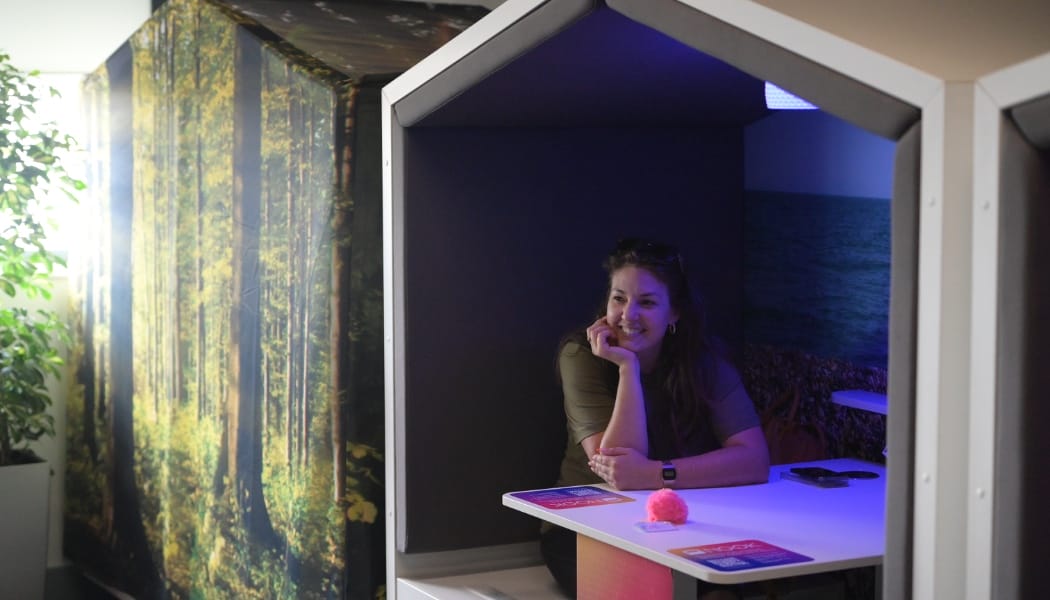
Nook will also be exhibiting at the show, giving visitors the chance to explore three pods on the exhibition floor: a Sensory Nook Escape, a Sensory Nook Support and a Sensory Nook Shelter, the latter featuring two removable seats to accommodate wheelchair users. Each pod offers a sound and stimulation reducing environment, RGBW colour change lighting with a touch controller, and a fibre optic carpet wall panel. Pods can be used on a walk-up basis if available, or booked on the day with time inside limited to 20 minutes.
Museums + Heritage is working with Remark! to provide BSL interpretation for seven of the Museums + Heritage sessions, well as providing interpreters on an adhoc basis, as required. The company will also be exhibiting on stand T13.
In Supported internships in arts organisations: Learning from each other, Joanna Quilty, Assistant Visitor Experience Manager at the Design Museum, and Neil Taylor, Supported Employment Coordinator at Action on Disability, reflect on their supported internship programme for SEND students, including the practical role of the charity partnership and the outcomes for young people involved.
The programme also confronts some harder questions about structural inequality. Class inequality in museums: A case study with Museum as Muck, Royal Holloway University and Birmingham Museums Trust brings together Dr Samantha Evans, Lecturer at Royal Holloway Business School, University of London, Michelle Mcgrath, Founder of Museum as Muck, Robert Lewis, Director of Transformation, Wayne Dixon, Visitor Experience Manager, and Rafailia Thiraiou, Visitor Experience Event and Project Coordinator at Birmingham Museums Trust. The session examines how class shapes workforce experiences and how museums can unintentionally reinforce inequity, with practical actions organisations can take to become more class-inclusive.
Reimagining heritage: Lessons from the UnMuseum project takes a similarly unflinching look at trust, trauma and power. Amanda Egbe, Chair of the Regional Steering Group at UnMuseum and UWE Bristol, Japheth ‘Jeff’ Monzon, UnMuseum Administrator, Sado Jirde, Director, Ella Scotland-Waters, Senior Curator and Project Manager, and Adassa Dixon, Community Curator at Black South West Network, share what communities have told them about how institutions need to change.
What are the big questions facing museum learning? brings together Dr Wanda Wyporska, Chief Executive of Black Cultural Archives, Liberty Melly, Head of Learning at Migration Museum, and Paul Sapwell, Chief Executive of Hampshire Cultural Trust, to explore the challenges and opportunities facing the sector.
LGBTQ+ inclusion is addressed both programmatically and practically. Breaking the house rules! A toolkit for queer stories in unexpected places sees Indigo Dunphy-Smith, Independent Researcher, Writer and Public Programme Designer, introduce a practical toolkit for heritage practitioners seeking to tell more inclusive stories in historic house settings. And the Queer Heritage and Collections Network hosts A sector for everyone, a dedicated networking session in the Ambience Networking Lounge, open to anyone working in the cultural sector, particularly those from LGBTQ+ communities or working with LGBTQ+ heritage.
In Sharing the learning from the GEM Inclusive Pathways Action Research Programme, Rachel Moss, GEM Inclusive Pathways Lead, is joined by Emily Toettcher, Head of Programmers at the National Paralympic Heritage Trust, Gabriella Codastefano, Learning and Engagement Producer at Brunel Museum, and Lisa Ford, Head of Learning and Engagement at Culture Coventry Trust, to share how organisations can offer work experience and inclusive pathways.
Finally, SENsory Atelier: Transforming SEN/D education through arts and culture sees Marianne Scahill-Pape, Learning and Outreach Manager, and Lisa Jacques, SENsory Atelier Programme Manager, at Attenborough Arts Centre, University of Leicester, present a programme enabling children and young people with SEN/D to lead their own learning journeys through arts and culture.
For professionals attending the show, the programme offers plenty of space to explore what a more accessible and inclusive sector looks like in practice.

The Museums + Heritage Show takes place on 13–14 May at Olympia London.
It’s free to attend.