Alistair Hardaker
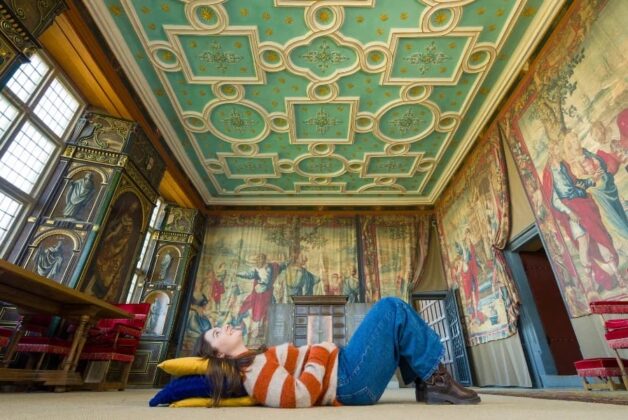
Image: SWHT curator of archaeology Amal Khreisheh © SWHT
Two-year programme will feature touring exhibitions and permanent display at Taunton museum for 2,584-coin Norman Conquest collection.
South West Heritage Trust has been awarded a £993,345 grant from The National Lottery Heritage Fund to deliver a two-year engagement project centring on the Chew Valley Hoard.
The funding will support the creation of a new permanent gallery at The Museum of Somerset dedicated to displaying the collection.
The Chew Valley Hoard comprises 2,584 silver coins from the period immediately following the Norman Conquest and represents the highest-value treasure acquisition on record. The collection of coins is valued at more than £4m.
The project will include a community engagement programme featuring activities, exhibitions, learning opportunities and events designed to provide wider public access to the archaeological discovery.
Cllr Federica Smith-Roberts, Somerset Council’s executive member for communities, housing and culture, called the Chew Valley Hoard “a hugely significant treasure in every sense of the word and we cannot wait to welcome it back home to Somerset”.
The grant will also fund improvements to access and visitor facilities at the museum, which is housed in Taunton Castle. The development aims to strengthen commercial opportunities and raise the profile of Somerset’s heritage.

Communities will first see coins from the hoard in the South West at a touring exhibition at the Roman Baths Museum in Bath, running from January to March 2027.
A permanent exhibition will subsequently open at The Museum of Somerset in spring 2027. The project coincides with international plans to commemorate the 1,000th anniversary of William the Conqueror’s birth in 2027.
Sam Astill, South West Heritage Trust chief executive, said the funding “signifies a major investment in the museum’s future, helping us improve access, broaden participation, and ensure this remarkable collection can be enjoyed for generations to come”.
Last year, coins from the hoard went go on display at the British Museum before being displayed at museums across the UK, including in Bath.
The more than 2,500 silver pennies date back to c. 1066-68, and were likely buried for safekeeping in the turmoil of the Conquest.
The hoard was first discovered in 2019 when seven people were metal detecting in the Chew Valley area of Bath and North East Somerset.
They reported the find via the British Museum’s Portable Antiquities Scheme, which records archaeological finds made by the public and also handles the local reporting of Treasure finds.