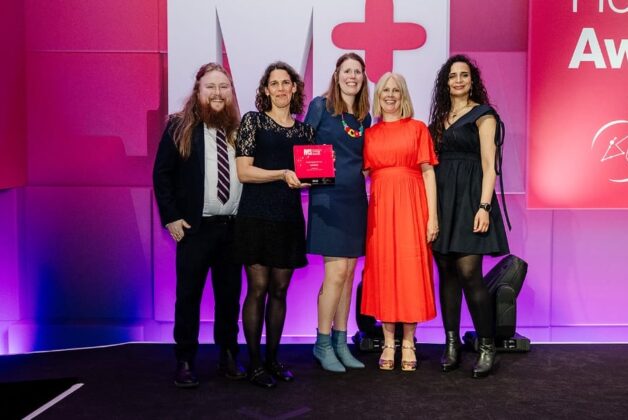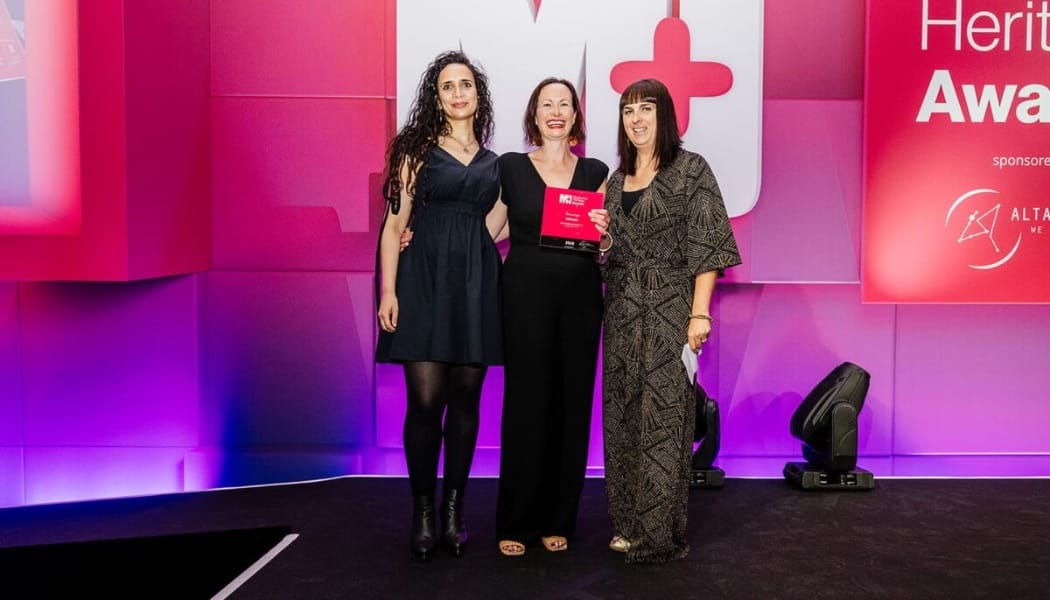
Alistair Hardaker | Image: The National Science and Media Museum receives their award at Museums + Heritage Awards 2026
Bradford Digital Creatives put young people in charge, selecting artists they could see themselves in to fill gaps in school arts provision across ten schools.
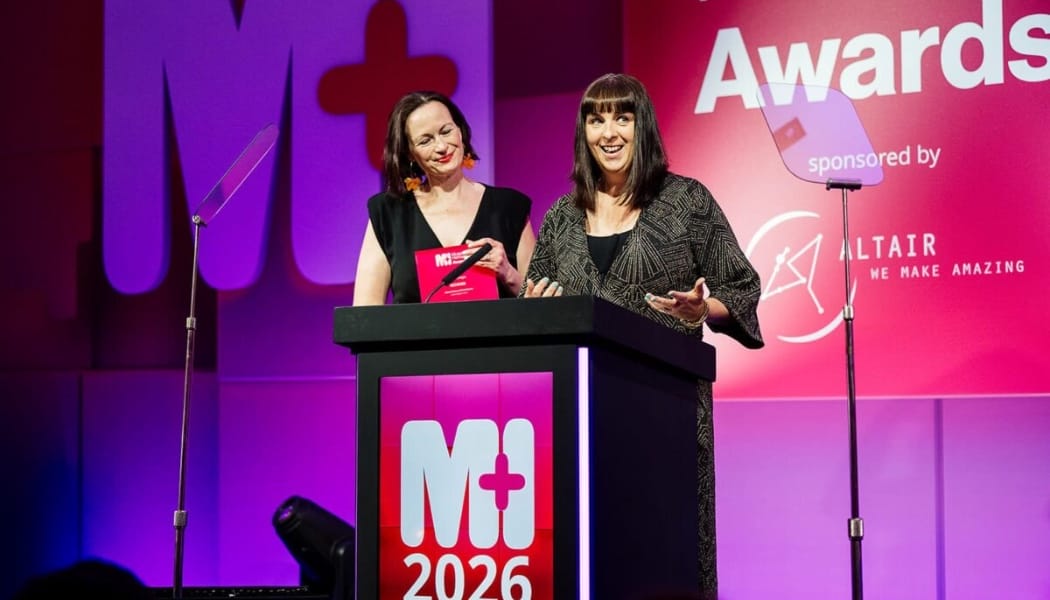
When Sally Folkard and the National Science and Media Museum won Best Use of Digital at the Museums + Heritage Awards in May, it was recognition for a project that challenged how museums think about young people and technology.
Bradford Digital Creatives had worked with over 3,000 students across six schools, later expanded to ten, but the measure of success wasn’t just numbers.
“The work wasn’t being done to, or for young people, it was being done by them,” Folkard explains. This distinction shaped everything from how workshops were designed to why the project stood out among bigger competitors.
The Yorkshire-based project was designed to empower young people with new digital skills, allowing them to confidently share their stories, supported by professional artists from Bradford and beyond.
The project resulted in a dedicated exhibition, opened up new career opportunities and even saw the work projected onto Jodrell Bank’s planetarium.
Why Artist Selection Mattered More Than Technology
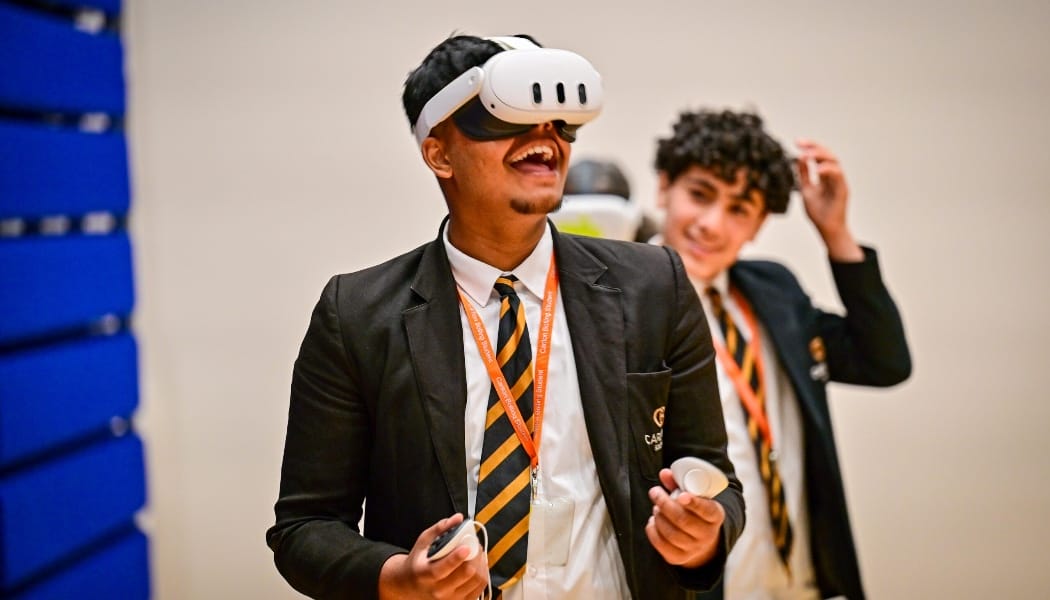
The young people who took part were introduced to a range of digital technologies including 360° video, VR, gaming, coding and audio storytelling.
But Folkard emphasises that technology was never the starting point. “We didn’t want to just work with anyone. The project isn’t just about running workshops, we’re really keen to bring artists of scale to inspire students and bring new experiences into the classroom.
The selection went far beyond finding skilled practitioners. “We focussed very much on the art forms first. So what kind of art forms did we want to showcase? We looked at who’s working in that space; ensuring we supported artists from a range of backgrounds to be in front of the young people so that they could see themselves represented.”
The artists then shared their own journeys. And those differing journeys and stories served as artistic inspiration, but also demonstrated a fruitful, creative career.
Folkard is clear about why this mattered. “Rather than just picking people that are successful and putting them in front of young people, which feels really unattainable,” artists were selected to inspire, with the aim of young people thinking “‘I think I could do this”.
Artists that represent Bradford’s communities were essential. “If we lose this element then the project won’t have the same impact. The artists are absolutely central to the project’s success.”
Entries for the Museums + Heritage Awards 2027 open on 31 October 2026 — don’t miss your chance to be recognised among the sector’s best.
Be first in line with entry details, deadlines, and insider tips to strengthen your submission.
The Gaps in School Arts Provision
The project emerged from a specific need. “We were really surprised by the lack of creative opportunities in schools in Bradford. We met a teacher recently who was saying how many of these have been lost due to resourcing and reduced budgets and it has such an impact on students’ opportunities to express themselves and to think creatively.
“This is not just an issue in Bradford, it’s impacting schools across the UK, Folkard notes.
The response was to focus the Bradford Digital Creatives project on visibility and opportunity, providing the time and space that schools sometimes cannot.
The results were measurable. Seven in ten students gained new creative skills. Over half reported increased interest in digital arts. Students became significantly more likely to consider creative careers.
One 14-year-old became a BAFTA Young Game Designers finalist. Another school launched a student-led Games Design Club.
The Moment at Jodrell Bank
The work done by the students wasn’t just shared internally. A public display transformed how young people saw their own work.
A coach trip to Jodrell Bank in Greater Manchester, with its iconic, giant telescopes, saw most students visiting for the first time. Once there, the immersive work they had created was projected inside the mammoth Jodrell Bank Space Dome.
Folkard said the entire trip was pivotal.
“Just getting them on a coach out of the city was a great thing to be able to do. It was amazing to watch the reactions of the students seeing their work on this enormous screen, they were really proud to be able to show each other what they had made.
The students’ work was also displayed in a gallery at the National Science and Media Museum across the summer allowing for it to be seen by the public and other visiting schools. The museum exhibition served a different but equally powerful purpose.
Folkard said the exhibition allowed work to be shown to their peers, parents, carers and families.
“The young people are just so proud of the work they’ve done. You have a major high-profile exhibition in one room next to a takeover of the students’ content, giving it the profile and space it deserves.
The public response surprised even the team. “It spanned all ages,” she said. “Visitors to museums want to interact and to play with things. And it absolutely was that. It was a playful gallery and young visitors got to realise that everything in there was made by other young people from Bradford which was inspiring.
Scaling and Long-Term Thinking
Folkard is clear about what’s required to continue the project’s momentum with the aim of expanding the projects reach across more schools to support more young people
And the project needs longer term funding in order for that to happen.
“There’s also a big conversation around policy and education. How we can use this to start a conversation about the lack of provision in schools – this is an urgent problem and is resulting in reducing the opportunities for young people in the future. If we can use this project to be able to open doors to that conversation locally and nationally, that for me is a key goal.”
Why ‘Bradford Digital Creatives’ Won
Entering the project for the award was ambitious, admits Folkard. “We were hopeful as it’s an amazing project but never expected to win. I know everyone says that, but we were up against some big projects, some making virtual galleries. It was kind of great to hear our project being supported by the Jury.
The recognition has helped to open doors. “Being able to say ‘this just won an award’ is incredible… It’s also the visibility of the project. Lots of people have been in touch. We’re talking to people about it.
“People are really interested about whether they could do it in their own area. It allows us to have conversations with funders and say ‘this is award-winning’. People really notice that this is a very different project and it’s had an impact on schools, parents, and young people.”
For the young people involved, it also meant validation, “letting the young people know they were part of an award-winning project”.
“The schools were so proud of their young people and of their work.”
Entries for the Museums + Heritage Awards 2027 open on 31 October 2026 — don’t miss your chance to be recognised among the sector’s best.
Be first in line with entry details, deadlines, and insider tips to strengthen your submission.