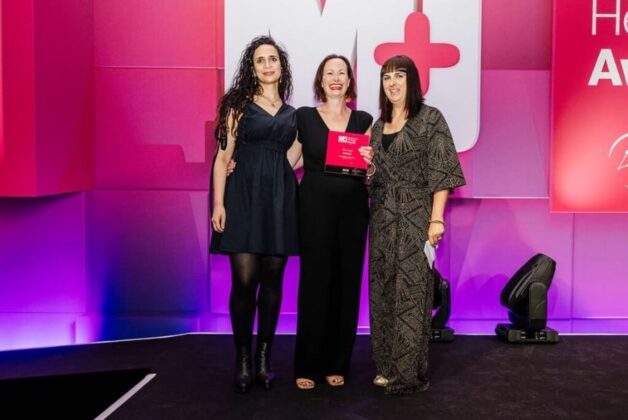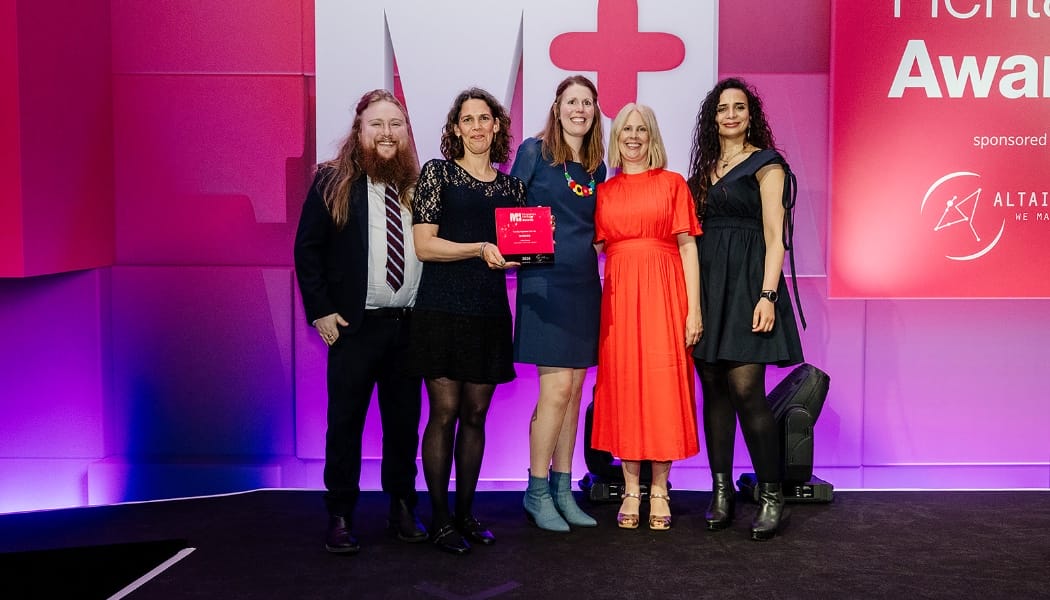
Alistair Hardaker | Image: London Museum receives their award
The award-winning archive that captured 6,000 young people’s hopes and fears at a moment when that mattered deeply
When Laura Thomson-Turnage and the London Museum’s learning team started collecting young Londoners’ voices in 2023, they were responding to something specific happening in the world. It began with a research project, “we collected, on large-scale, the hopes and fears of London’s children.”
“It happened at the start of the Gaza-Israel conflict,” said Thomson-Turnage.
The realisation was stark. “Even 10 year olds had a much deeper understanding of what was happening globally than we had even considered.”
It was clear that young people’s access to media had changed. A heightened awareness of global events, climate change, housing costs, pollution. They understood that London might be too expensive for them to live in. They cared about things their teachers didn’t necessarily expect them to care about.
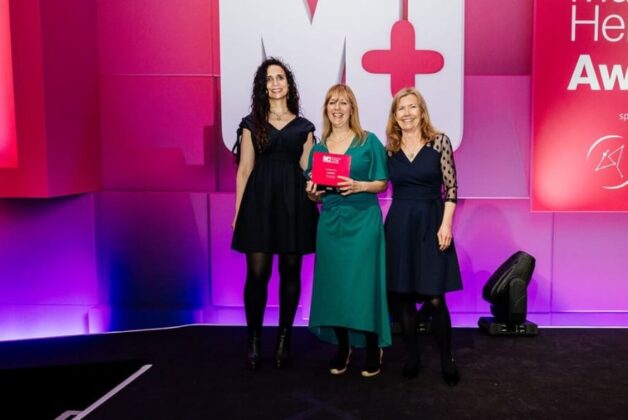
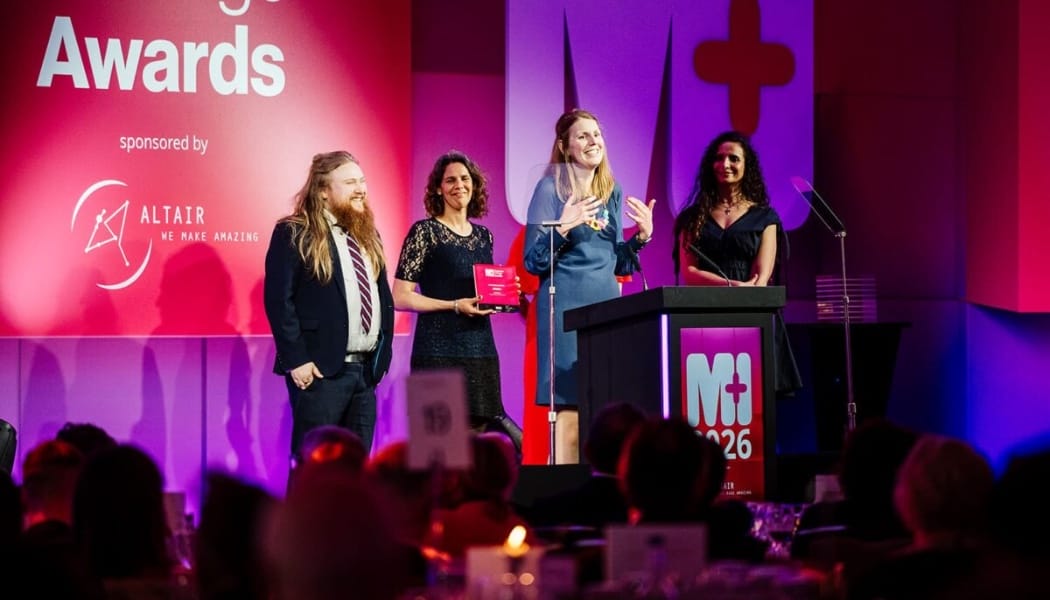
The Young Londoners’ Archive Schools Programme won Learning Programme of the Year at the Museums + Heritage Awards in May, and the award recognised something fundamental: a shift in how one major museum thinks about young people and their place in the institution.
Starting Broad, Going Deep
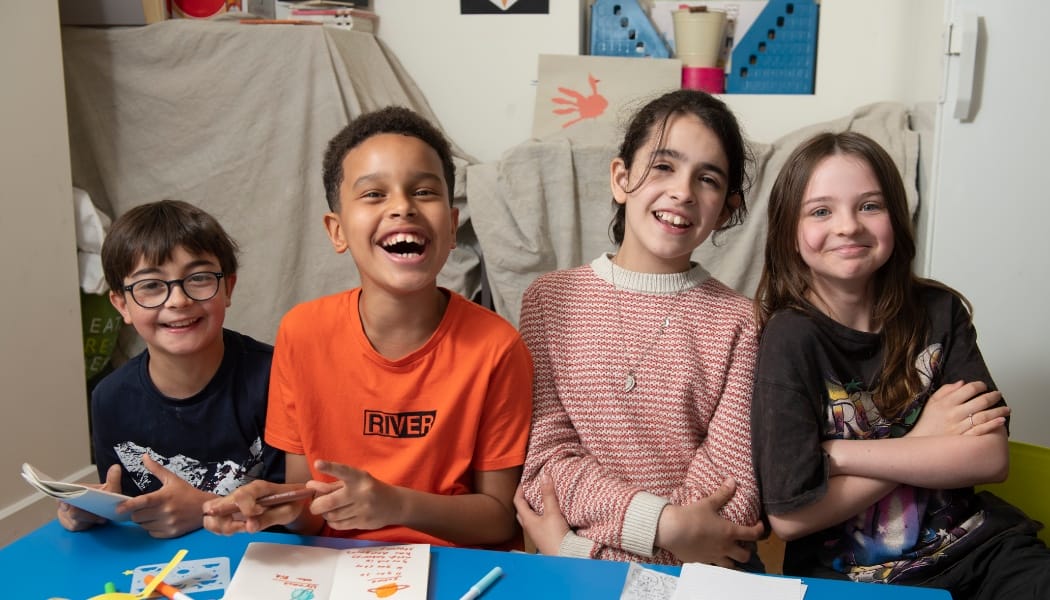
The project began with scale. A research phase reached schools across London with surveys capturing hopes and fears. Then came 33 individual projects—one in each London borough plus the City of London. Each began with an assembly show produced with London Bubble theatre company, introducing themes around belonging, identity, and the role of museums.
“The assembly show was based on our engagement framework and the stories that have been historically underrepresented in our museum or museums in general,” Thomson-Turnage explains. A whole year group engaged with these themes. From there, the team narrowed to four students per school for deeper work.
The total reach was vast, with more than 6,000 people across the project including the research project, every child that saw the assembly shows and those that participated in the digital artwork commission.
Entries for the Museums + Heritage Awards 2027 open on Monday 2 November 2026 — don’t miss your chance to be recognised among the sector’s best.
Be first in line with entry details, deadlines, and insider tips to strengthen your submission.
What Surprised Them
The awareness was one surprise. But there was something else. “Often, we would get students who hadn’t necessarily participated that well at school and they would come onto the project and they would really flourish in that setting.”
Thomson-Turnage’s philosophy shifted. “by prioritising their lived experience and showing that they are the experts in their local community, in their school and really empowering to tell their stories. So we saw students flourish while doing that.” The key reframing: “They’re not citizens of London in the future, but they’re citizens right now.”
The external evaluation uncovered something important about how the project actually worked. Objects—particularly personal objects—became a key to difficult conversations. “Objects turned abstract ideas into accessible conversations.”
The Girl with the Cat
One story crystallises what the project captured. A girl donated a selfie to the museum holding her cat. Thomson-Turnage explains the photo, in which she’s wearing summer clothes but winter gloves.
“When we were writing the caption, I asked ‘could you tell me why you’re wearing winter gloves?’ She said ‘I was really scared of my cat when I got it, so I had to wear gloves for the first few months. And now I’m not so scared. So now I don’t wear them’”.
For Thomson-Turnage, it was revelatory. “That image and caption showed the growth of a child. She had a coping mechanism, and was proud that she didn’t wear the gloves anymore.” A single image and caption became a representation of resilience, adaptation, and the small victories that matter to young people.
“That child letting me into their world and letting me understand a bit more about them, that’s what we’ll be doing for the visitor, giving them that little snapshot of a selfie image, with context around it and why it’s so interesting.”
What They Collected
The archive is now substantial. Over 100 video interviews with young people have been collected, as they discuss what matters to them and their hopes for the future. Selfies with captions explaining many moments in time, alongside “a day in the life” journals and objects.
One child donated her rugby kit, to accompany an interview about her love of the sport. “This is a really nice arc of her life as a female rugby player at school and what that’s like.”
Also collected is a Lunar New Year outfit from a girl who’d outgrown the dress, and a kippah from a Bat Mitzvah celebration.
“It’s really nice, this range of objects that pick out these really unique stories from children in London and what their lives are like at that moment when they were at school, thinking about their future or thinking about what they were doing at that time.”
A Unique Collaboration
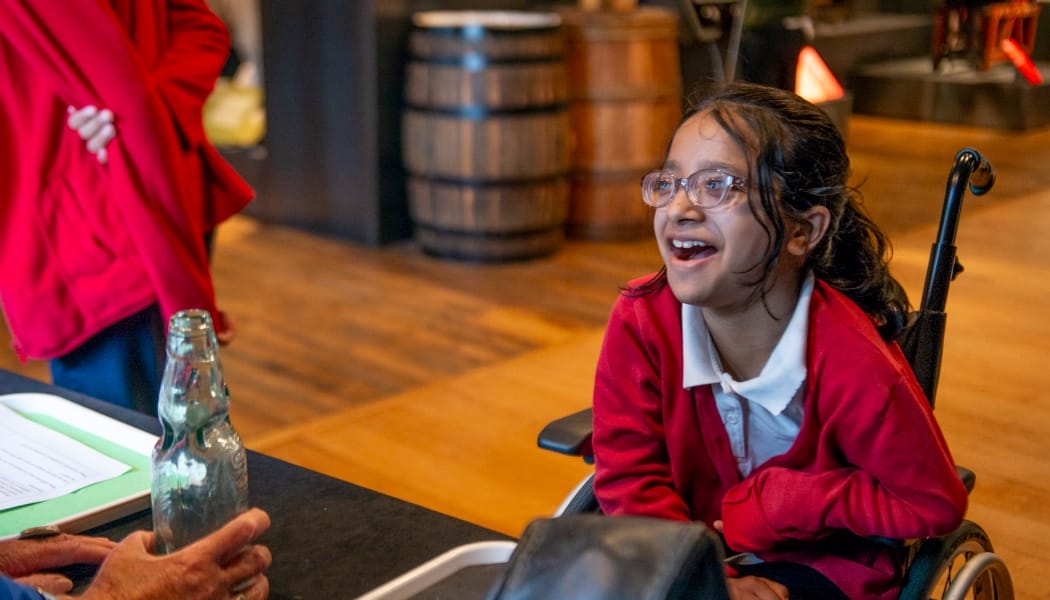
What set this project apart within the museum was how it was structured. “We don’t have this collaborative way of learning, leading on a collective project, or at least it’s the first time we’ve done it at scale. So we felt like we had a really unique lens.”
The learning team led. Curatorial came to school sessions and advised, but this wasn’t traditional curatorial-led work.
Thomson-Turnage said she was proud of how that played out. “The scale and the focus on identity and belonging is something that we’ve been trying to do over maybe the past six years to get London students thinking more about themselves as citizens in the city.”
The Archive as Time Capsule
The original intention was always to create an archive of scale. “It was the biggest collecting project of young people that the museum had ever done.” A display followed later, but the archive is the long-term investment.
This matters because it’s a snapshot. In five years, Thomson-Turnage has a plan; “ we do it again. And then we have this comparison. This is what the young people thought and hoped now, and this is what they thought and hoped in the future. So that’ll be my mini campaign.”
Young Voices Through the Museum
London Museum’s new free permanent galleries will open in Smithfield on 28 November 2026. It will feature young people’s contributions throughout. be dedicated to Generation Alpha, telling their stories. But we have consulted on lots of different areas with young people.”
The museum’s Showspace for schools and family audience engagement is deliberately positioned in the heart of the building. Seeing it, behind closed doors, was a significant moment. “That was a real shift in mindset for me, see how central it is. It’s going to be really exciting to see all the families and schools engaging right in the middle of the museum.”
What matters to Thomson-Turnage is representation. “Before [visiting students] would have seen children represented, but it would have been a reminiscence from adults about childhood, or adults donating objects of childhood, but now it’s children talking about childhood. And I think that makes a real difference in the connection that the children have when they visit.”
The Award and What’s Next
Winning the Learning Programme of the Year award meant recognition for work the team knew mattered. “Having the recognition that this project was as important as I felt it was, was wonderful. And being able to share that, having people come and ask us more questions about it, was so nice.”But the award is also a marker of something bigger. A museum has committed to treating young people as current citizens, not future audiences. It has created an archive that will allow comparative study of a generation’s hopes over time. It has proven that learning teams, leading collaboratively with curatorial, can create work at scale that surprises and transforms.
“For us, it was so wonderful to be recognised for this project, one that we all knew was really important and was doing things we hadn’t done before.”
The Young Londoners’ Archive Schools Programme worked with 10 and 13 year olds across London between 2023 and 2025. Some of the archive will be on display when London Museum’s new free permanent galleries open in Smithfield’s historic General Market on 28 November 2026.The adjacent Poultry Market will open in 2028, expanding the museum with two temporary exhibition spaces, a dedicated learning centre and a collections store.
Entries for the Museums + Heritage Awards 2027 open on Monday 2 November 2026 — don’t miss your chance to be recognised among the sector’s best.
Be first in line with entry details, deadlines, and insider tips to strengthen your submission.