
Images: Tom Arran
After years of careful work behind the scenes, Hull Maritime Museum is welcoming visitors back, explains Marcon Fit-Out
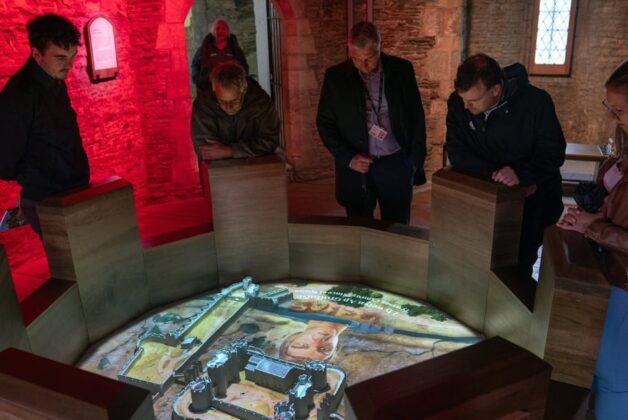
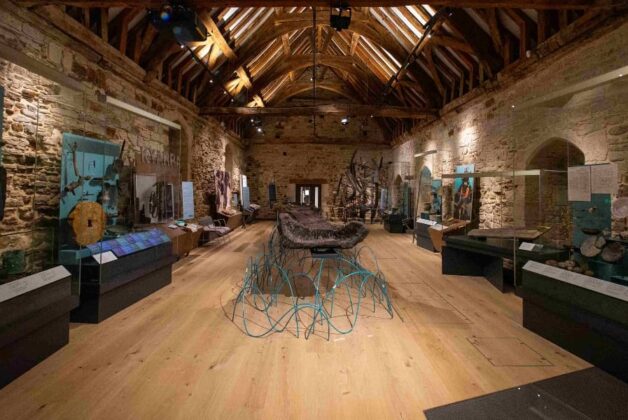
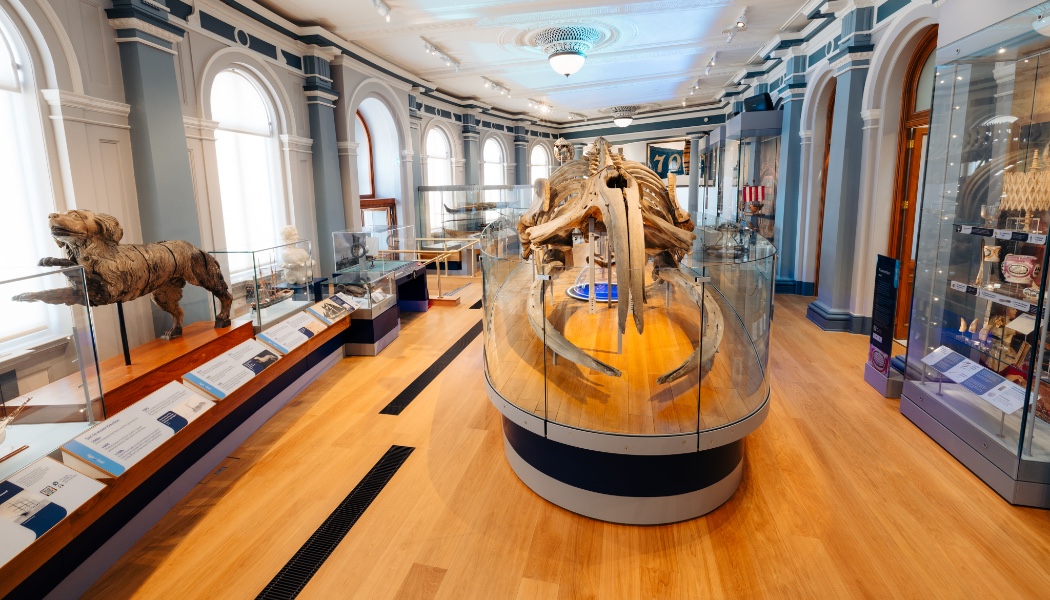
Hull Maritime Museum has reopened after a major programme of restoration and redevelopment. The work is a key part of the wider Hull Maritime programme and gives visitors a fresh way to discover the city’s 800-year connection with the sea. Historic collections sit alongside hands-on displays and digital interpretation, bringing Hull’s maritime story to life throughout the building.
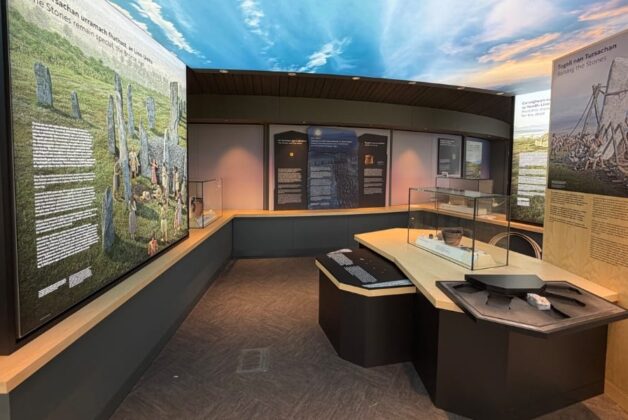
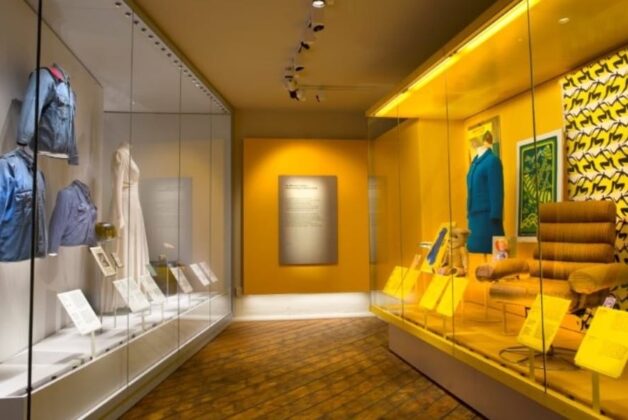
Marcon was appointed Principal Fit-Out Contractor, with responsibility for the exhibition spaces across the museum. Our package included bespoke setworks, specialist joinery, display cases, graphics, object mounts, interactive exhibits, audio-visual equipment and digital content. Fitting all of this into the former Dock Offices called for a thoughtful approach, particularly when working within such an important listed building.
There was a great deal to coordinate before anything reached the gallery floor. Drawings were developed and reviewed, samples were produced, and each detail went through a thorough approval process. That groundwork helped the installation run smoothly and ensured the new features sat comfortably alongside the building’s original character.
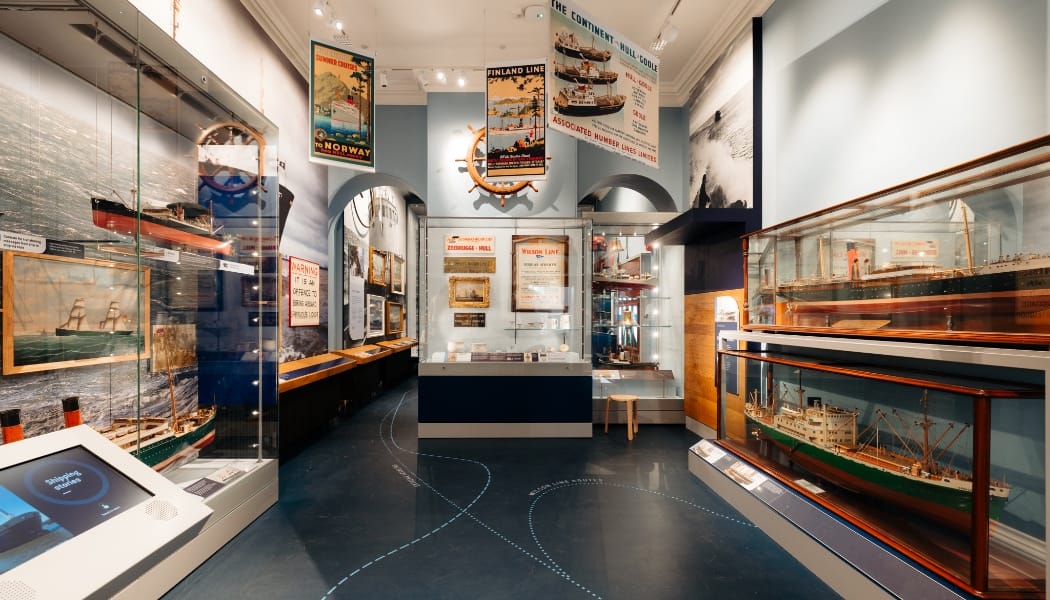
Around 1,300 objects are now on display in the expanded galleries. Together, they tell stories of trade, migration, fishing, whaling and Arctic exploration. Visitors can also enjoy interactive displays, immersive media and a new planetarium, with plenty for families, schools and anyone curious about Hull’s seafaring past.
The project brought together Hull City Council, Hull Maritime, Haley Sharpe and Focus Consultants, and all Marcon appointed specialists. With so many different elements involved, regular communication and close working across the team made a real difference.
We are pleased to have played a part in giving this much-loved museum a new lease of life. The finished spaces protect Hull’s maritime collections while making them easier and more enjoyable to explore. With the doors now open, people can once again step inside and discover the ships, industries and communities that shaped the city.