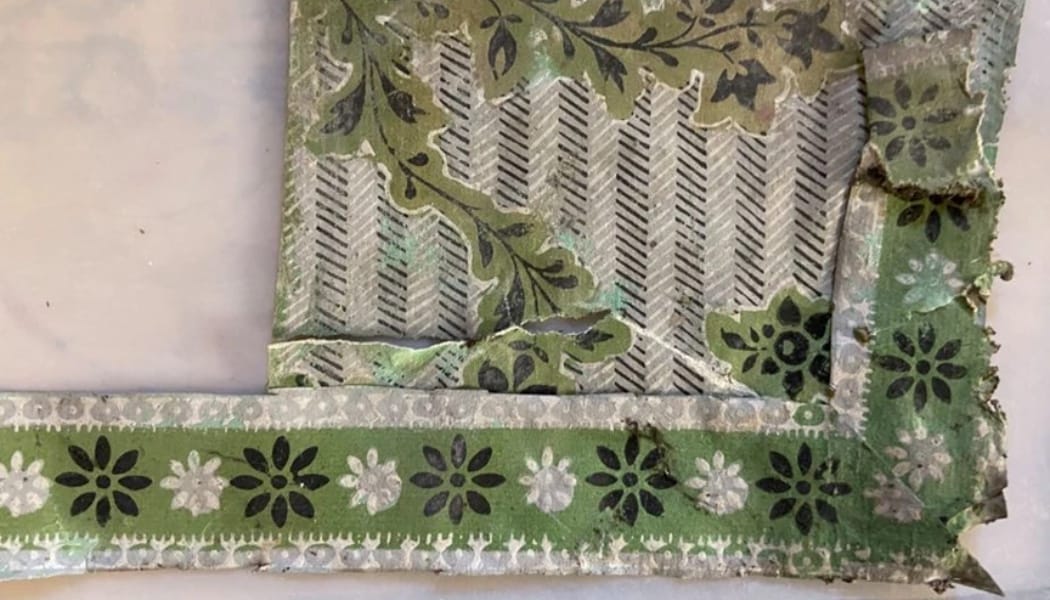
Alistair Hardaker | Image: c.1800 wallpaper at Priory House, Dunstable © Philip Aitkens
The Grade II* listed house in Dunstable has revealed wall paintings, medieval doorways and possible evidence of protective rituals.
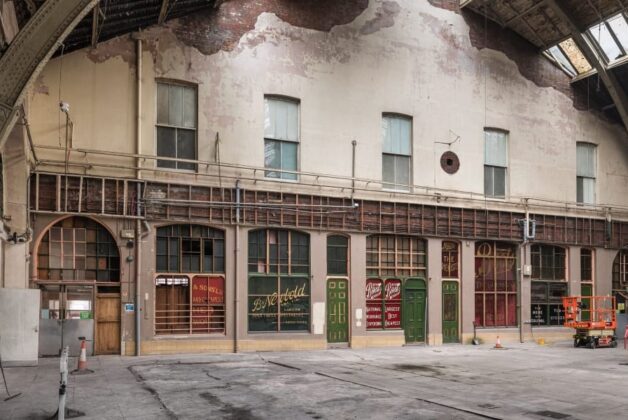
Restoration work at Priory House in Dunstable has uncovered wall paintings, medieval doorways and possible evidence of protective rituals at the Grade II* listed building.
Priory House survives as part of the original Dunstable Priory. It is being restored in a project which began in 2022, and is funded by £1.1m from the National Lottery Heritage Fund and £684,312 from Historic England.
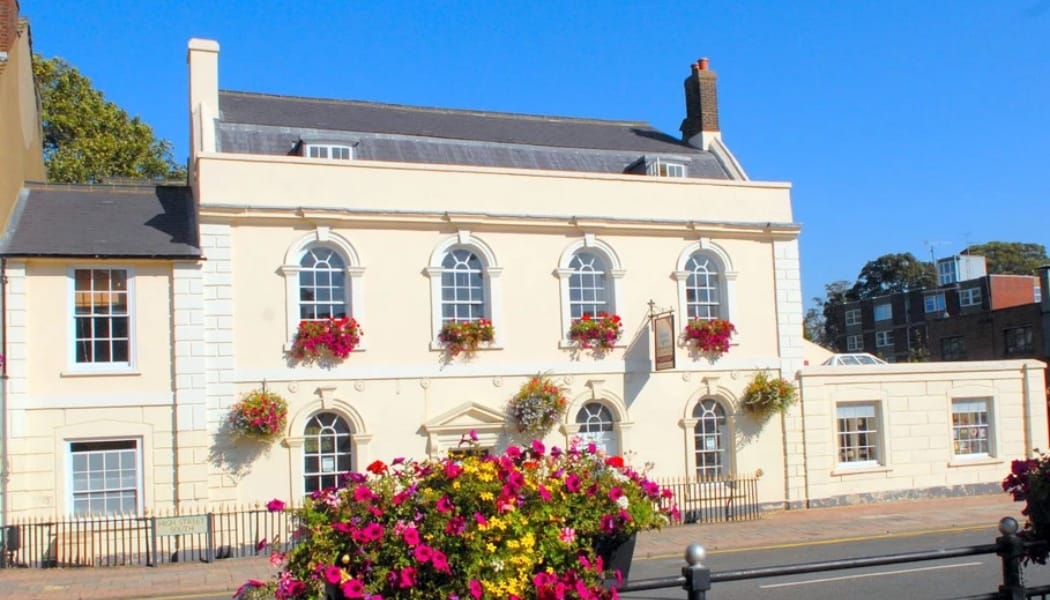
Conservation has now uncovered layers dating back to the 13th century, a date range confirmed by radiocarbon dating of organic material found within the building’s vaulted ceiling. Work by HB Archaeology & Conservation Limited has found evidence of the building’s earliest layout, including a doorway that once linked the High Street to the Priory grounds, and the location of a central hearth.
Following the Priory’s dissolution in 1540, Priory House was converted into a home. Now, traces of wall paintings from the 16th and 17th centuries have been discovered in these rooms. The wall paintings and stone conservation expert Dr Andrea Kirkham identified up to five separate decorative schemes on one wall alone, indicating the rooms were redecorated many times.
The wall paintings are considered nationally significant but remain fragile, said Historic England. Conservation work by Claudia Fiocchetti has taken place to protect them before areas of the building are covered again.
Small marks on the first-floor fireplaces, including compass-drawn circles and a taper burn, suggest residents carried out protective rituals to safeguard their home, Historic England said.
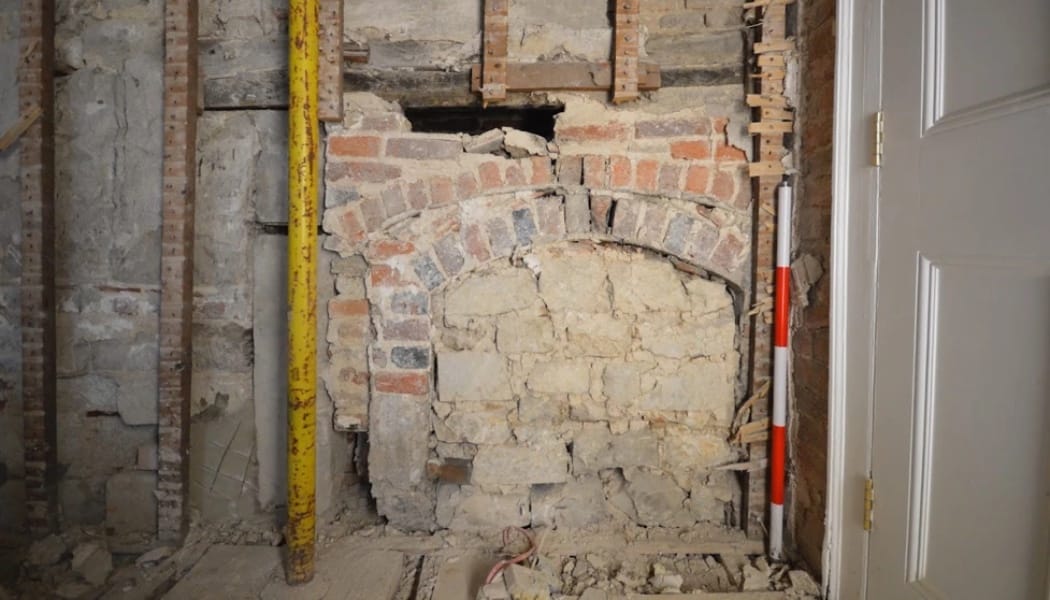
Later discoveries include late 18th-century wallpaper and fabric wall coverings, and fragments of straw plaiting providing evidence of the building’s use as a straw-hat factory in the 19th century.
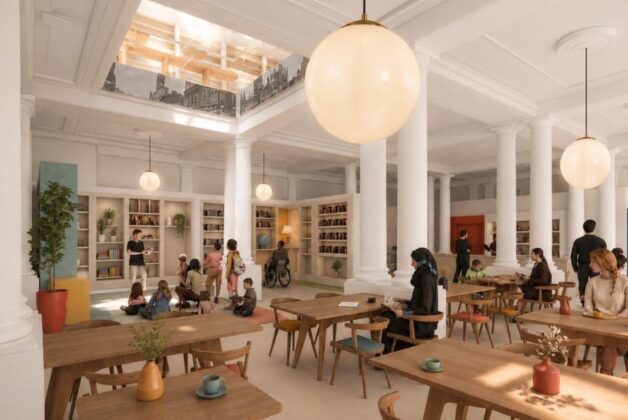
These new findings will now inform how the story of Priory House and Dunstable is shared with the public when the building reopens to visitors early next year.
Tony Calladine, East of England Regional Director at Historic England, said: “This isn’t just about restoring bricks and mortar. It’s about giving this community back a piece of its own history, one that’s even richer and more surprising than we imagined.”