Alistair Hardaker
Valuation would place the tapestry at the extreme upper end of UK museum loans for a single object.
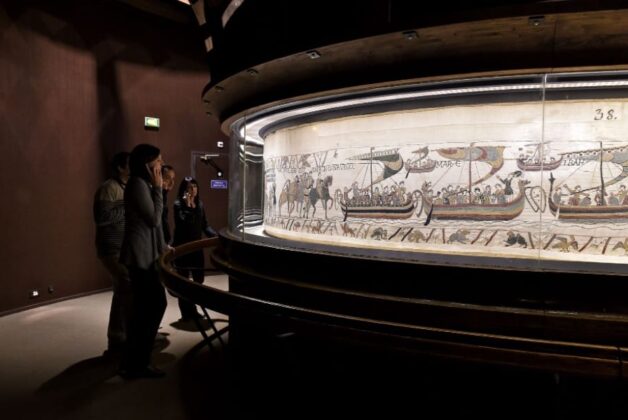
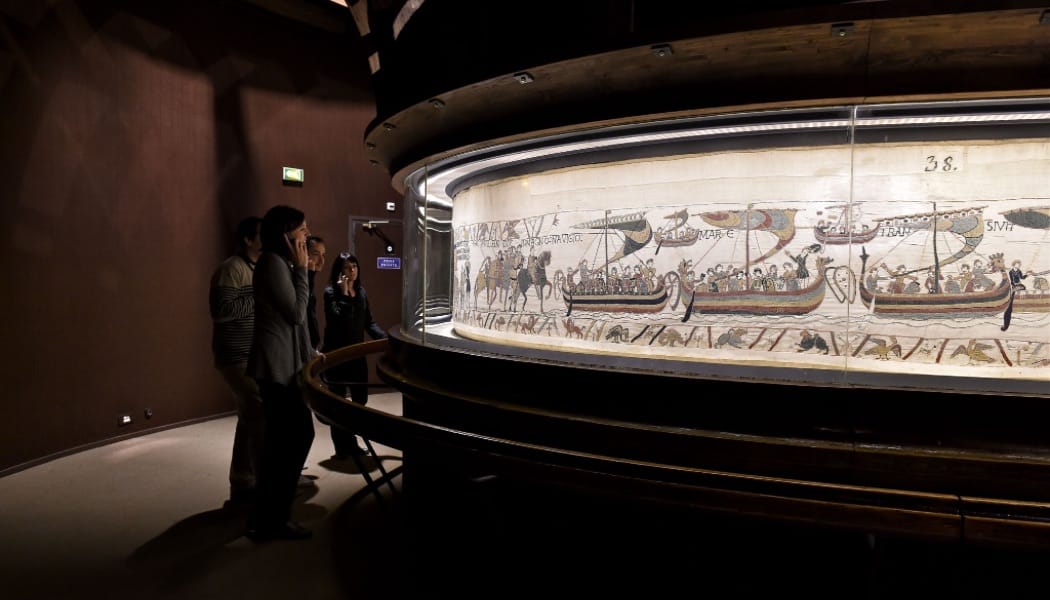
The Bayeux Tapestry is to be insured against damage for an estimated £800m as it is loaned to the British Museum later this year.
The tapestry, which France began putting into storage last September, will be covered during its transit, its time in storage and while on display by the Government Indemnity Scheme (GIS). A final valuation is expected to be confirmed nearer the loan date.
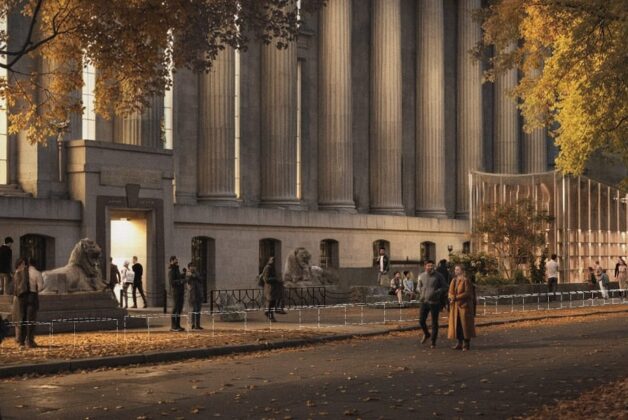
The tapestry will be displayed at the British Museum from September 2026 until July 2027 as part of an international cultural exchange that includes UK loans to France.
The GIS allows high-value works to be shown publicly in the UK without commercial insurance, saving galleries and museums substantial premiums compared to private coverage.
At around £800m, the Government Indemnity Scheme valuation for the Bayeux Tapestry would put it at the extreme upper end of UK museum loans, particularly because it applies to a single object rather than a group of works.
By comparison, exhibitions such as the National Gallery’s 2023 ‘After Impressionism’ has attracted aggregate GIS cover running into the low billions, while even the most valuable individual paintings typically insured under the scheme are usually valued in the tens or low hundreds of millions rather than close to a billion.
An HM Treasury spokesperson said the Government Indemnity Scheme is a “long-standing scheme that allows museums and galleries to borrow high-value works for major exhibitions, increasing visitor numbers and providing public benefits.”
“Without this cover, public museums and galleries would face a substantial commercial insurance premium, which would be significantly less cost-effective.”
The scheme is estimated to save museums and galleries around £81m a year when compared to the cost of taking out commercial insurance.
In exchange for the loan of the Bayeux Tapestry, the British Museum will send several items to France. These items include the 7th Century Anglo-Saxon artefacts from the Sutton Hoo burial site in Suffolk and the 12th Century Lewis chess pieces.