Absolute Museum & Gallery Products explains how eye tracking research reveals visitors read labels and context significantly enhances artwork interpretation.
“Effective signage bridges the gap between artworks and audiences, improving accessibility, engagement, and navigation.”
Signage is one of the most powerful tools in a museum or gallery. From detailed interpretive labels to directional wayfinding systems, well-designed signage can inspire curiosity, tell stories, and create a seamless, inclusive environment for all visitors. When executed thoughtfully, it transforms a collection from a series of objects into a rich, meaningful experience.
Why Labels Matter
A 2022 study, Looking to Read: How Visitors Use Exhibit Labels in the Art Museum (University of Vienna), explored how visitors interact with interpretive signage. Using eye tracking, mapping, and questionnaires, researchers examined visitor behaviour before and after installing interpretive labels.
Contrary to outdated assumptions, visitors do read labels — and contextual information significantly enhances their understanding and enjoyment of exhibits. Labels help visitors answer the questions: What am I looking at? Who made it? Why does it matter?
“Providing contextual information significantly enhanced and diversified visitors’ interpretations of artworks.”
— Reitstätter, Galter & Bakondi
Signage not only informs but also encourages reflection, emotional engagement, and deeper connections between visitors and the exhibits they encounter.
Storytelling Through Signage
Exhibition signage is a medium for storytelling. Beyond basic facts like title, date, or artist, labels can provide narratives that reveal an artwork’s cultural, historical, or scientific significance.
Large-format labels, such as Reader Rails, can offer rich, linear storytelling. For instance, the Pearl Harbor Aviation Museum uses extended Reader Rails to guide visitors through aircraft histories, connecting objects with context and narrative. Similarly, antiquities from an ancient civilisation might be accompanied by signage explaining cultural practices, daily life, or belief systems — helping visitors grasp complex ideas more easily.
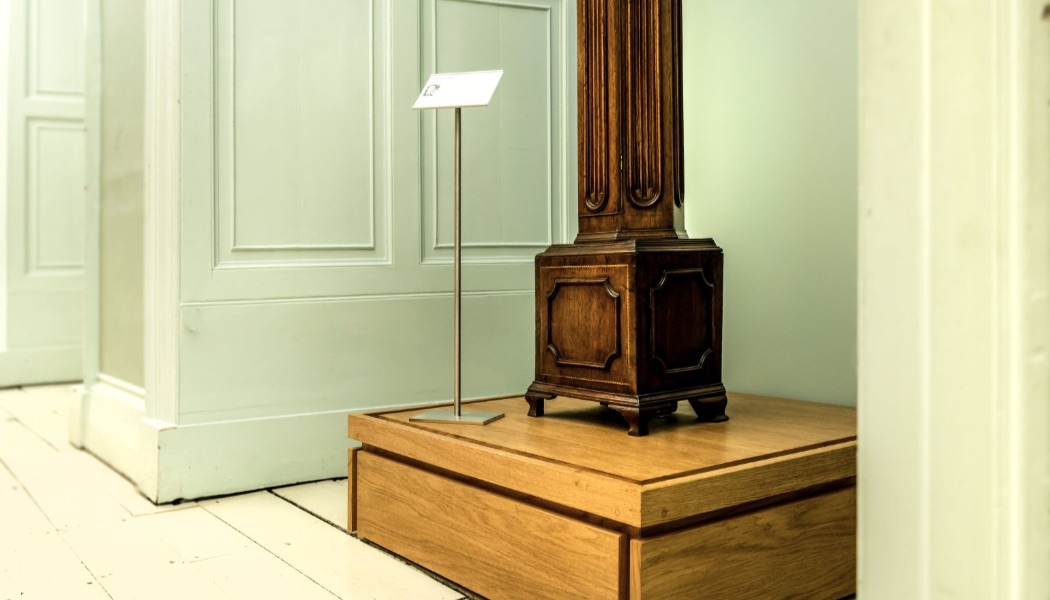
Smaller, portable labels (e.g., Pinnacle or Freestanding Label Holders) also play a key role in storytelling. Placed unobtrusively next to specific objects, they provide context without overwhelming visitors, creating a smooth, informative flow throughout an exhibition.

Balancing Engagement and Clarity
Curators face the challenge of providing enough detail to enrich visitor understanding while avoiding information overload. Effective signage uses:
- Clear, legible typefaces
- Thoughtful spacing and hierarchy
- High-quality visuals to complement text
This ensures signage is accessible, readable, and enjoyable, enhancing visitor engagement rather than distracting from the objects themselves.
Accessibility in Signage
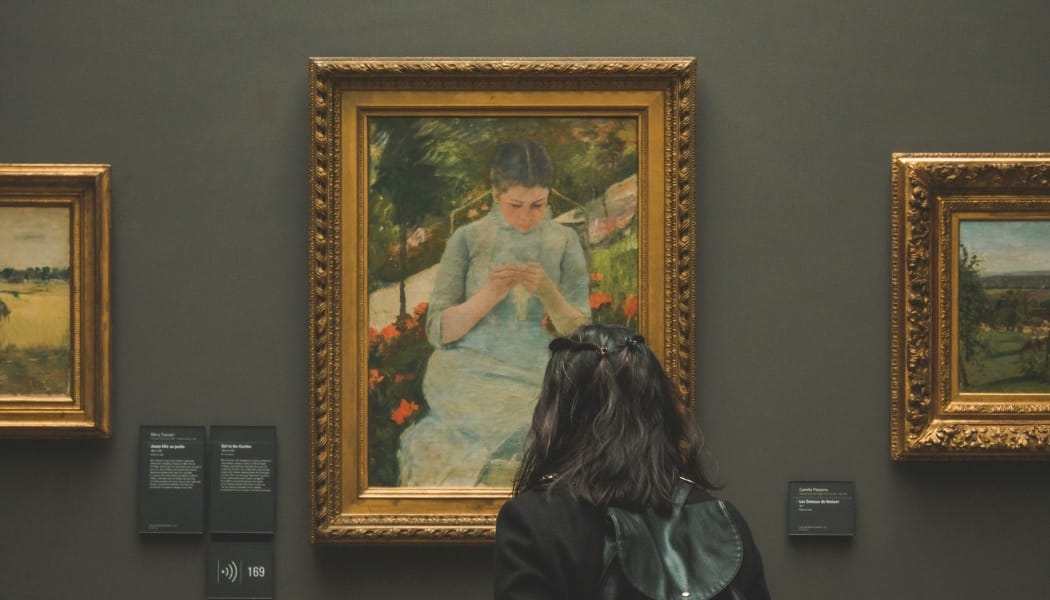
Museums and galleries welcome diverse audiences, including children, visitors with disabilities, and non-native speakers. Thoughtful signage design reduces barriers, making exhibitions accessible to everyone.
Key accessibility considerations include:
- Simplified exhibition language
- High readability through clear typefaces
- Maximum contrast and minimal glare
- Optimal label placement for visibility at multiple heights
Products like the Pinnacle Label Holder cater to diverse audiences with adjustable heights and multiple label sizes. Low-reflect options reduce glare, improving readability for all visitors.
Materials also matter: acrylic covers, suitable fonts, contrast, and spacing enhance legibility, while symbols or images can assist those with limited literacy or unfamiliarity with the exhibit’s language.
“Thoughtful signage and labelling design helps break down barriers, whether physical, linguistic, or cognitive, making exhibits accessible to a broader audience.”
Integrating Signage into Exhibit Design
The best signage complements the exhibition, enhancing visitor experience without dominating the space. Placement, materials, and format should blend seamlessly with the gallery environment.
Portable label holders are particularly flexible, suitable for temporary exhibitions or multi-use spaces. Their slim, unobtrusive design provides essential information without detracting from the objects on display. Bespoke colours or powder-coated finishes can further integrate signage into the gallery aesthetic.
Innovative Approaches to Labelling
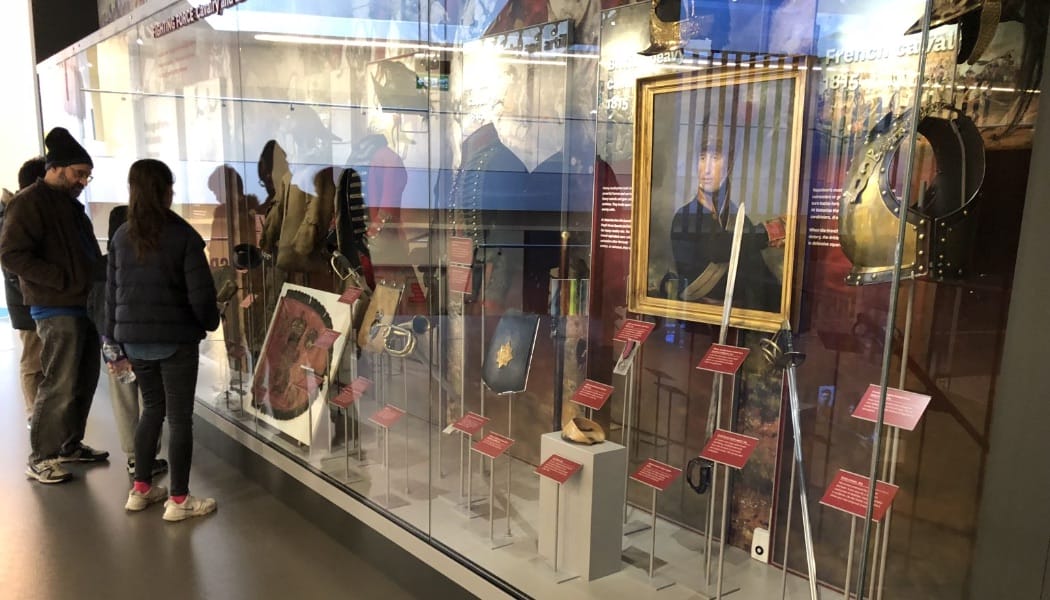
Modern signage can also engage visitors in interactive ways:
- QR Codes: Link to deeper content or allow visitors to record observations.
- Gamification: Include clues or challenges that encourage exploration, particularly useful in family-friendly or thematic exhibitions.
These features extend the experience beyond the gallery, increase engagement, and can encourage repeat visits.
Enhancing Visitor Flow
Signage contributes to smooth visitor movement. Without clear visual guidance, visitors may feel lost, overwhelmed, or disconnected from the exhibits. Well-designed directional signage helps:
- Guide visitors naturally through galleries
- Reduce bottlenecks in high-traffic areas
- Encourage exploration across the entire exhibition
A flexible signage system allows curators to adapt for changing exhibits, ensuring consistent visitor experience across events or reconfigurations.
Conclusion
Thoughtful exhibition signage enriches every aspect of the museum experience. By combining clear interpretive labels, accessible materials, and careful placement, museums can:
- Improve engagement and storytelling
- Support inclusive access for diverse audiences
- Enhance visitor flow and safety
Investing in high-quality signage ensures that visitors leave with meaningful, memorable experiences. When integrated thoughtfully into exhibition design, signage not only informs but also inspires, making the museum visit engaging, accessible, and enjoyable for everyone.