
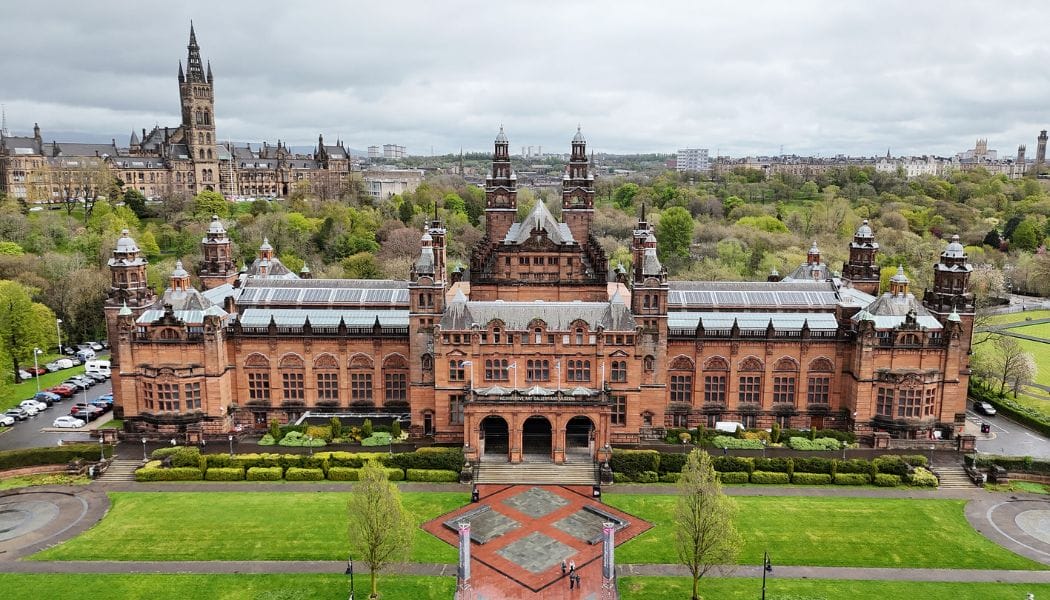
Alistair Hardaker | Image: Kelvingrove Art Gallery and Museum (CC BY-SA 4.0 瑞丽江的河水)
Kelvingrove Art Gallery and Museum’s operator declined to say who made the request, as draft policy proposes displaying human remains only with documented consent
The operator of Kelvingrove Art Gallery and Museum has received a repatriation request for a mummified corpse, after it was taken out of public view.
The request is in regard to the mummified corpse of the priest Nekht, which was taken off display at Kelvingrove Art Gallery and Museum last month.
The museum’s operator Glasgow Life told Advisor it had received a request in the last few days to repatriate the remains to Egypt, but would not say by whom or if the request would be upheld.
The Telegraph reports that Kelvinggrove Art Gallery and Museum intends to return the mummified remains.
However Glasgow Life said specific storage with restricted access has been built to house human remains and other sensitive objects, in the second phase of Glasgow Museums Resource Centre and that is where these remains will eventually be held.
Glasgow Life has said that the removal of human remains from display at its museums “reflects contemporary museum practice”.
It cited The International Council of Museums’ revised Code of Ethics.The code states that [m]useums should uphold the inherent dignity of human remains and promote respect for their significance. Glasgow Life also cites The All-Party Parliamentary Group on Afrikan Reparations 2025 report, ‘Laying Ancestors to Rest’, which raises ethical concerns about the display of ancient Egyptian human remains and the potential wishes of the ancestors and the intention of the communities that originally laid them to rest.
A spokesperson for Glasgow Life said: “We intend to continue to remove human remains from display, as care and conservation for specific items and the whole collection allows. This is likely to take some time.”
Glasgow Life Museums’ draft Human Remains Policy proposes that human remains should only be displayed where there is documented and informed consent from the deceased individual or, in appropriate circumstances, their descendants.
It said in the absence of such consent, ancient Egyptian human remains will be removed from display as to be “more respectful to the deceased individuals.”