Alistair Hardaker | Image: Newark Air Museum
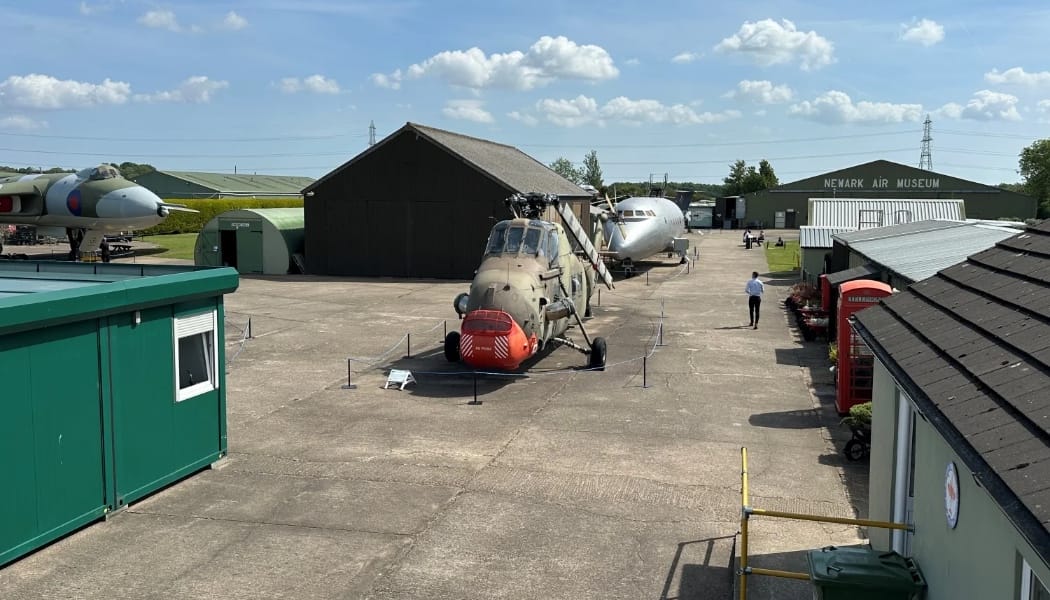
Newark Air Museum completes purchase of its Northfield Site after years of talks, clearing way for ‘Project 2039’ development plans.
Newark Air Museum has completed the purchase of its site from the Newark & Nottinghamshire Agricultural Society, having previously leased the land.
The trustees completed the acquisition on 5 June 2026, following discussions spanning several years that resulted in a land swap and purchase agreement reached earlier this year. The museum had leased its Northfield Site from the society since the late 1970s, and the purchase came as the museum approached the final phase of that lease.
The museum now owns just under 13 acres of land in north-eastern Nottinghamshire. The trustees said the purchase helps to protect the long-term future of its collection of nearly 100 aircraft and cockpit sections, along with its buildings and wider collection of artefacts.
The museum will now begin a phase of development across its land, including new access schemes, car parking areas and further aircraft display areas, undertaken in consultation with the relevant authorities and funding partners. It will formally launch ‘Project 2039’ in the coming weeks and months, including submissions to Newark & Sherwood District Council.
Howard Heeley, museum secretary and trustee, said: He added: ““We would like to place on record our thanks to museum President, Mich Stevenson OBE, who has been a vital conduit during these negotiations. We would also like to thank Simon Eccleston, CEO of the NNAS, and also the trustees of the NNAS for their support whilst working with us throughout this process.”
Heeley also thanked two former museum members who have died. He said: ““The museum trustees would also like to record their heartfelt gratitude to two former museum members, who are sadly no longer with us. Firstly, to a former RAF Winthorpe National Service veteran, John Dove. It was a substantial legacy from his Estate that helped make this a viable project for us to even contemplate. Secondly, to former museum trustee and Vice-President, Mick Clarke. His vision, wise counsel and countless sets of plans made us realise what just might be possible.”