Gold and jewellery are targets of more aggressive, violent museum heists by ‘criminals-for-hire’ warns agency
More aggressive and violent museum thefts could be the result of new criminal networks, warns a new report from Europol, the European Union Agency for Law Enforcement Cooperation.
It warns that museums are being targeted by offenders targeting high-value items such as precious metals, gemstones and culturally significant artefacts. It said the choice of targets suggests strong criminal market demand and ease of illicit resale.
The report, ‘Changing Tactics,Changing Targets: The Evolving Nature Of Museum Heists‘ cites examples such as the 2025 Louvre Museum heist, in which €88m worth of objects were stolen.
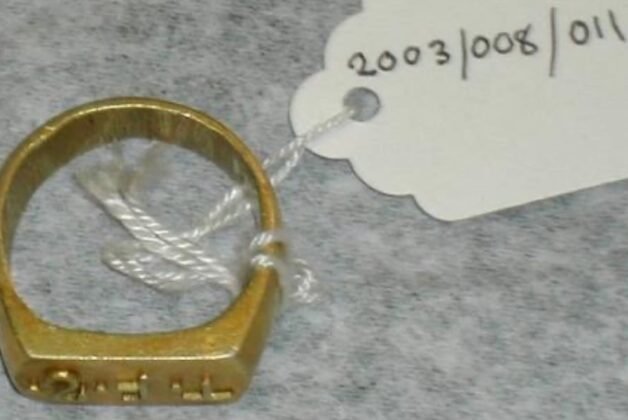
It warns objects made of precious metals, such as gold and silver, and jewellery with precious stones have targets due to their increasing value, it suggested, while ancient Chinese porcelain artefacts are likely targeted by cultural goods traffickers for financial gain.
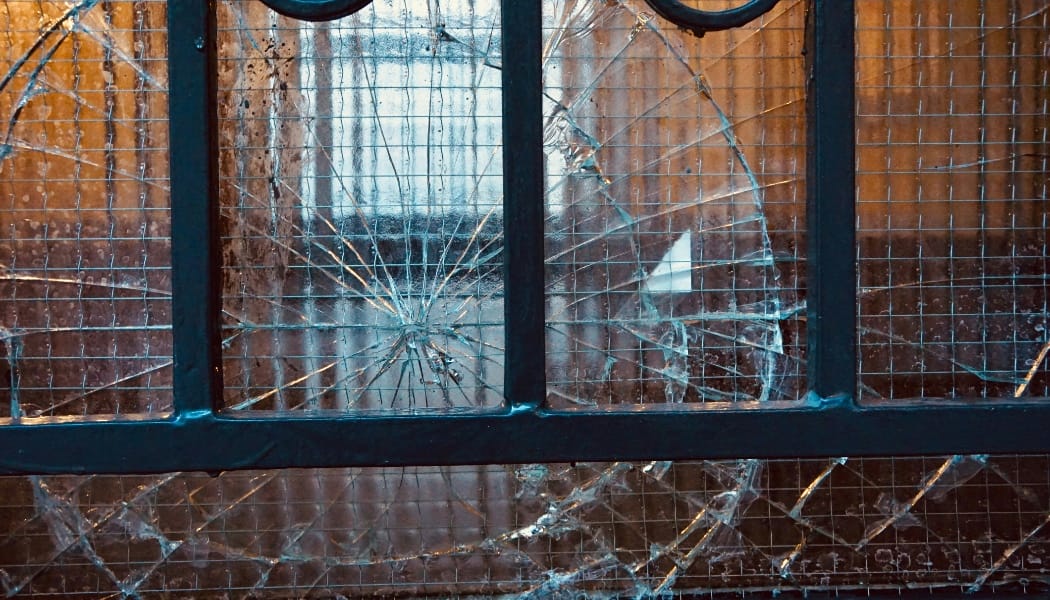
The report warns of more aggressive tactics, in which offenders are breaching premises and display cases using tools such as sledgehammers, axes, crowbars and, in some instances, explosives.
A 2025 attack at Dutch Drents Museum in the Netherlands saw several Dacian archaeological artefacts, including the Golden Helmet of Coțofenești and three Dacian golden bracelets, stolen after thieves gained entry to the museum by detonating explosives at the door.
The report says the shift towards violent and forceful methods may indicate the involvement of new criminal networks.
While traditional museum thefts have included “tightly structured” criminal networks, often relying on stealth and non-violence, a new profile of thief includes those recruited into ‘ad-hoc’ attacks via social media, with more readiness for violence in order to carry out the thefts.
Europol said last November it supported a joint operation with law enforcement from several EU Member States and partners to dismantle a major criminal network trafficking antique gold and silver coins and other antiquities across the EU and beyond.
Operating under a Europol taskforce, the investigation facilitated information sharing, analytical support, and cross-border coordination. This effort linked suspects across multiple countries, aided in locating stolen artefacts, and launched new spin-off investigations.