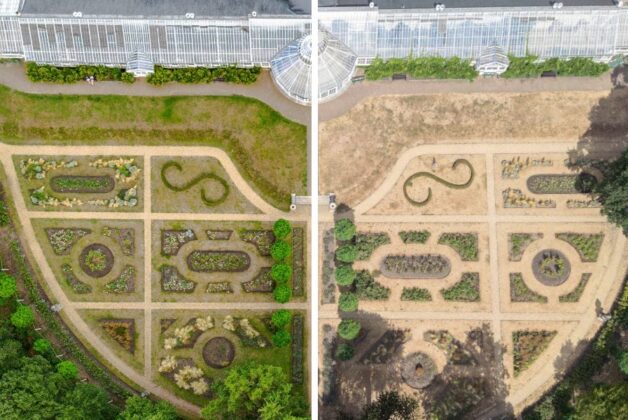
Alistair Hardaker | Image: Palm House (Jeff Eden)
The reduction, achieve through a range of energy interventions, is part of efforts to become climate positive by 2030
The Royal Botanic Gardens, Kew has reduced its fossil fuel consumption by more than 20% in one year, as part of efforts to become climate positive by 2030.
It has announced that its use of fossil fuels is down by 22% and core emissions have fallen by 17% year-on-year, across both its botanic gardens, Kew Gardens in London and Kew Wakehurst in Sussex.
The move is part of efforts to reduce its core carbon footprint by 46% this decade, and balancing remaining emissions with h carbon sinks.
Since 2019/20, its overall reduction in fossil fuel consumption is now down by 36%, and its core carbon emissions are down 31%.
The reductions are the result of several decarbonisation projects delivered by Kew’s in house Capital Projects Team.
Projects include a decarbonised heating system for its Victorian glasshouse, the Temperate House, avoiding gas use by installing air source heat pumps.
Onsite fleet vehicles and equipment have been upgraded to electric versions, leading to a 40% reduction in horticultural fuel use across Kew Gardens and Wakehurst.
Significant decarbonisation has taken place at Wakehurst, replacing the oil boilers that heated the Elizabethan Mansion and surrounding buildings with electric heat pumps.
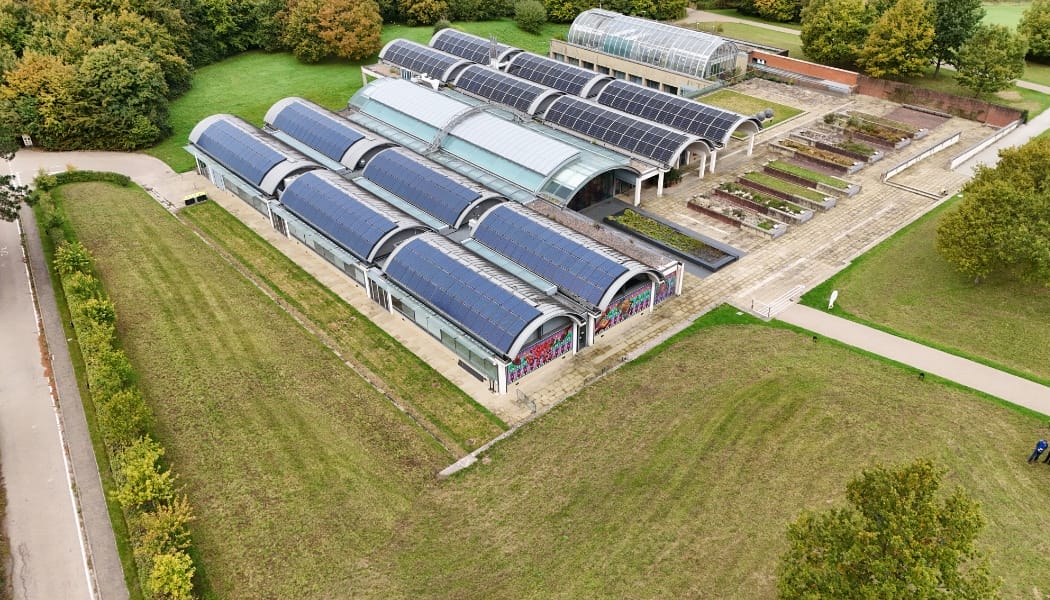
Roof-mounted solar panels have been installed on Kew’s Millennium Seed Bank at Wakehurst, generating 20% of the building’s total electricity usage, and 8% of the total site’s usage.
New buildings have been built to sustainable standards with low carbon heating from electric air source heat pumps, including Kew’s Arboretum HQ and the Family Kitchen & Shop.
A decarbonisation project has replaced fossil fuel powered heating systems for the Jodrell laboratory, Melon Yard, and Nash conservatory at Kew Gardens with electric heat pumps.
Rachel Purdon, head of sustainability at RBG Kew said: “It is fantastic to see what happens when climate ambition is matched by action.
“As the climate and extinction crises continue to threaten our world, we have a responsibility not only to advance world-leading science, but to demonstrate how organisations can reduce their environmental impact while helping to protect and restore nature for future generations.”
Kew said it is enhancing its sustainable procurement processes and seeking to work with suppliers to identify opportunities to reduce emissions through our supply chains.
It is now seeking support from existing and new funding partners to deliver further progress towards its sustainability goals.