Nick Booth
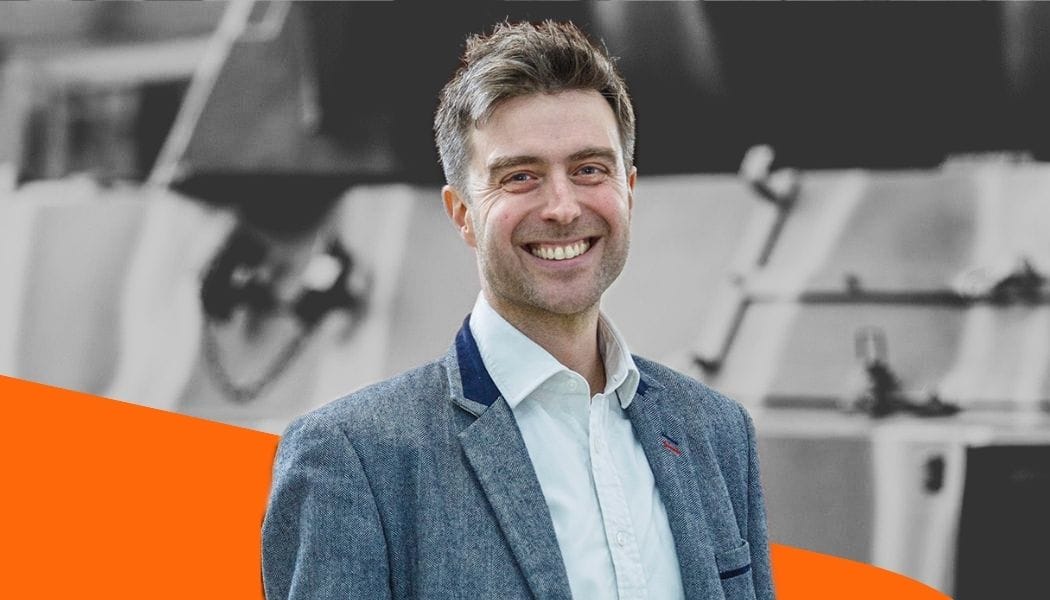
In February 2025 The Tank Museum announced its first director of curatorial services. Nick Booth reflects on the first year in the role.
When I was asked to write a piece covering my first year at The Tank Museum, I must admit it was slightly daunting. I’m not 100% convinced I can navigate my way through all the galleries on site yet, so would I really have anything worthwhile to share about my first 12 months at The Tank Museum?
During my interview for the Museum, I shared my belief that the biggest risk to a museum collection is not being used. In museums, we spend a great deal of time caring for these collections, and sometimes we can fall into the trap of not using them because of concerns about worse case scenarios. It’s led to a trope in some organisations that “Curator says ‘no’”. While these concerns are valid, there are usually ways to mitigate risk. The approach that I want to see in the organisations I work for is never a “no that’s not possible” but rather “yes, and this is what we need to achieve it”.
My role was newly created because of a reorganisation by the CEO, who had joined the Museum the year before. When he started, he identified a need to invest in the Curatorial side of the organisation. Before I accepted the position (which involved relocating with my family from the West Midlands), we spoke at length about his plans – they are ambitious, and I was very keen to be part of it.
I have an amazing job. It’s one of those roles that when someone asks what I do for a living, it’s rare that it doesn’t get some kind of excited response – often that person will share a memory they have of visiting in the past, or a piece of family history of a relative who served in the Army. I had no idea so many people I know have a secret interest in tanks.
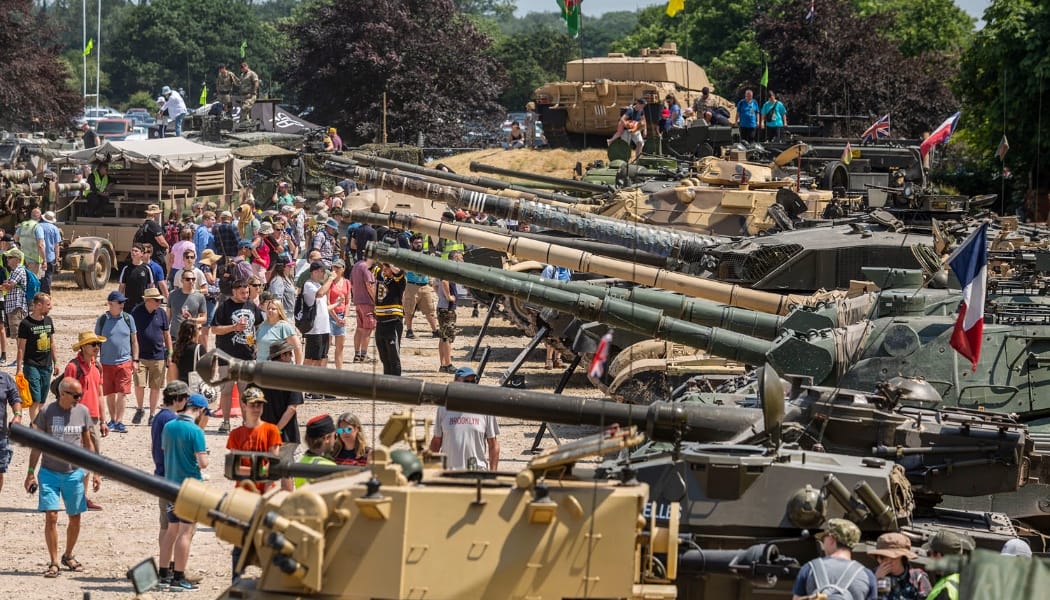
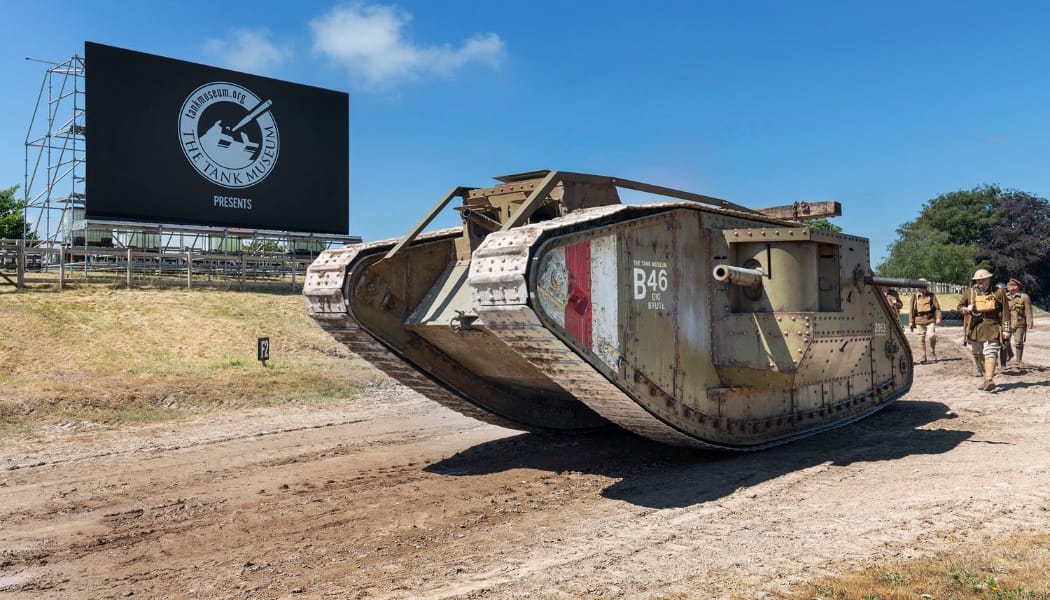
I oversee a department that includes the following teams – Archive & Object Collections, Vehicle Collections, Workshops, Vehicle Operations, Research, and Exhibitions. I know it’s a bit of a cliché but my work day is extremely varied – I can go from a meeting about our in-house publication schedule, to a planning session for one of our major events – Tiger Day or TANKFEST – then join our half term ‘Tanks in Action’ show, where I get to throw smoke bombs and shoot off pyrotechnics as part of a mock battle…and there aren’t many jobs (outside of the Army) where you can legitimately spend time riding in a tank. The Museum also runs a ‘day in the life’ programme, where staff from different departments get to spend the day with another team to get a better insight into their work, which I have found to be very useful.
Starting out at The Tank Museum, the subject was new to me. I have experience with a range of collections – from archaeology and art, through to maritime and pathology collections. However, the Army, and in particular tanks and armoured vehicles, was not one that I had worked with before.
A few days into the role I was talking with The Tank Museum Chair, Sir Bill Rollo, about the subject and he pointed out that while the tank maybe an instrument of war, the idea of it came from the stalemate of the trenches from the First World War, where a solution was desperately needed to save the lives of the young men attempting to cross No Man’s Land. This gave me a different perspective of the subject. I’ve been really struck by how every country approaches what a tank is differently – not just how they are designed around the armoured triangle of manoeuvrability, armour and firepower – but also the engineering innovations and even down to the way their crews are kitted out. Famously the British introduced a kettle that crews could use to make tea while still in their vehicle, which was apparently the envy of our allies during the First Gulf War. I was tickled recently to discover that a newly acquired Leopard tank from the Australia army included a fridge.
Despite having done my research before I started, nothing could prepare me for the passion of our audience – ‘Tank Nuts’ as they are referred to (which is also what the dedicated section on our website is called). Thanks to our incredible online presence – our main YouTube channel has 1.35 million subscribers – The Tank Museum has a worldwide following, many of whom not only watch our films and come to our events but also play online games such as World of Tanks that makes use of vehicles in the collection. This means a lot of them know the collection incredibly well. The passion of our audience really hit home for me when a visitor politely interrupted a conversation I was having with one of our Historians to ask if I could take a photo of them together (this has now happened four times, I’ve been counting).
One of the most visible changes I’ve brought in since starting (visible internally at least) is to update a few job titles and team names – for example the Research Team all now have ‘Historian’ included in their title...
In my experience it is the staff who really make a museum successful, and I feel I need to not only thank my colleagues for making me feel welcome, but also to praise them for their dedication, knowledge and willingness to go the extra mile for our visitors. Nothing sums this up better for me than our TANKEST weekend, when we welcome 26,000 visitors on site over three days, with staff working long hours, and yet we still deliver an excellent experience for our guests, whether it’s first thing Friday morning or last thing on Sunday.
One of the most visible changes I’ve brought in since starting (visible internally at least) is to update a few job titles and team names – for example the Research Team all now have ‘Historian’ included in their title, and the ‘Supporting Collections’ are now ‘Objects Collections’. I have developed a reputation with our Trustees for enjoying changing names… however this has always been done with an aim in mind. We now use the Historian title to reflect the fact that the team are increasingly public facing – the family audiences to our ‘Tanks in Action’ show might not know what a ‘Research Co-ordinator’ does, but they will likely have understanding of the job of a ‘Historian’. ‘Supporting Collections’ gave the impression that our 3D collection was, in some way, subservient to our vehicle collection – it isn’t. It’s all part of our Designated Collection, and I wanted to show that publicly.
Things aren’t all rosy, however, and like many within the museum sector (and wider society) The Tank Museum is facing a number of challenges, not least what seems to be an almost constant cost of living issue. However, the military museum sector does have a few quite specific challenges.
Many of army museums across the country – and there are over 150 of them – do not receive direct support from the military. The regiments, or other units that they were founded to tell their story of, no longer exist, and there are increasingly few veterans left who served in it. Most of these institutions are very small with a handful of paid staff, or entirely volunteer run, and from talking to others at conferences I know many are facing a bleak future. This would be a loss to our sector.
Military museums can offer a lot for our audiences today. At a recent conference at the National Army Museum, an attendee pointed out that the Army is the antithesis of the manosphere and its adherents like Andrew Tate – it is about service, respect, courage, selfless commitment and male and female soldiers serving together equally.
As I said at the start, my belief is that the greatest risk to a collection is not being used, and I am privileged to work with knowledgeable and dedicated people who ensure that The Tank Museum continues to make excellent use of its collections in such memorable, fun, and interesting ways.