CME Jewellery explains how sterling silver’s infinite recyclability and collectible motif designs drive repeat purchases.
The museum and heritage retail landscape is changing. Gone are the days of buying generic souvenirs – now, visitors’ baskets are filled with story-led products that highlight certain themes and motifs. Shopping itself has become an extension of the museum experience, so organisations have refined their product ranges to better reflect their core themes and exhibitions, allowing customers to choose from a much more curated, meaningful selection. Visitors are also increasingly eco-conscious, meaning heritage gift shops must be filled with a wider range of sustainable, high-quality products that suit their ethical lifestyles.
So, make way for CME Leicester’s favourite precious metal, sterling silver: the material that museums can trust. It offers a unique combination of quality, practicality and value that makes it especially well-suited to this industry. Its durability ensures each piece becomes a long-lasting keepsake, reinforcing the strong emotional connection a visitor has with an exhibition or historic site. Most importantly, customers recognise sterling silver as a premium material, but the affordable price point makes it ideal for impulse purchases and gift-giving.
From a commercial perspective, these qualities translate into significant retail advantages. The higher perceived value naturally encourages increased basket spend, as visitors see it as a premium purchase rather than a low-end souvenir. Its giftable appeal also increases opportunities for add-ons and seasonal peaks, especially when selling motif designs which are collectible, repeat-purchase items – customers will often return to complete a set or buy multiple designs connected to their favourite exhibition or museum theme. By offering high-quality sterling silver jewellery, museums can really elevate the overall perception of their gift shop and can position it as an extension of the institution’s commitment to quality, culture and craftsmanship. In this way, it not only performs well commercially but also reinforces the museum’s brand identity through thoughtful, well-made and well-curated products.
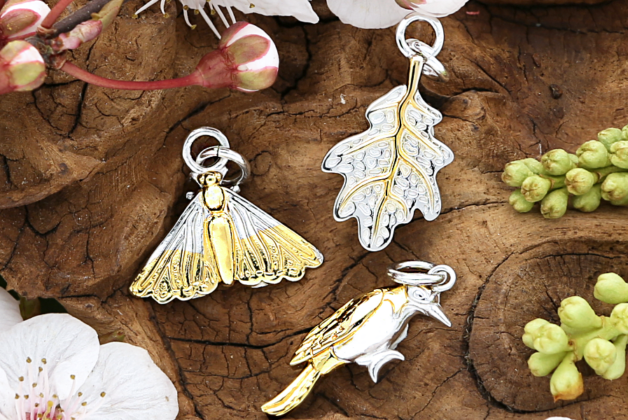
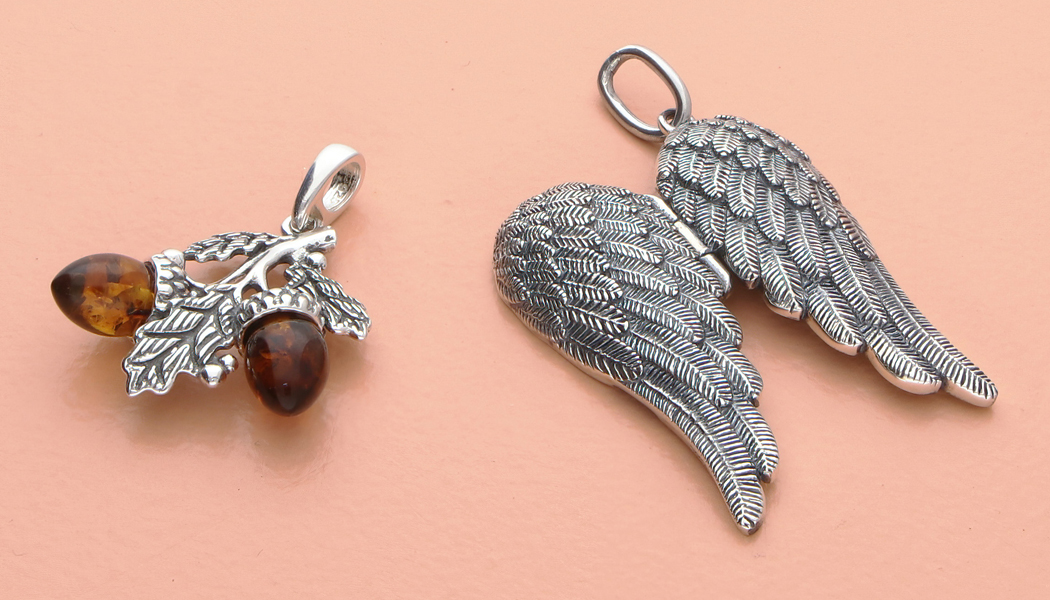
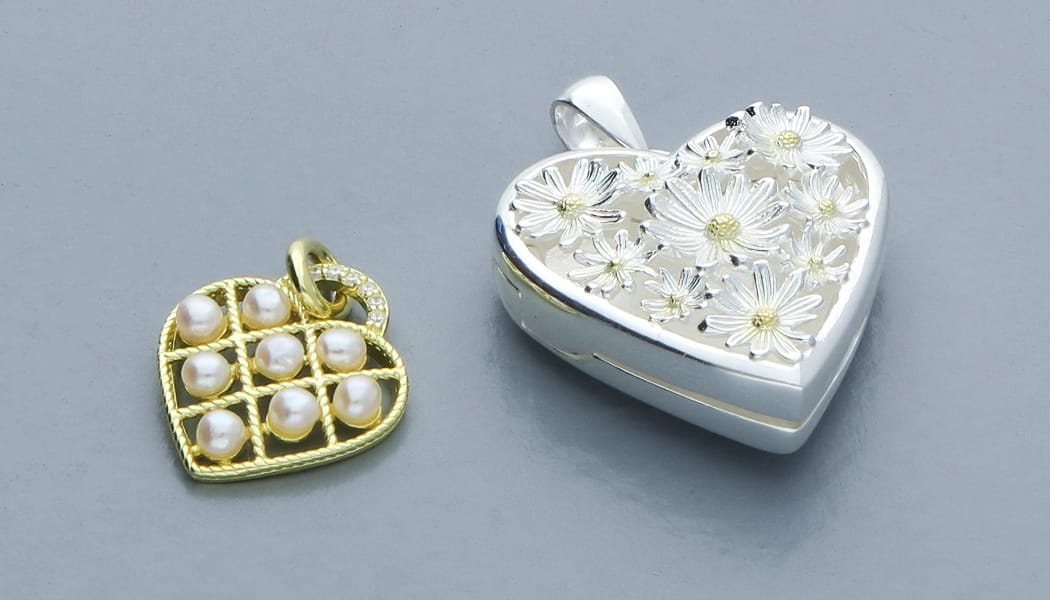
Motif jewellery is a powerful way for museums to create emotional and thematic connections with their visitors, and certain silver designs consistently perform well across the heritage sector. Butterfly motifs, for example, resonate strongly with natural history collections, symbolising transformation and the beauty of the natural world. Amber pieces offer an immediate link to geology, archaeology and prehistoric themes, making them ideal for venues that explore earth history or ancient civilisations. Horse designs are a favourite among equestrian centres, stately homes and venues with links to rural heritage, tapping into Britain’s long-standing relationship with countryside culture. Floral motifs, meanwhile, are beautifully versatile and universally appealing, aligning with art galleries, botanical gardens and historic estates alike. Together, these designs allow museums to curate ranges that feel authentic, relevant and closely tied to the stories they tell, helping visitors take home a piece of that narrative in a wearable form.
As a non-ferrous metal, sterling silver is also an ideal for eco-conscious businesses, given that it can be sold on, recycled and reused infinitely as it doesn’t lose any purity or quality during the refining process. Not only does this save your revenue, but it saves the planet, too. A metal without limits is a metal without waste.
From a retail perspective, it is also incredibly easy to care for. With strong tarnish resistance and straightforward cleaning, it is practical for both gift shop teams and end customers.
Beyond material quality, sterling silver lends itself beautifully to limited editions, exhibition tie-ins and commemorative collections. With the design resources and motif expertise available at CME Leicester, museums can create meaningful, story-driven pieces that are bespoke to their venue – enhancing both visitor engagement and retail performance. A beautifully crafted silver item becomes more than a purchase; it becomes a permanent reminder of the experience.
Ultimately, sterling silver represents a long-term investment for museums and heritage retailers, offering advantages that extend far beyond the point of sale. Its durability ensures each piece becomes a lasting memento, strengthening the visitor’s connection to the museum’s stories, collections and cultural mission. As a material rooted in meaning and tradition, sterling silver aligns seamlessly with the values that underpin the heritage sector, providing visitors with keepsakes that feel authentic and emotionally resonant. With sustainable and responsible sourcing becoming increasingly important, sterling silver also supports museums in meeting their environmental commitments, particularly when supplied through eco-conscious partners like CME Leicester Limited. From a commercial perspective, it is a consistently rewarding category, delivering strong margins, repeat business and lasting customer satisfaction. When combined, these qualities make sterling silver perfectly suited to the storytelling mission of museums and heritage organisations, offering a product range that is thoughtful, sustainable and commercially successful for years to come.