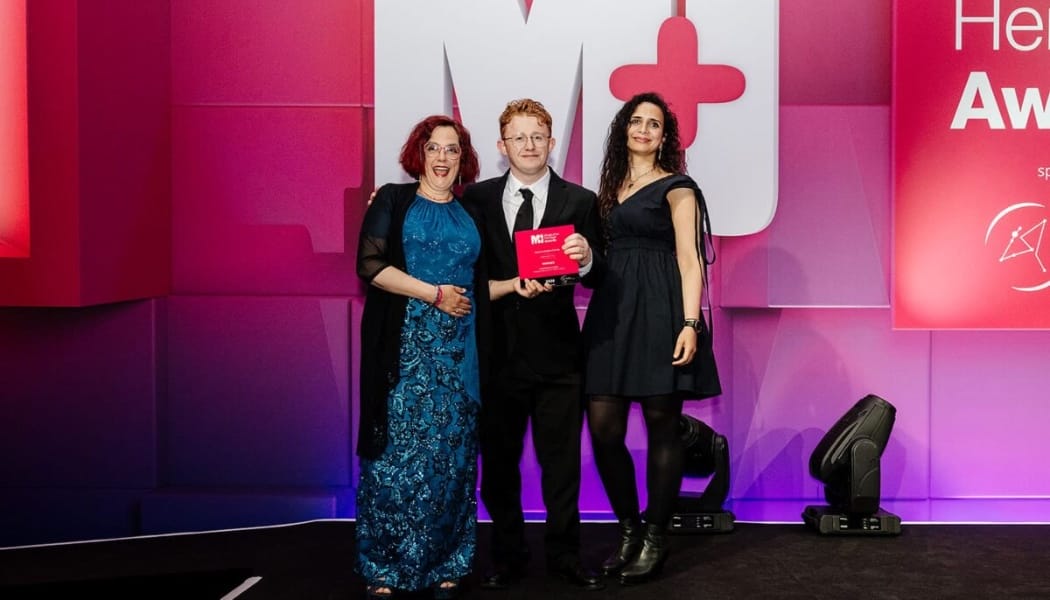
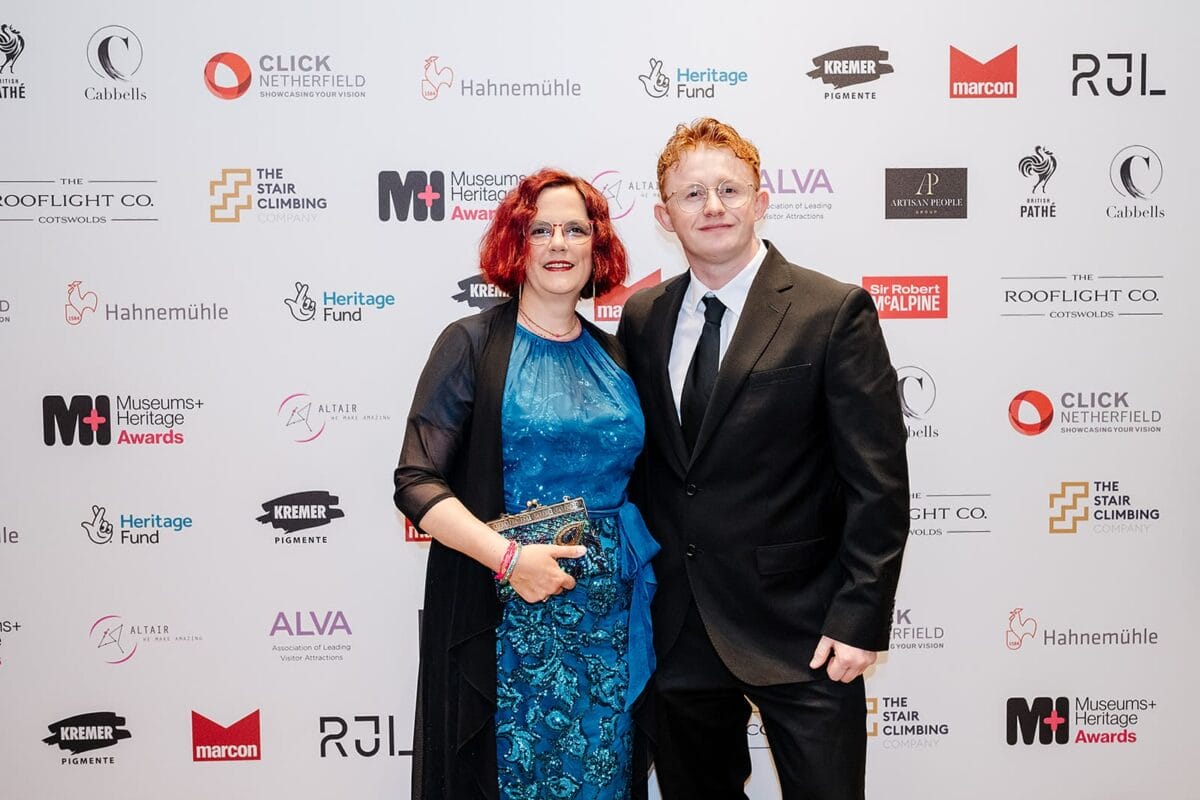
Alistair Hardaker | Image: L-R Zoe Willems and Sheldon Chadwick at the Museums + Heritage Awards 2026
Avoncroft Museum of Historic Buildings’ director Zoe Willems on the first meeting that set the terms, the cultural broker who made it possible, and the swing boats a family thought were lost.
‘Revealing the Hidden Stories of the Showmen Community’, the permanent exhibition at Avoncroft Museum of Historic Buildings, began with a single proposition, one which shaped every decision, and led to its eventual awards win.
At the museum’s first meeting with a group of ‘showmen’, those who live and work within the travelling fairground community, the museum’s collections and interpretation manager Steven Hearn, handed over the reins.
Zoe Willems, the museum’s director, explains: “Steven said ‘right, you tell us what the stories are that we need to be telling.”
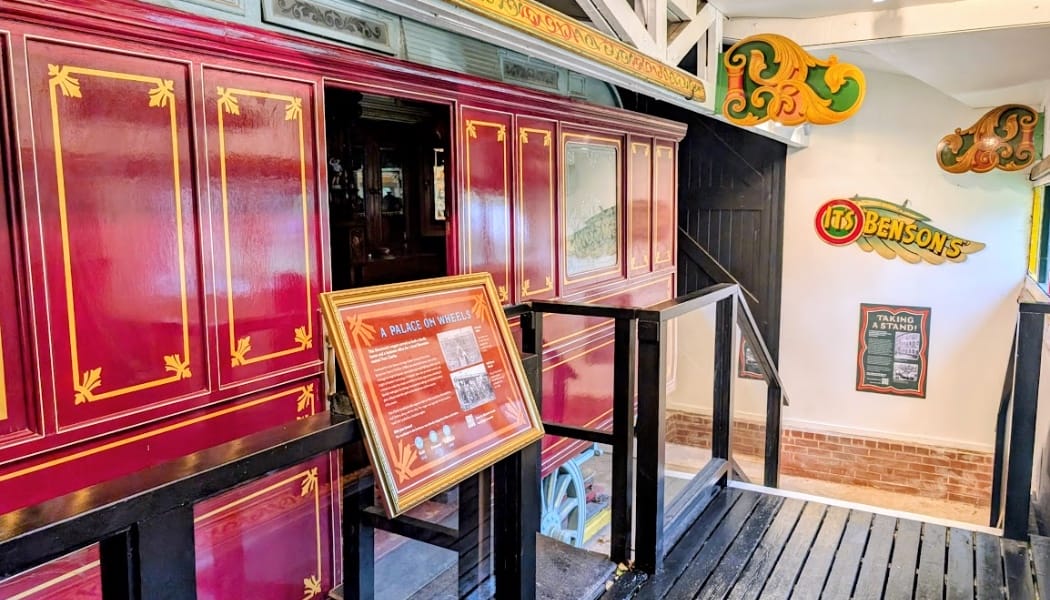
The permanent exhibition was being built around the museum’s 1910 Showman’s living wagon. Originally built for Redditch-based Showman Tom Clarke, the wagon had served as both a family home and a business office for Tom and his family as they travelled through the Midlands with their rides and attractions.
But the community whose story of life and career could be told via this wagon had reasons to keep its distance.
Willems explains, “the community of showmen have experienced a lot of prejudice and discrimination and are understandably a bit cautious about engaging with outsiders”.
“We knew we wanted to be very sensitive about not just whizzing in, sucking out information and then we get all the credit. What happens to the community?”
The museum’s commitment to meaningful co-curation saw it bring in Sheldon Chadwick, a seventh generation Showman, with a PhD at Liverpool John Moores University on the ethnographic study of Showmen and the mental health of the community .
More than that, Willems said, “[Chadwick] has founded the Showmen’s Mental Health Awareness Charity”
Chadwick was commissioned as the museum’s cultural broker, a member of the community who could bring in other members of the community. It was this strategy which led to that first meeting.
Willems said their co-curation proposition was a blank slate. They told Chadwick “We don’t have preconceived ideas about what the topics are that we need to talk about. We want to hear from you. It is genuinely your voices that will be heard.”
“I think that was a major part of engendering trust, but it was also a major part of the authenticity of the actual display that is currently a part of the exhibition.”
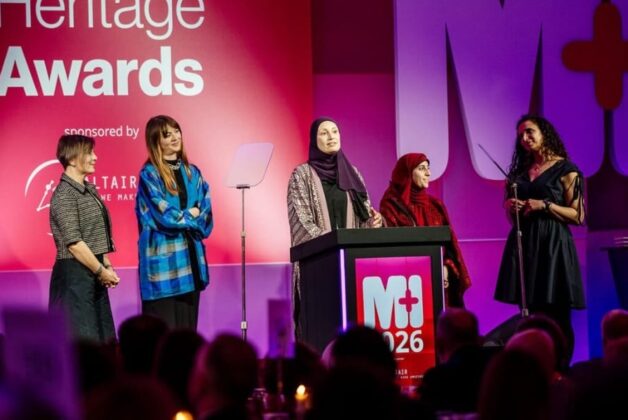
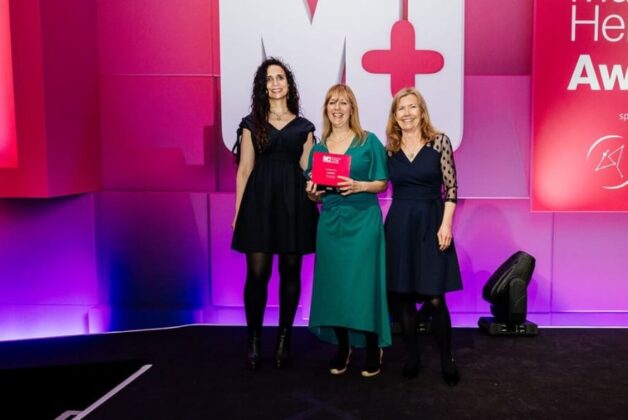
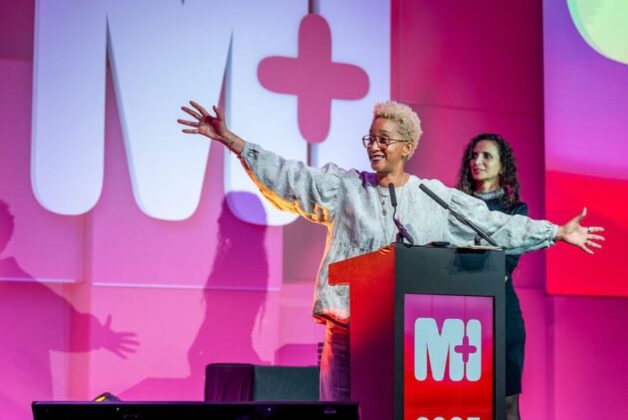
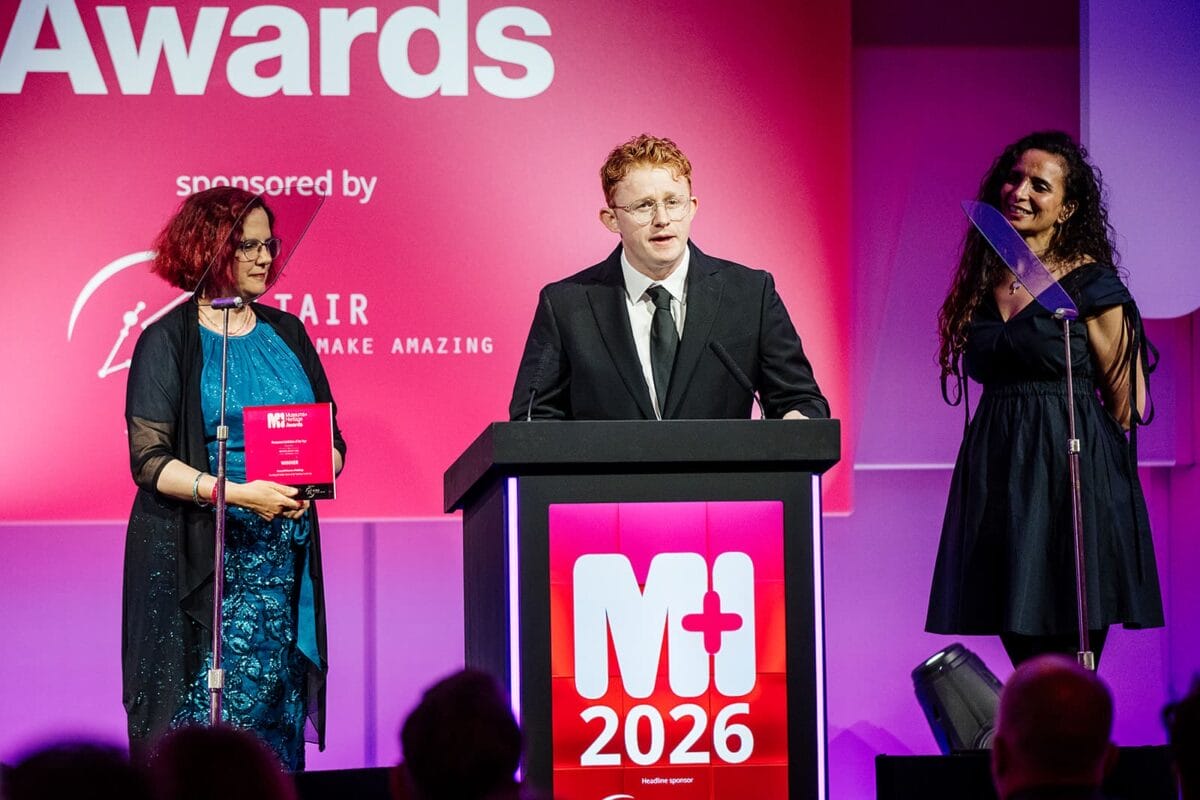
The exhibition would go on to win Permanent Exhibition of the Year at the Museums + Heritage Awards 2026. Willems and Chadwick were present to receive the award.
The judges called the exhibition “a masterclass in authentic, emotionally resonant storytelling”.
Willems said of the comments: “What’s made it so successful is fascinating stories to tell, genuine co-creation and interest in hearing the stories of other people, and being a conduit rather than the direct storyteller.”
Home, when it isn’t a fixed location
The exhibition’s star piece may have been the wagon, but the resulting stories are threaded throughout the displays and explore deeper themes of place and home. Twenty five showmen recorded oral histories, played at random when visitors press a button.
“I think it’s interesting to hear what home means to somebody when it isn’t a fixed location. It’s about the family. And it’s about, funnily enough, it’s about the rides and just how important the individual rides are.”
Norma Wilson, niece of the wagon’s original owner Tom Clarke, was one of the voices recorded. “She just turned 90 last year, I hope she doesn’t mind me saying that, and she was born in the wagon. As you look into the wagon, you hear her voice and her recollections of life on the road.”
An unexpected reunion
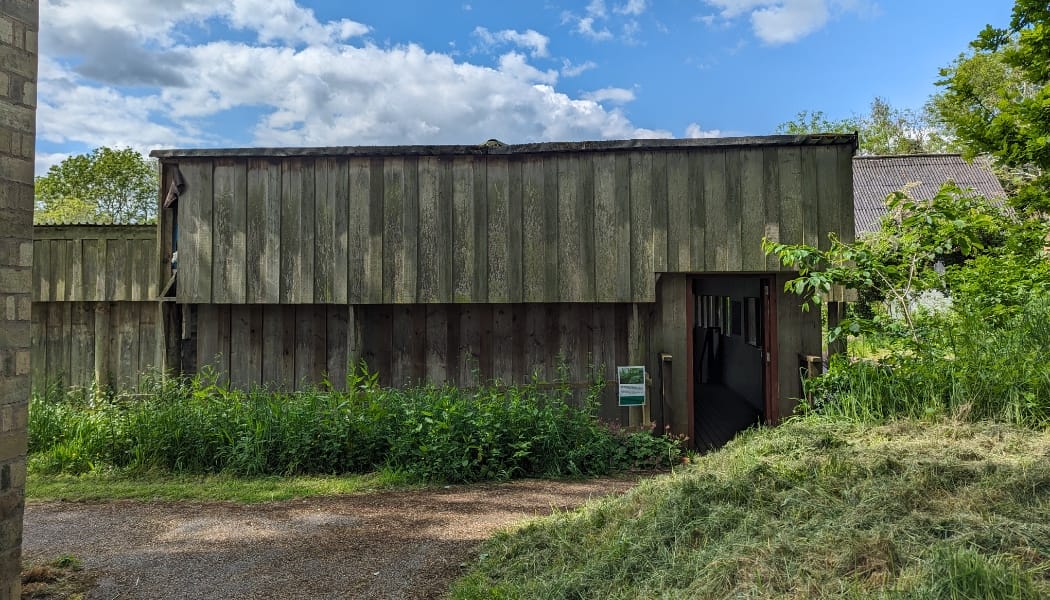
The launch produced a moment nobody at the museum had planned. As part of the exhibition, the museum had tracked down a swing boat ride, originally part of Tom Clarke’s fairground.
“We’d found them at the Dingles Fairground Museum. They were closing and they gave them to us to be displayed alongside the wagon.”
Willems explained that typically, even when rides are sold on, the showmen community tend to keep track of their movements; they know which rides are with which fairground.
But the Wilson and Manders family (Tom Clarke’s descendants) had no idea where the swingboats ride was, until they attended the opening of the exhibition.
“They were incredibly moved on the launch day. They came in and they recognised it. They knew exactly what it was as soon as they saw it. They were really pleased that it had been sort of reunited with the wagon.”
Entries for the Museums + Heritage Awards 2027 open on Monday 2 November 2026 — don’t miss your chance to be recognised among the sector’s best.
Be first in line with entry details, deadlines, and insider tips to strengthen your submission.
All the fun of the fair, in every sense
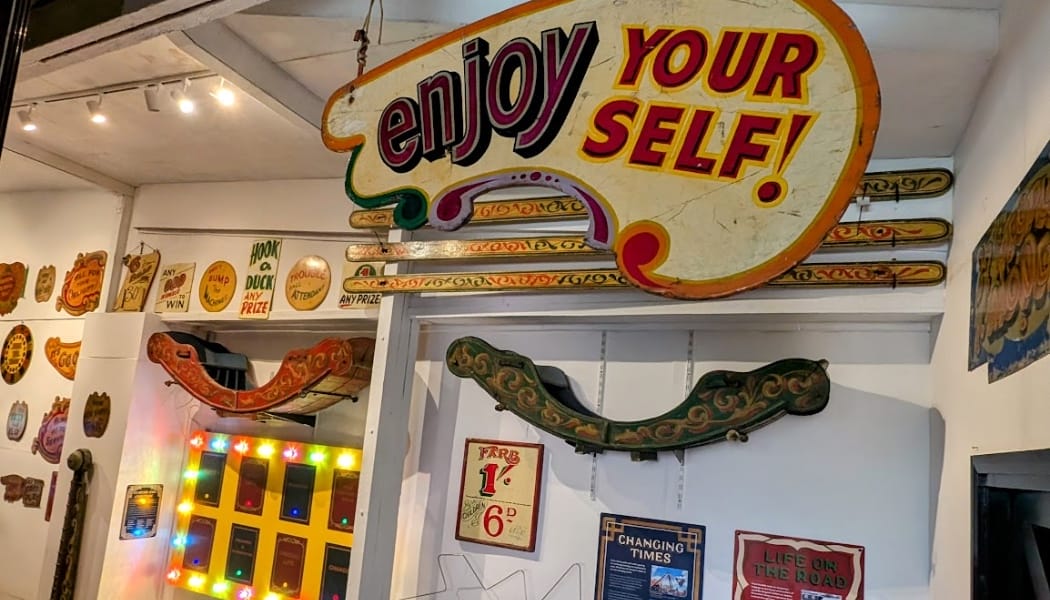
Willems said the exhibition had been designed to reach every sense, recreating the sensory heights of an actual fairground.
Amy Goodwin, one of around ten UK fairground sign writers, painted the entrance sign in the wagon’s livery with a pointing finger inviting visitors in.
Fairground music plays throughout, drawing people in from their arrival at the museum. Inside, visitors encounter light, fairground signs, amusements, and the smell of candy floss as it is pumped into the exhibition.
A young showman family ran a heritage fairground on the ground in front of the building for a period after it opened.
The longer term plan runs through Renew, the cultural compact for north east Worcestershire, and its Arts Council funded place partnership project Sharing Stories, Shaping Futures. The formal, cross-sector partnership is designed to boost the local arts, heritage, and creative sectors.
A strand of this project is called Wagons Roll, which has been directly inspired by the work on the showman’s wagon.
Willems said young people are working with creative partners with a similar blank slate approach, and will be taking a replica of the wagon out and about to all the local carnivals along with their creative interpretation of the stories.
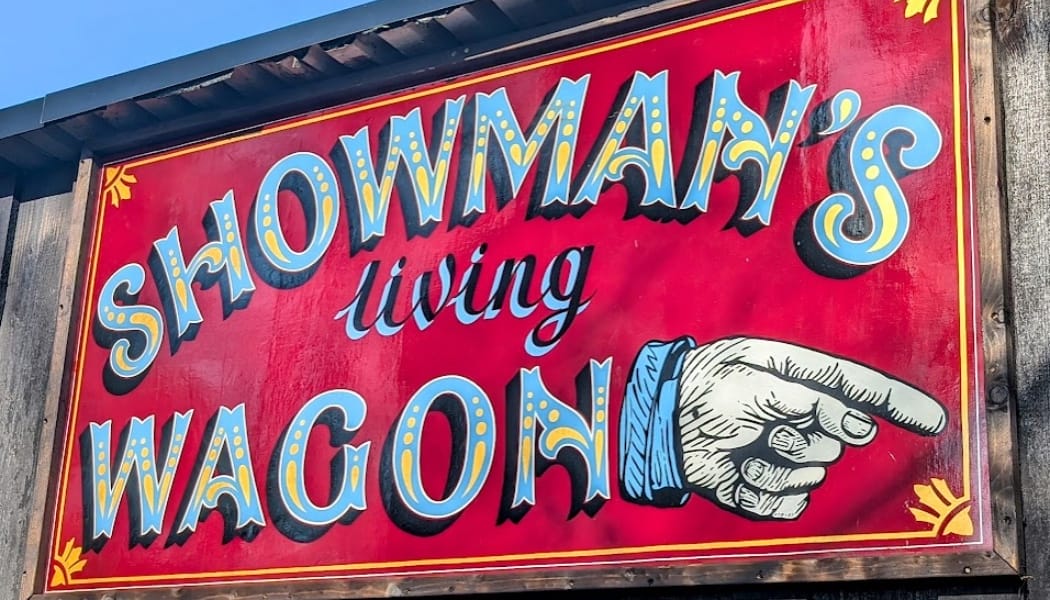
‘David and Goliath’
Avoncroft Museum of Historic Buildings was shortlisted in the Permanent Exhibition category of the Museums + Heritage Awards alongside the Natural History Museum and the Science and Industry Museum.
“As I was heading off down to the award ceremony, we’d already won. Just being in the shortlist with those people, you know, I had absolutely no expectation that we would actually win.”
The judges described the exhibition’s success on a small budget as a “perfect David and Goliath moment”. It was the final category of the night.
Entering the awards at all was for Willems a statement, putting the museum “in the ring to say ‘we are a small museum, we struggle for the day-to-day, but we’re still managing to do excellent little exhibitions on a budget.
“It’s part of our way of life, doing a lot with a little.”
What winning meant
Looking back on the win, Willems said the recognition brings “a real sense of motivation and a sense that this is worthwhile and we are being recognised for all this hard work.”
“We’ve been going for nearly 60 years. We’ve had our ups and downs in that time. But since COVID, it’s a new team and we’re making a really concerted effort to not only look after what we’ve got, but improve on it and tell stories in different ways and be more engaging with the public.”
Willems stood beside Chadwick at the ceremony, equal partners in receiving the recognition.
“I thought it was really important that he was there as our cultural broker”, Willems said.
Willems and the team are planning to repeat their approach, and already have a next community in mind.
“I won’t say there’s a plan yet, there’s an idea. Another marginalised community that we’d really like to engage with is the farming community.”
Avoncroft’s threshing barn already has a projected animation of threshing and a recorded voice from a Leeds University dialect project, and Willems wants the local young farmers to be as integrated into the modern story they are now planning to tell alongside it.
Revealing the Hidden Stories of the Showmen Community is at Avoncroft Museum of Historic Buildings, Bromsgrove. It was funded by an Association of Independent Museums New Stories New Audiences grant. Entries for the next Museums + Heritage Awards open on 1 November 2026.
Entries for the Museums + Heritage Awards 2027 open on Monday 2 November 2026 — don’t miss your chance to be recognised among the sector’s best.
Be first in line with entry details, deadlines, and insider tips to strengthen your submission.