Among the first reintroductions after a policy change is hoped to play a part in flood mitigation
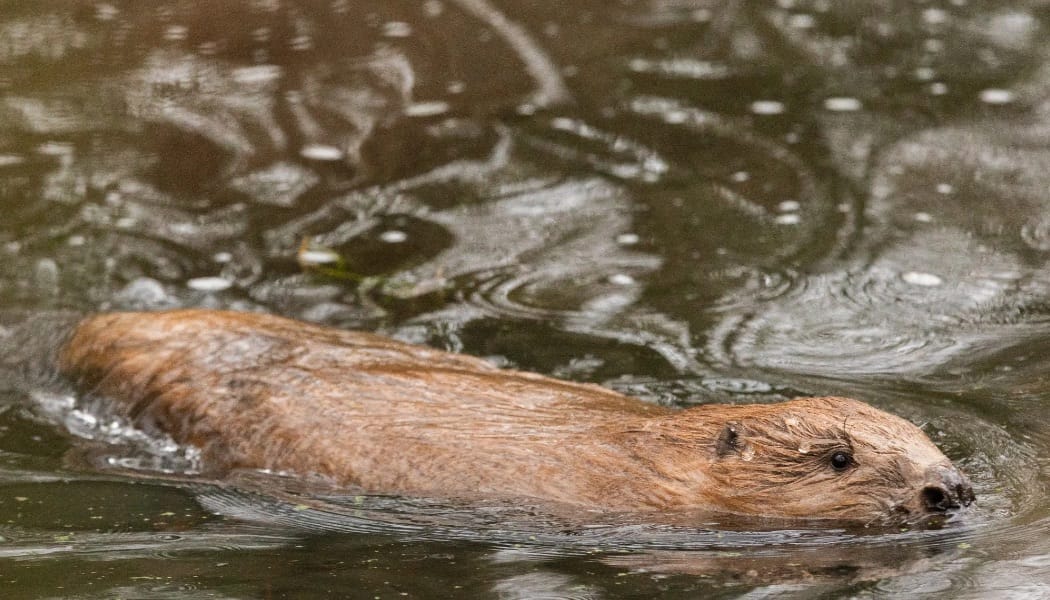
The National Trust has released wild beavers at its Holnicote Estate on Exmoor, marking a significant step in the charity’s landscape-scale nature recovery programme.
The licensed release forms part of a long-term strategy to restore river systems, reduce flood risk and enhance biodiversity across the 12,500-acre Somerset estate.
A wild family and pair of Eurasian beavers have been released at two sites as part of a wider release across the Holnicote Estate on Exmoor in Somerset.
A change in policy, which came into force last year, has allowed for species reintroductions in England.
The first wild release last year took place at the National Trust’s Purbeck Estate in Dorset.
The Trust said other animals will be released over the coming days in areas where they can establish their own territories to engineer wetlands, build dams and shape diverse habitats to benefit other wildlife and communities alike.
Holnicote Estate is already home to more than 300 red deer.
National Trust project manager Ben Eardley said beavers are “extraordinary partners in our work to restore nature at scale”.
“Over the last few years we’ve seen how their dams and wetlands transform the landscape, create habitat and help buffer both floods and drought.
“Across the Estate they will have the opportunity to develop their own territory, enabling them to create wetlands, ponds, build dams, and enrich the landscape in ways only beavers can.
Nature Minister Mary Creagh said the return of beavers is a “vital part of this government’s mission to protect and restore nature and we’re working closely with local communities to maximise their benefits.”
With the south-west of England recently experiencing severe flooding, the Trust said that beavers are “not a quick fix” or replacement for other landscape interventions to hold water, but that their introduction could play a part.
Eardley continues: “Over time we expect beaver dams and wetlands to help slow floodwaters, store water higher in the catchment, and reduce the severity of downstream flood peaks, helping communities become more resilient. This natural resilience can only become more important in a warming climate, and it sits at the heart of the Trust’s ongoing work.”
The Holnicote release has been supported by funding from Admiral’s Green Fund Initiative.
The Trust is also working with Beaver Trust, experts in beaver translocation, welfare and coexistence work, who source and translocate animals across Scotland, England and Wales.
The Trust’s Estate team is now working with local farmers to understand how wetland habitat can help to provide grazing opportunities and help mitigate the impact extreme weather is having on their business.