Alistair Hardaker | Image: Hull Maritime Museum (Hull City Council)
£20.4m transformation of Grade II* listed Town Dock Offices sees museum reopen on 8 August with 1,300 objects including scrimshaw collection.
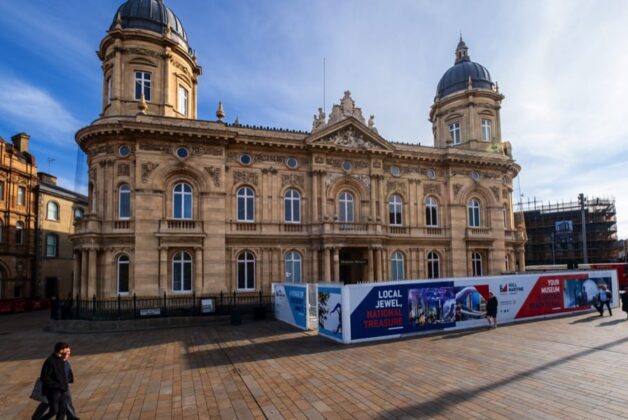
Hull Maritime Museum will reopen to the public on 8 August following a £20.4m transformation of its Grade II* listed building. The museum has been closed since January 2020.
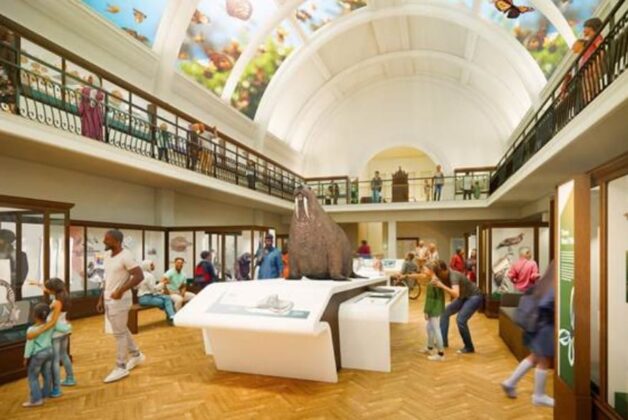
The project has doubled the museum’s public space. Around 1,300 objects will be accessible across galleries and open storage spaces, an increase of 50% on previous displays. Many will be on public display for the first time.
Among the highlights is what is believed to be the largest scrimshaw collection outside the United States, spanning more than two centuries of whaling history. A dedicated scrimshaw gallery will open to the public for the first time as part of the redevelopment. Objects on display include a newly acquired scrimshaw tooth linked to Hull whaling ship Truelove, which made 72 Arctic voyages over more than a century, a decorated sperm whale tooth of the Phoenix of London by American scrimshaw artist Edward Burdett, and an engraved whale tooth by Frederick Myrick depicting the Nantucket whaleship Susan off the coast of Japan.
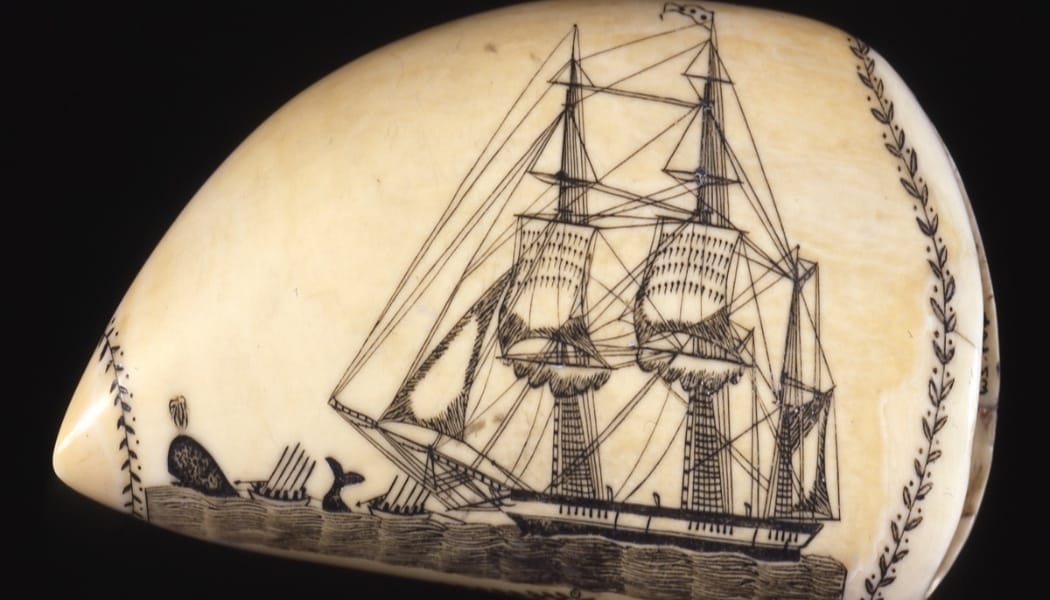
Other objects going on display include the skeleton of a critically endangered North Atlantic right whale, a species with fewer than 400 remaining worldwide, objects carried on Sir Ernest Shackleton’s Endurance expedition to Antarctica, a wooden canoe discovered beneath Hull during construction of the Guildhall in 1908 thought to date from between 1636 and 1799, and the wooden dog figurehead from the Sirius, the first steamship to complete a transatlantic crossing under steam power in 1838.
A new community exhibition space will celebrate the region’s maritime heritage through objects, images and filmed content from local and specialist organisations. The gallery has been designed to national museum standards with environmental controls, enabling the museum to host major loans and touring exhibitions.
Robin Diaper, curator of social and maritime history, said: “Our nationally significant collections will reveal not only Hull’s role as one of Britain’s great maritime cities, but also the human stories, creativity and global connections that grew from life at sea.”
The transformation has been funded through a combination of local and national public and charitable sources. Hull City Council contributed £11.8m, the National Lottery Heritage Fund £7.7m and private donations account for £0.9m.
The museum is housed in the former Town Dock Offices in Queen Victoria Square, first opened in 1871 when ships sailed directly past the building. The museum began in 1912 as the Museum of Fisheries and Shipping in Pickering Park before relocating to the Dock Offices in 1975. The restoration was designed by Purcell and carried out by Simpson of York.
Hull Maritime Museum will be free to visit and open Monday to Saturday from 10am to 4.30pm and Sunday from 11am to 4pm.