Front-of-house training, staff wellbeing protocols, and visitor feedback systems that won national recognition and are now shaping a permanent museum
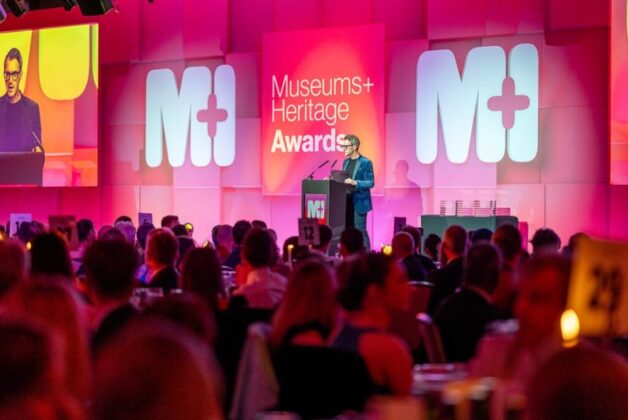
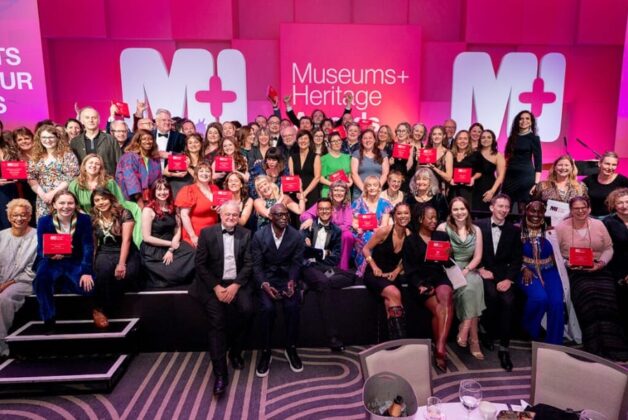
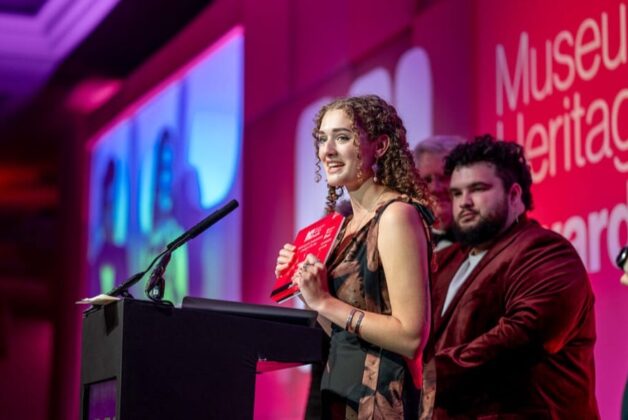
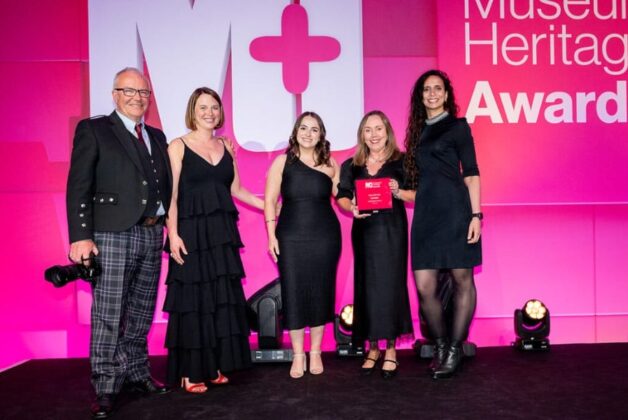
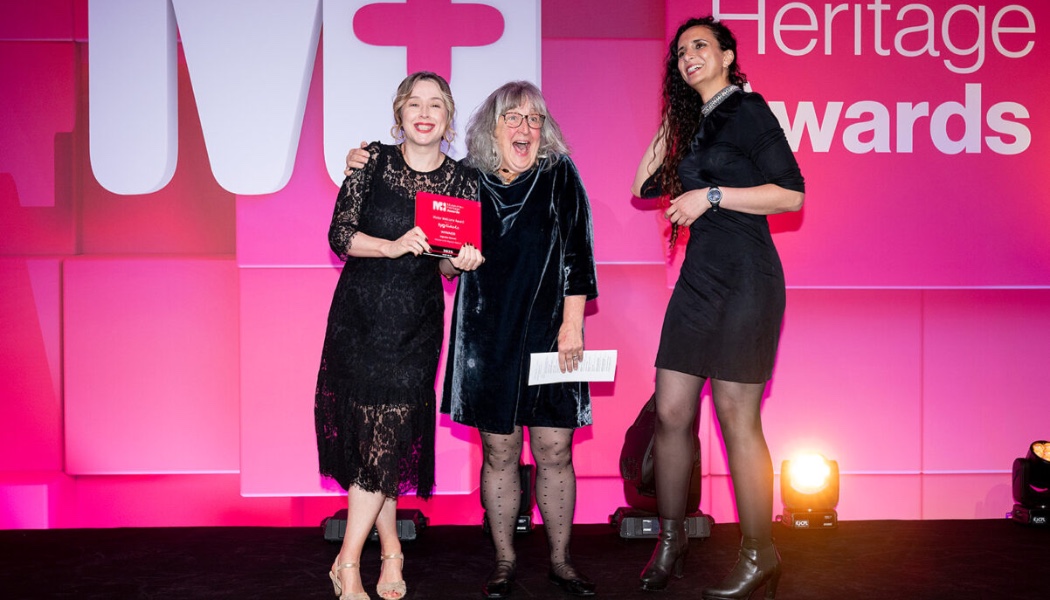
When the Migration Museum won the Visitor Welcome Award at the Museums + Heritage Awards in May 2025, the judges noted that the organisation “truly [embodies] what it means to be welcoming” and “[set] the standard by placing individual needs and experiences at the heart of everything” they do.
Now temporarily without a physical location, the museum is maintaining those standards while it works ahead to a new permanent home.
The award recognised an approach that treats visitor welcome as a strategic function requiring specific training, ongoing support systems, and measurable outcomes. For a museum currently between locations, this operational model is proving adaptable.
Tailored Welcome as Standard Practice
The Migration Museum’s front-of-house approach aligns with wider guiding principles: understanding, respect, representation and participation. This translates into specific staff behaviours rather than generic customer service.
“Our training and our experience has highlighted the varying levels of welcome a visitor might need – be it a simple nod, wave or in-depth introduction, so we tailor our welcome to what suits the visitor” explains Harriet Costello, Public Engagement Manager, and Frances Ewings, Public Engagement Coordinator.
The team received training in active listening, non-verbal communication and grounding techniques. These skills address the reality that exhibitions about migration can stir different feelings: expectation and excitement, but also confusion or reservation.
Physical space supported this approach. They created a rest area at the front of the museum with sofas, accommodating tired parents or visitors emotionally affected by exhibition content.
Staff Wellbeing Infrastructure
The museum’s approach to staff wellbeing operates through specific protocols rather than general support statements. Front-of-house staff can ask colleagues to take over conversations without explanation if they need to step away. Regular check-ins are scheduled. Breaks are protected.
“The personable welcome we create often leads to visitors sharing their stories with us, for example, so we hear many stories – sometimes joyous, sometimes heavy – that may leave an impact on our staff,” Costello and Ewings note.
These protocols recognise that front-of-house work at a migration museum involves different emotional labour than other museum roles. The system allows staff to manage this without compromising visitor experience.
“It sounds obvious to say that if you look after your team then they will look after your visitors, but this is a sentiment that should never be forgotten,” they observe.
Operating Without a Location
Since closing their Lewisham site, the Migration Museum has maintained engagement through community sessions for groups, partnership events, and education workshops. The guiding principles remain embedded across the team despite the lack of physical space.
Their new permanent home will be in the City of London, opening in approximately two years. Current work focuses on neighbourhood engagement across the City of London, Tower Hamlets, Lewisham and nearby boroughs.
“Creating opportunities for people to meet us in person, hear about the museum and perhaps share their story with us ready for when we open, offers a personable approach,” Costello and Ewings explain. The aim is connection and belonging before the physical space even opens.
We would absolutely encourage others to apply, and through doing so, recognise the potential of their teams and how the visitor experience is central to a museum visit.
Visitor Feedback Systems
During their time at Lewisham, the museum provided multiple feedback channels and noted comments from visitors less inclined to formal responses. This feedback now informs gap analysis and future planning.
The data is feeding into a Visitor Engagement Strategy being developed through collective effort. The front-of-house team are conducting research, learning from other spaces, and reviewing visitor feedback.
People’s Panel Structure
The newly established People’s Panel comprises individuals active in communities within the new and neighbouring boroughs, plus Lewisham. The panel will shape spatial design and food and drink offerings for the permanent museum.
“Our exhibitions have always been made up of real, everyday stories, and so we are carrying this sentiment forward and ensuring people’s voices are also heard in terms of practical needs when visiting our space,” Costello and Ewings note.
Training and Knowledge Transfer
For each exhibition, staff familiarise themselves with migration stories whilst acknowledging gaps, inviting visitors to add their own stories through interactive displays. The team share their own connections to migration, becoming part of the storytelling.
“We ensure that we are a well informed team that can engage in thoughtful conversation with our visitors and their questions, and perhaps highlight a story or object that may resonate with a visitor, while never assuming a visitor’s level of collection or perspective,” they explain.
This knowledge base allowed the team to connect visitors with relevant content during their All Our Stories: Migration and the Making of Britain exhibition, supported by a Migrant Makers’ Market shop selling products with maker stories.
Sector Recognition
The award provided validation beyond internal team appreciation. “It was also an important recognition of the importance of visitor welcome and the teams this entails, this being a museum-wide effort, but carried out day to day by front-of-house,” Costello and Ewings observe.
They note growing recognition for front-of-house roles in the museum sector whilst suggesting more work remains. “Front-of-house staff play such a pivotal role in visitors’ experiences, and we appreciate the emphasis this award puts on this.”
Operational Continuity
Now months after their award win, the Migration Museum’s visitor welcome standards persist through structural changes. The framework developed in Lewisham now shapes engagement in multiple boroughs and informs permanent museum planning.
On their win, the pair said: “We would absolutely encourage others to apply, and through doing so, recognise the potential of their teams and how the visitor experience is central to a museum visit.”