
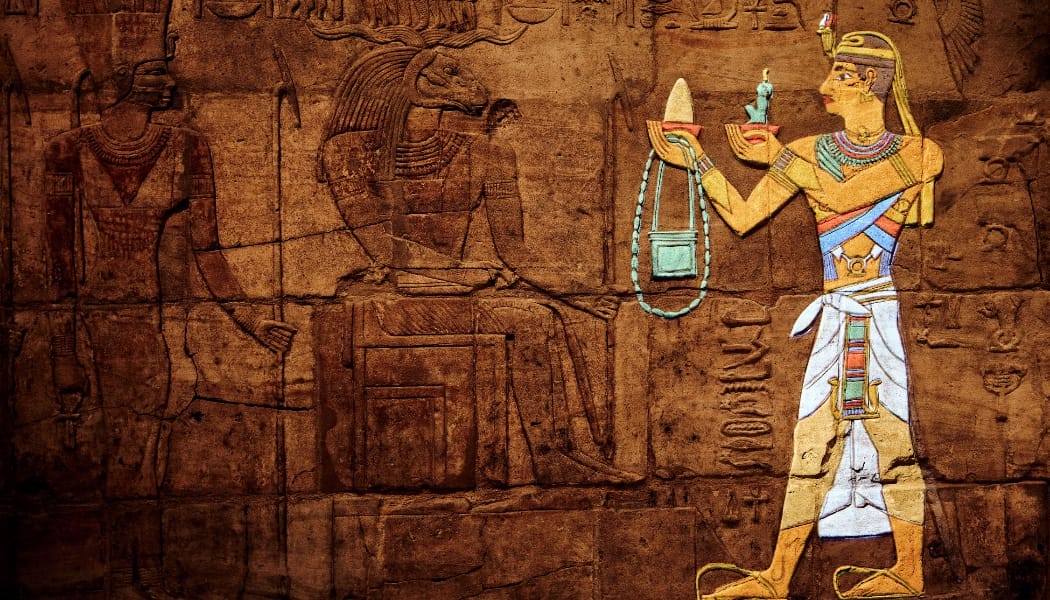
Alistair Hardaker | Image: Re-colouring the Shrine of Taharqa © Fisher Studios, 2026 - courtesy Ashmolean Museum, University of Oxford
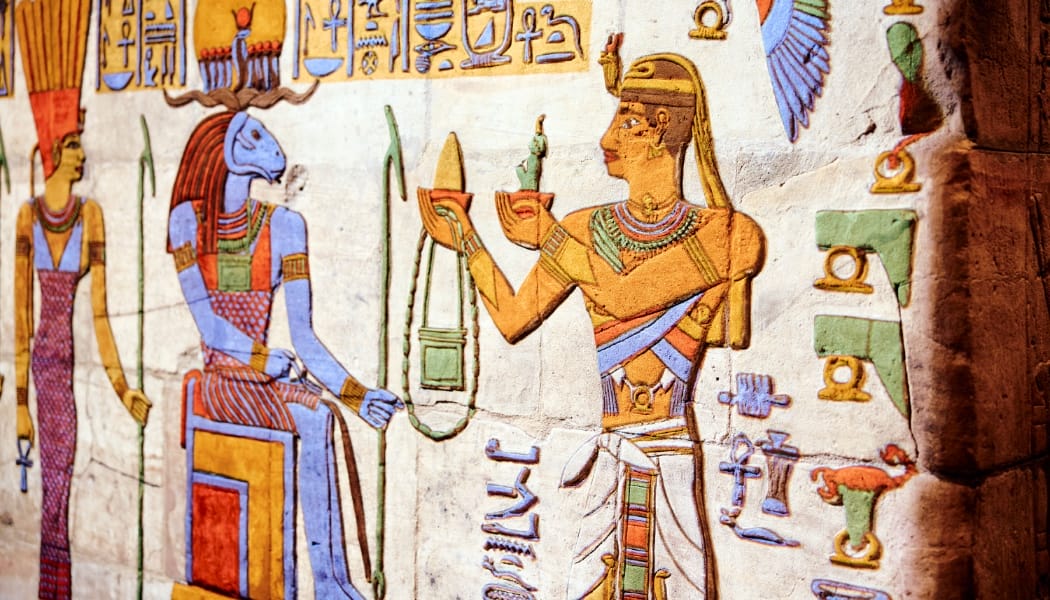
Projection draws on pigment analysis and infrared photography, which identified traces of Egyptian blue used for divine figures.
The Ashmolean museum in Oxford will use light projection to show how a 2,700-year-old building would have looked in its original painted colour.
The Shrine of King Taharqa, the only free-standing pharaonic building in Britain, is part of Ashmolean’s Ancient Egypt and Sudan galleries.
The museum will reconstruct its original painted decoration using coloured projection mapping on the original sandstone walls.
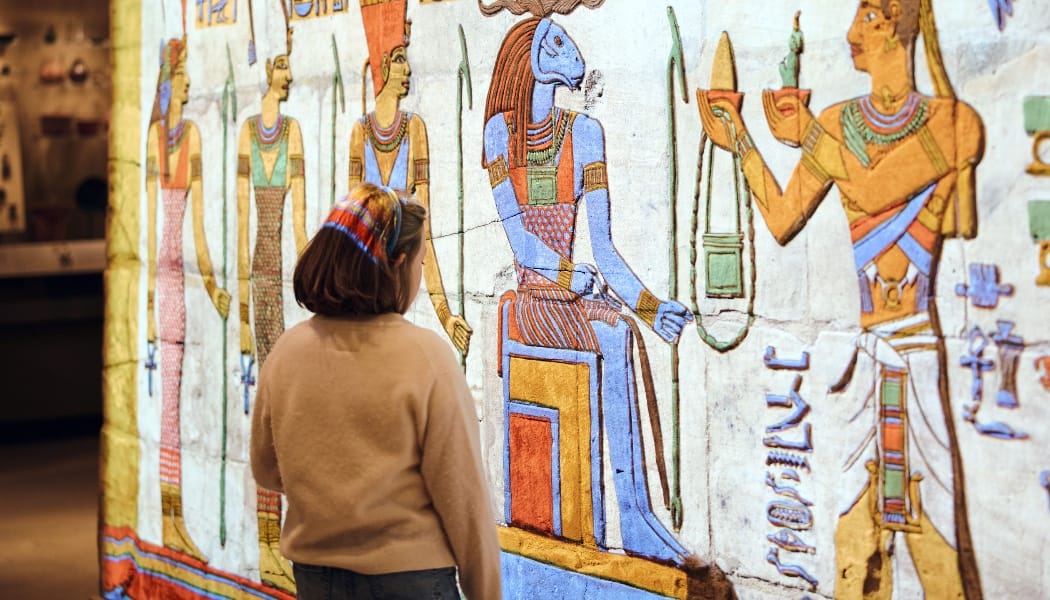
The installation, funded by Lord Lupton, chair of the museum’s Board of Visitors, and Lady Lupton, marks the 90th anniversary of the Shrine’s arrival at the Ashmolean in 1936.
Scientific investigations, including microscopic analysis of surviving pigments and specialist photographic techniques, have unveiled traces of the original colours. Among them, a newly discovered ‘Egyptian blue’, an ancient pigment detected using infrared photography.
The museum says that this particular blue appears to have been reserved for specific divine figures and imagery.
The Lord Lupton CBE, Chair of the Board of Visitors of the Ashmolean Museum, says: ‘A trip to Egypt in 2022 inspired my interest in the vivid colours used millennia ago, preserved by the arid climate, and still visible today. I hope that this use of technology in the Ashmolean will similarly inspire our visitors, especially the young.’
The new installation opens 13 November 2026.