Blind visitors shouldn’t need a sighted guide to experience a museum. Dave Williams, Dot Inc.‘s Customer Experience Manager, explains why.
The Museums and Heritage sector has made real strides on physical accessibility in recent years, with ramps, lifts and tactile trails, but how would you assess where it currently stands on digital accessibility for visually impaired visitors?
Dave Williams: While museums continue to make good progress in accessibility, I am hearing a desire across the sector to go much further. I think we can all recognise accessibility is not a single project with a finish line. Accessibility is adopting an open mindset and organisational culture that welcomes everyone.
For blind and partially sighted visitors, our experience can lag behind physical accessibility. Many museums now provide information about collections through apps, touchscreens or QR codes, but these experiences are often designed primarily for people who can see. Even where screen reader compatibility exists, you’re still missing something fundamental.
Museums are often intended to be immersive spaces. They tell stories through physical objects, images, maps and artworks that simply aren’t conveyed through text or audio alone. As a blind visitor, yes I want to hear information about an exhibit, but I also want to appreciate its shape, layout, proportions, relationships and physical presence. That spatial understanding is sometimes incredibly difficult to communicate using just audio or text.
Digital accessibility means more than making existing content readable by a screen reader. It means creating equivalent experiences that allow blind visitors to explore visual information independently.
For readers who may not be familiar with your technology, can you explain how Dot Pad works in a museum or gallery context and what a visually impaired visitor actually experiences when they use it?
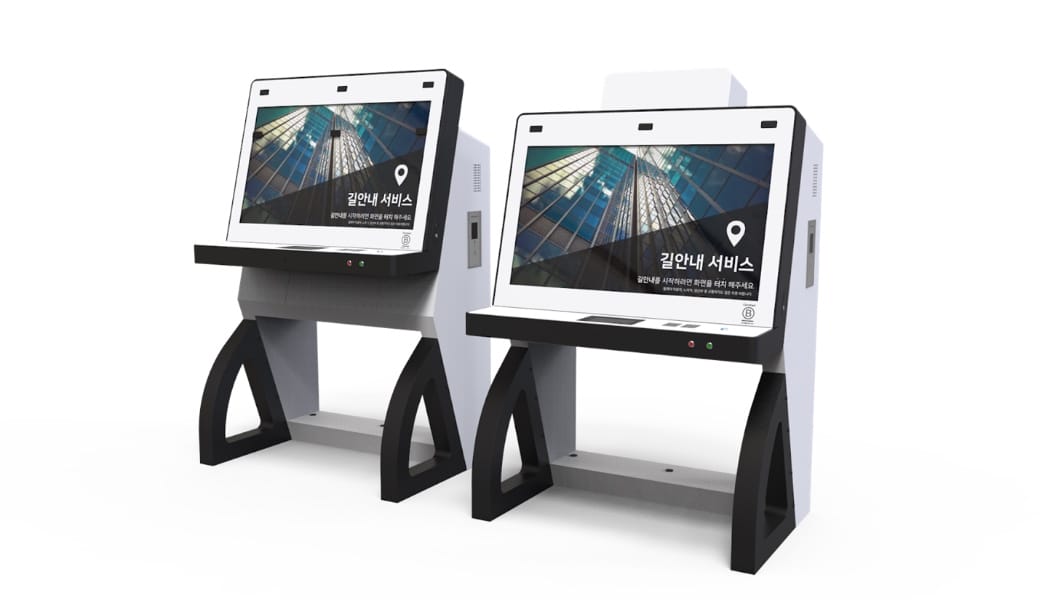
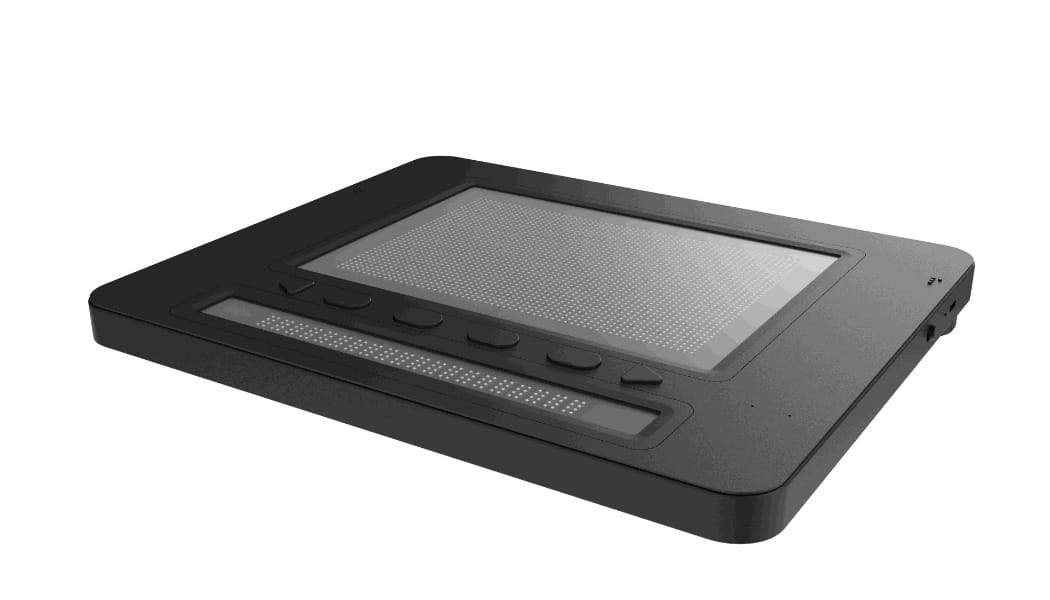
Dot Pad is a refreshable tactile display. Instead of producing just braille, it has an array of 2400 individually controlled pins that rise and fall to create both braille and graphics on a tactile surface. Think of Dot Pad as a screen for your fingers. Dot Pad weighs just a couple of pounds, measures 11 by 9 inches, has an internal battery and can connect via Bluetooth low energy, so can be easily carried between exhibits in the supplied carry bag. Alternatively you can have Dot Pad mounted as part of a stationary kiosk. Visitors can browse content using physical buttons. The surface has a replaceable protective layer making Dot Pad durable for public environments.
Because the display changes electronically, visitors can move between different images without needing multiple physical tactile models. Audio descriptions and braille can be integrated alongside the tactile graphics, creating a much richer multimodal experience.
Rather than a blind visitor waiting for a guided tour or relying on someone else to describe what they’re looking at, visitors can explore at their own pace, ask their own questions and make their own discoveries. That’s something many sighted visitors take for granted, and it’s exciting to see technology making that possible for blind people too. Plus, some sighted people also value tactile experiences that bring a topic to life.
UK museums are operating under significant financial pressure right now. How do you make the case for investment in tactile display technology to a heritage institution that is already stretched?
We absolutely recognise the financial pressures museums and heritage organisations are facing today. Every investment has to demonstrate genuine value, extend the life of existing resources and improve the visitor experience.
One of the greatest strengths of digital tactile technology is that it is not tied to a single exhibition. Unlike traditional tactile models, which can be costly to commission, manufacture, update and store, a Dot Pad X can be reused across temporary exhibitions, permanent galleries, educational programmes, outreach activities and travelling collections. Much like a digital display replaces hundreds of printed posters, Dot Pad X provides a flexible tactile platform that evolves alongside your museum. Combined with Dot’s software tools for creating and rendering tactile graphics, it represents a long-term accessibility investment rather than a one-off project.
Importantly, inclusive design benefits far more than blind and partially sighted visitors. Schools, universities, families, older visitors, people with neurodiverse conditions and anyone who learns more effectively through touch can all benefit from tactile interpretation. Accessibility is no longer simply about meeting legislative obligations; it is about creating richer, more engaging experiences that broaden participation, strengthen community engagement and demonstrate that museums are welcoming to every visitor.
Recognising the financial constraints facing the sector, we have also introduced a dedicated Museum Accessibility Programme that removes much of the upfront capital investment traditionally associated with new technology.
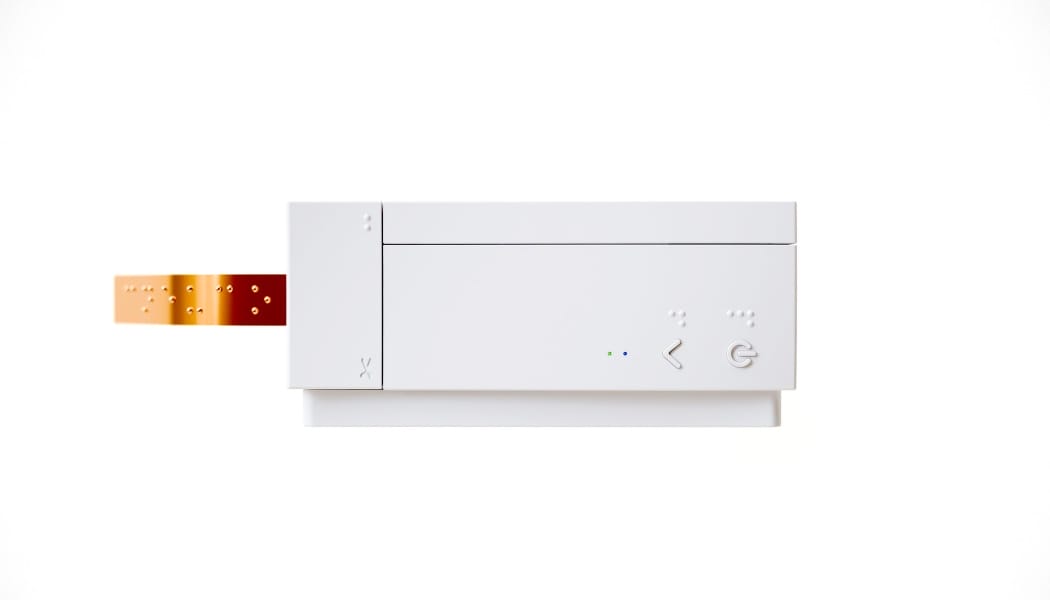
For £399 per month, museums receive two Dot Pad X tactile displays together with two Nemonic Dot Braille Label Printers. The printers enable any member of staff, whether or not they know Braille, to produce accurate Braille labels, gallery signage and exhibition information within minutes. This is particularly valuable for temporary exhibitions, touring collections, gallery refreshes and special events where new interpretation is required quickly and cost-effectively.
Rather than asking museums to commit to a significant capital purchase, the programme provides a predictable monthly operating cost that can be incorporated into existing budgets while delivering immediate accessibility improvements across multiple departments. Subject to the individual museum’s circumstances, these products can qualify as zero-rated disability equipment under HMRC VAT guidance, providing an additional financial advantage.
Ultimately, our aim is to make digital accessibility achievable for museums of every size, not just national institutions, so that more visitors can experience history, art and culture independently, with dignity and without barriers.
There’s a broader conversation happening in the UK around the Accessible Information Standard and duties under the Equality Act. Do you think compliance is driving uptake of technology like yours, or is it organisations going above and beyond that are leading the way?
It’s a mix. Legislation is important because it establishes minimum expectations, and that’s absolutely necessary. However, the most inspiring projects I’ve seen aren’t driven by compliance – they’re driven by a genuine desire to create excellent visitor experiences for everyone. The museums that really stand out are the ones asking, “How do we make this
exhibition equally engaging?” rather than “How do we meet the minimum legal requirement?”
When accessibility becomes part of the creative process from the beginning, the results are almost always better. Technology like Dot Pad enables those ambitions, but the biggest driver is organisational culture. When accessibility is seen as part of delivering a great museum experience rather than an obligation, innovation naturally follows.
Where do you see the biggest untapped potential for tactile technology in the UK’s museums and heritage sector over the next five years?
We’re only just beginning to understand what’s possible. The obvious application is making floor plans, maps, objects and data visualisation more accessible, but the opportunities go much further.
Imagine being able to explore changing archaeological excavations as new discoveries are made, understanding the engineering behind historic machinery, navigating complex heritage sites independently, or following interactive timelines and historical maps through touch.
There’s also enormous potential in education. School groups could engage with exhibitions in ways that support both blind and sighted learners together, rather than separating accessibility from the mainstream experience.
As a blind visitor, that’s the most exciting future. I want to visit museums where we design exhibitions with tactile, visual and audio experiences that work together for everyone. Museums exist to share knowledge and inspire curiosity. Tactile technology helps ensure more people can experience that equally.