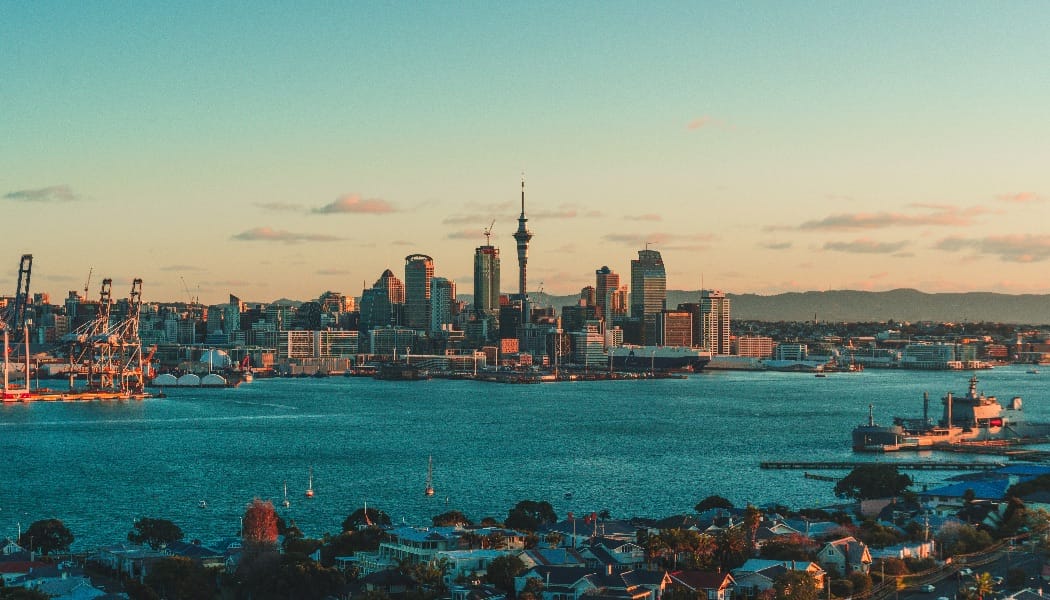

After more than a decade working in the museum sector in Aotearoa (the Māori name for New Zealand), Sally Manuireva has returned to the UK with fresh perspectives on the challenges and opportunities facing museums here.
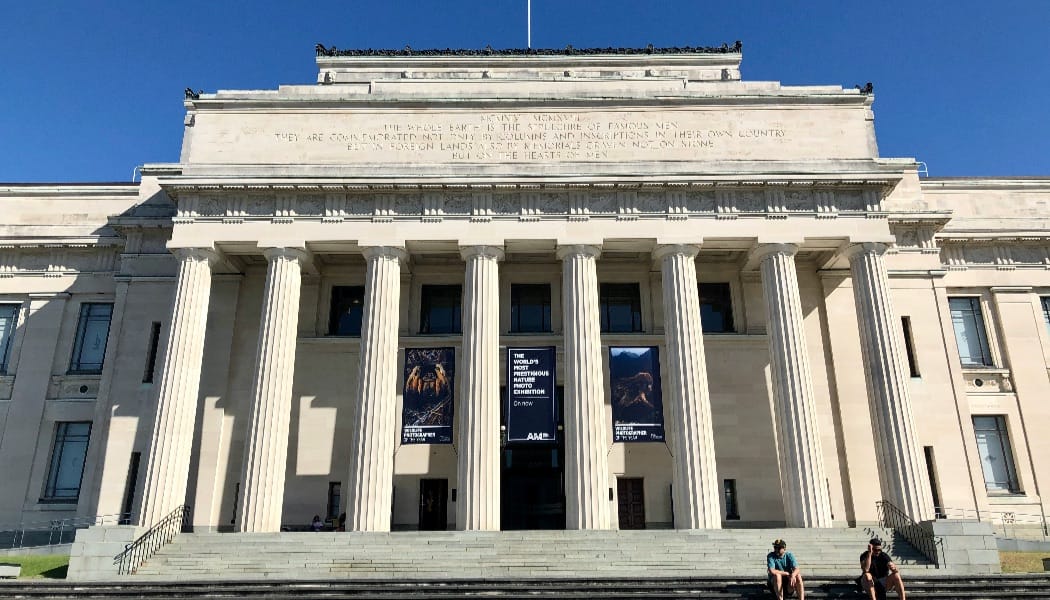
Manuireva served as Education Manager at the National Justice Museum in Nottingham from 1996 to 1999, then Director of Learning & Knowledge at Museums Sheffield from 1999 to 2008. She was Director of Public Programmes at National Museums Scotland in Edinburgh from 2008 to 2011, before moving to New Zealand to become Director of Public Experience and Capital Projects at Auckland War Memorial Museum from 2011 to 2017. From 2017 to 2020, she operated as an independent consultant through Sally Manuireva Consulting, working with cultural organisations across New Zealand. From 2020- 2025, Manuireva was Director Museum Engagement for the Museum of Transport and Technology (MOTAT).
Manuireva’s teams at MOTAT won two M+H Awards, most recently for Te Puawānanga science and technology centre in 2024 for Best International Exhibition.
During her time in Auckland and across New Zealand, she worked alongside Māori communities in a bi-cultural nation where indigenous culture and language fundamentally shape museum practice. This experience of shared governance, community-led engagement and knowledge holder-led storytelling now informs her view of the UK sector.
In this piece, she reflects on what she has observed since returning: the impact of austerity, the inspiring resilience of professionals keeping organisations afloat, and the potential for regional and local identity to reinvigorate museums. She also considers what the UK sector might learn from the Aotearoa approach to decolonisation and partnership, particularly as museums here navigate questions of representation, relevance and workforce diversity.
Aotearoa
Aotearoa is the Māori name for New Zealand. I lived in Auckland, working initially at Auckland War Memorial Museum and then at the Museum of Transport and Technology. I had a period of working as a freelancer across New Zealand. During my time in Aotearoa, I worked with museums in Australia, the Pacific Islands and China. My husband, Ena, is Mangarevan. Mangareva is an island in French Polynesia and all his (our) family live there, mostly on Tahiti. We moved to Aotearoa to be closer to our family in Tahiti. I visited the UK regularly throughout and kept my connections with the sector alive. There are aspects of my New Zealand experience – community led engagement, shared governance, knowledge holder led conservation and storytelling – that I bring back with me.
Shared experiences of global events
I see the impact of major global events such as the Covid-19 pandemic, shifts in migration patterns and the rise of populism on the UK sector. Many of these events also impacted Aotearoa and the Pacific, of course. I feel like the sector in Aotearoa and Australia has recovered more strongly post-pandemic, and I suspect that this is more to do with austerity in the UK.
Tough times
I see that it is a tough time for the museum sector. There are fiscal challenges for the cultural sector in New Zealand too, but it is certainly more acute here. It is painful to witness organisations that have been ‘hollowed out’ by cuts in public funding. I really admire those people who are keeping organisations going and are making the case for the right level of resources. The benefits (societal, health, economic) of engaging with cultural activity seem well understood in the UK (certainly are better articulated than in NZ) and form a strong foundation for advocacy. Now is the time for visionary, ambitious leadership and funding for the museum sector.
Great work
And there is good reason to be proud of the sector. Vision and ambition is not misplaced – it just needs resourcing. There is much great work happening across all parts of the sector. Looking at the UK from overseas, the sector is admired, but that is mainly for capital developments, Much less is known about non-capital initiatives. I am a big supporter of capital investment in museums but am surprised how the resourcing of the sector is still so geared towards capital. I do admire the innovation on partnership working that I see across the sector. That was also a shift in Aotearoa – finding new types of partnership and collaboration, particularly with Māori as tangata whenua (people of the land).
Identity and community connection
It is a profound experience to work alongside Māori in Aotearoa as a bi-cultural nation. The indigenous culture and language infuses most of the work in museums and it is reshaping so much – from governance to programming to funding and so much more. New forms of co-development, leadership and ownership are emerging. It does cause debate and not everyone embraces this, but for the majority, it has proven to be an invigorating movement in New Zealand and (to a lesser extent) Australian museums. I have certainly seen great examples of community led practice and decolonisation in the UK sector. It was super to be at the Museums Association conference in Wales and to witness the liveliness of the Welsh language, culture and identity. Same in Scotland. I wonder if this local and regional focus on shared identity could be a fresh life force for museums, reaching new communities and creating broader relevance.
Workforce of the future
I’ve been visiting museums across the UK for the last couple of months, and have observed more diversity in the workforce, although noting that the front of house teams are what I have mostly seen. The debate about the workforce of the future is very similar between the UK and New Zealand and Australia, acknowledging the need to develop a more representative workforce, one that has the capabilities needed to engage with diverse communities, to support more challenging discourse and to enable new approaches to collections, including ownership. I see that there are more pathways into the sector now but acknowledge that more are needed, combined with better pay. I do think that community engagement projects will lead to a more diverse workforce – that has certainly been the case in New Zealand.
Global connections as a force for good
Big picture, I remain very proud of the UK sector, which is leading the way in several areas and showing resilience (although I do think this is a much-overused word) at a level that many other sectors couldn’t muster. It is a privilege to work in another country and then also a privilege to be able to return, enriched by that experience. It confirms for me how essential it is to have a global outlook and connections beyond the UK, particularly given the source of many collections in UK institutions. Those global connections are vital in shaping the sector of the future, as we rise to the challenges of climate change, decolonisation and relevance.
Side note 1: What may be less well understood if you haven’t lived in New Zealand is that bi-culturalism is the foundation for work with other global majority communities, particularly Pacific Island nations, highly represented in New Zealand. There is a real sophistication to this approach to decolonisation and community empowerment, grounded in respect, relationships and shared culture.
Side note 2: Aotearoa is far away when in the UK. When there, you feel highly connected to the numerous Pacific Island nations, to Australia and to Asia. The connection and dependency on the Asia Pacific region is real, and this plays out in museum relationships and in work on climate change in particular.