‘School Dinners’ combined sensory experience, academic rigour, and young people’s voices on a budget under £80,000.
The Food Museum’s School Dinners exhibition was described as “equal parts nostalgia and sharp political commentary,” by judges at the Museums + Heritage Awards. It both surfaced visitor’s sensory childhood memories while exploring poverty, policy and responsibility.
Six months later, the exhibition is now in Parliament.
Since May, the School Dinners project has expanded significantly. The exhibition was launched by Sharon Hodgson, an MP and chair of the All Party Parliamentary Group for School Food.
Hodgson encouraged the museum to apply for a Parliament residency, which the museum secured for June 2026.
Food Museum curator Katherine Bridges explained, “it comes at a particularly significant moment for school food. We were absolutely over the moon that our exhibition could have an impact that is wider than the museum sector. You know, to be in Parliament with a topical exhibition was such a brilliant opportunity.”
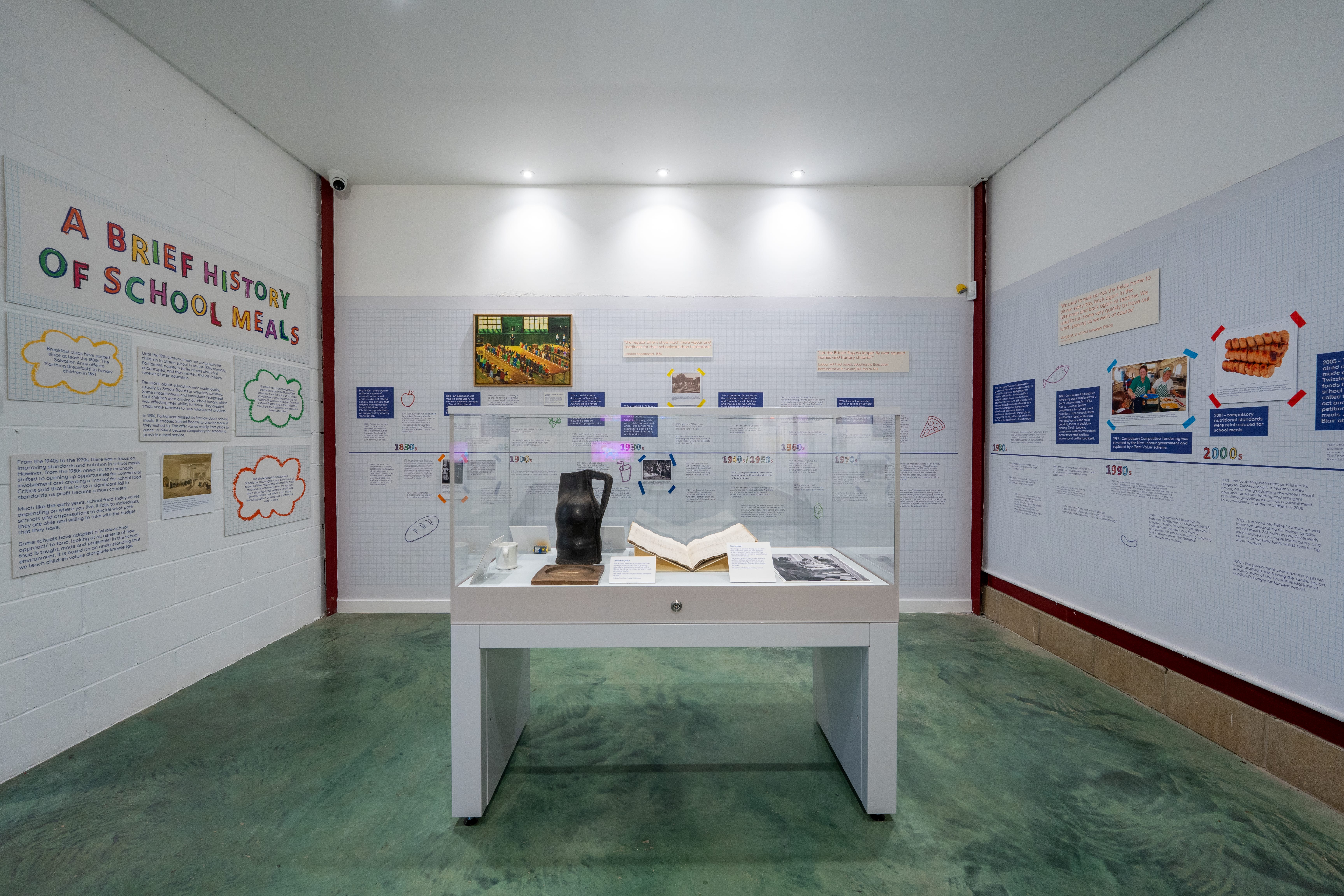
Asked about the balancing act of school-age nostalgia and politics, Bridges told Advisor: “We chose our partners carefully but also work with a really broad range of people. One thing that was really key was a big academic project that sits at the heart of the work that we’ve done.”
The museum partnered with University College London, University of Sheffield, and University of Wolverhampton on an academic project examining the history of school meals and what contemporary situations might reveal about the future. “Using that kind of academic insight really enabled us to feel confident to tackle those particularly difficult issues,” said Bridges.
Alongside the universities, the team worked with campaign groups advocating for school food improvement. “There are so many brilliant people working in school food, trying to make it better and advocate for it and for the young people,” she explains.
This partnership structure meant the exhibition could address poverty, policy, and accessibility without sentiment or oversimplification.
Given that young people are most affected by school dinners, the museum involved seven curators aged 14 to 18 from East Anglian schools. They worked on the project for almost a year, investigating the topic alongside the professional team.
Bridges said the museum wanted these young curators to “ feel empowered, like they had learned something, and that their perspectives on the topic were as important as my perspective as the curator.”
The young curators were “glowing with confidence by the end of it”…“It was amazingly transformative.”
When the young curators conducted oral histories, they surfaced issues the professional team might have overlooked such as climate impact and being conscious of allergies.
Bridges notes. “That’s not something I’d really thought about within the topic. So it was so valuable having them pick school dinners apart from a completely different perspective.”
Sensory experience and budget decisions
The Food Museum is accustomed to engaging multiple senses. The tasting kitchen has been central to exhibitions since 2022. For School Dinners, it became the most engaged sensory element the museum had ever offered.
Sourcing original menus and recipes proved difficult because much school dinner material is ephemera that people do not preserve with the same care as paintings or significant objects.
The team received contributions following the public call for donations. Dinner ladies’ handwritten notebooks proved particularly valuable, with “notes and scribbles that dinner ladies,” “that really act as their Bible in the kitchen.”
“They’ll scribble all sorts of notes all over them and say ‘that doesn’t work’, ‘it needs to be this’, they are such amazing fountains of knowledge,”Bridges explains.
The museum also received large catering pots from the 1950s used to transport food between schools, and massive bins originally filled with supplies like sugar or cornflakes and wheeled around school kitchens.
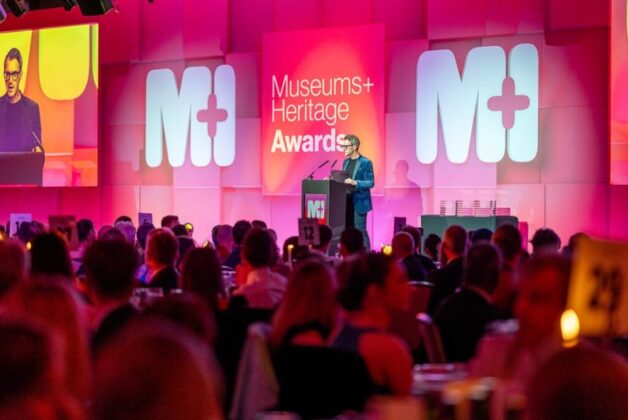
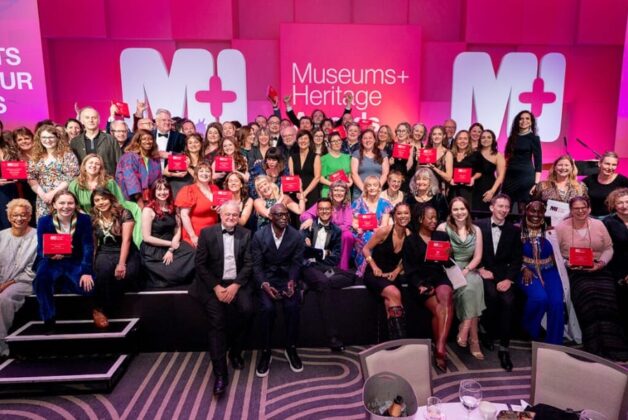
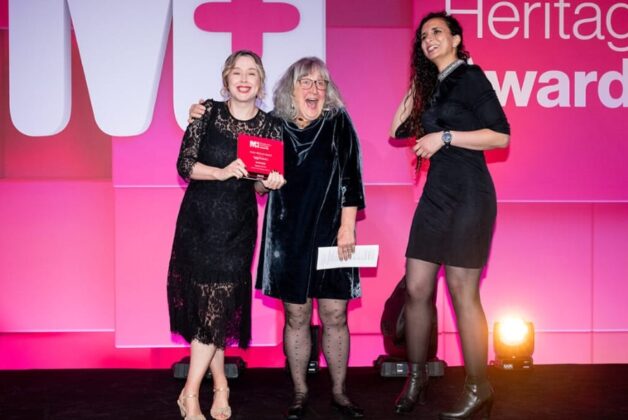
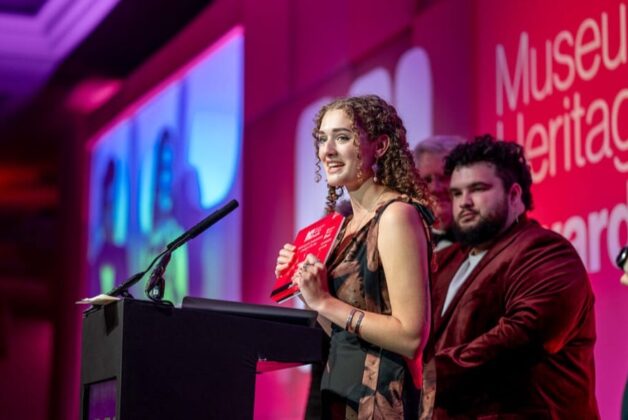
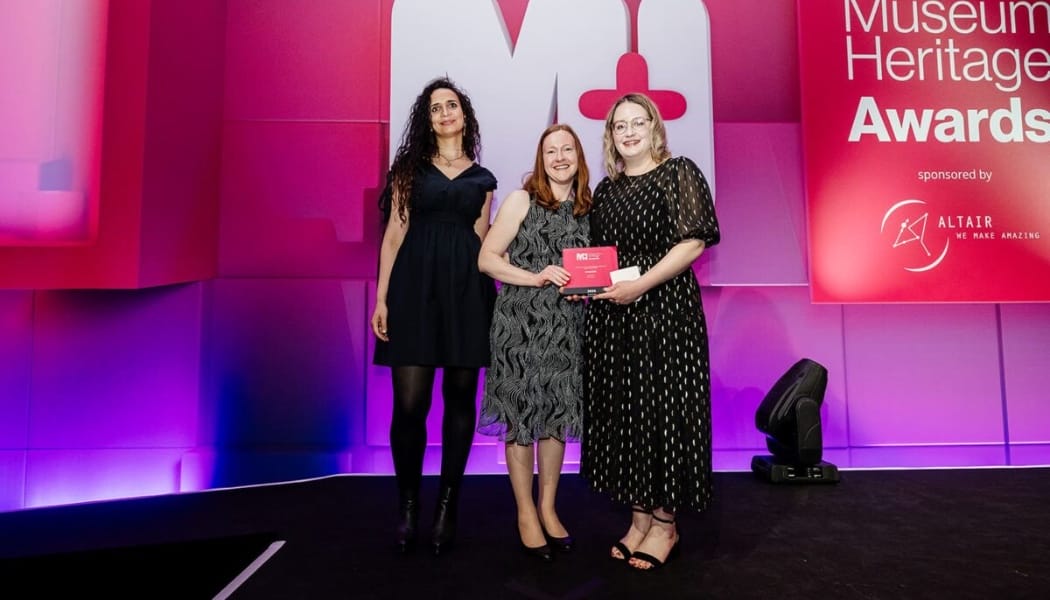
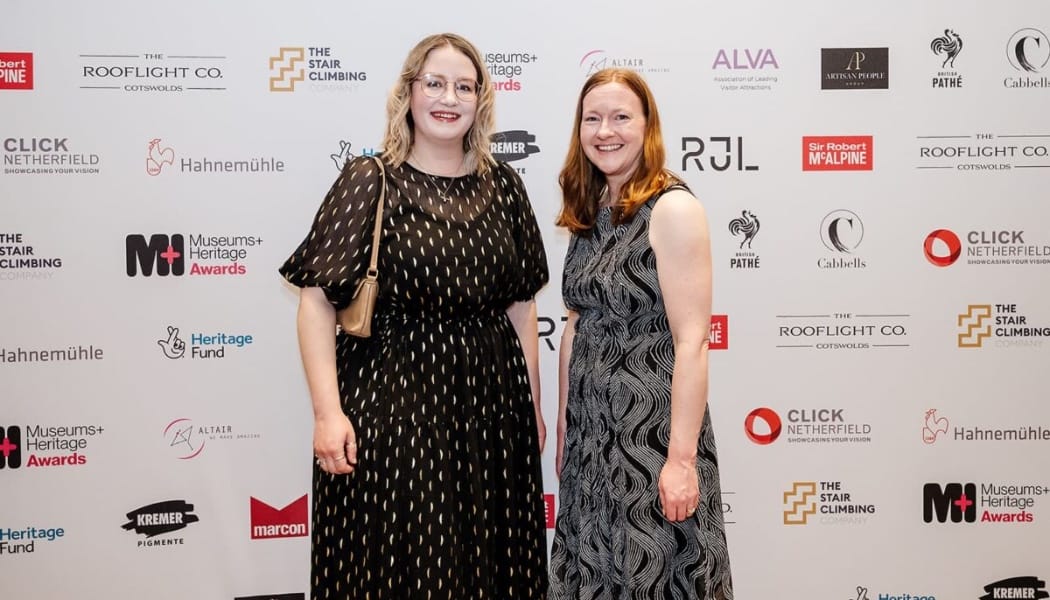
The museum took home the Temporary Or Touring Exhibition Of The Year (Budget Less Than £80k) Museums + Heritage Award earlier this year.
For ‘School Dinners’, the largest budget outlay went to recreating meals through the decades. The team partnered with a fake food workshop in Scotland to create three-dimensional models of school dinners from different eras.
“That was a real point of debate for us, whether to invest that money. But actually, by far, it’s been the best thing we did. Visitors light up and run straight towards those meals because it instantly evokes those memories and feelings, both positive and negative,” Bridges explains.
Tasting as Engagement
“Visitors just absolutely love tasting the puddings and that really serves that nostalgia element,” Bridges said.
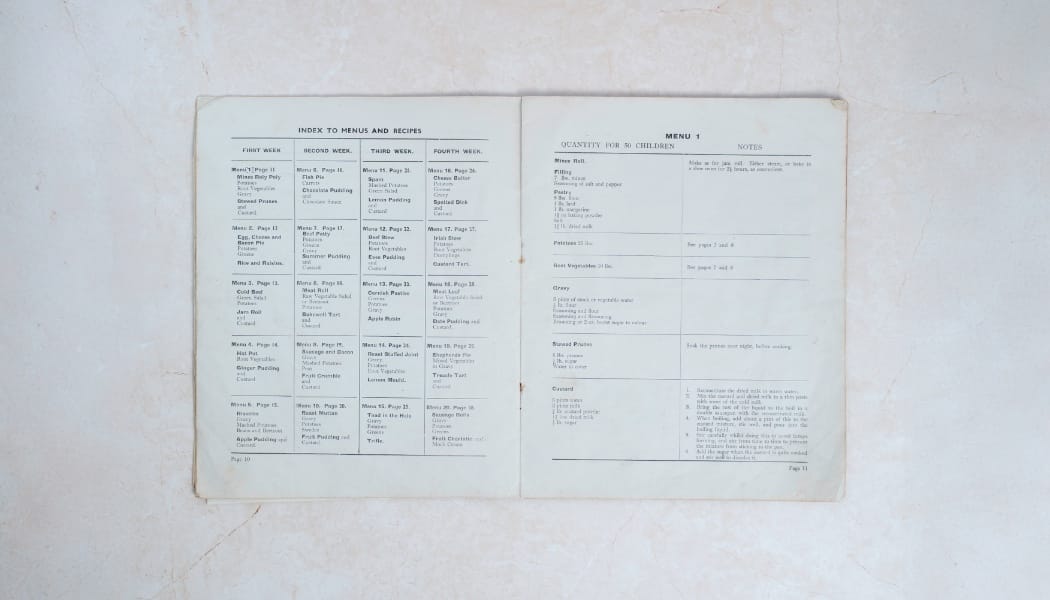
Research extended to sourcing menus and recipes from multiple periods. A 1940s Norfolk cookbook, on loan from catering supplier Norse Catering, served as particular inspiration. Dinner staff and catering companies provided additional guidance on authentic recreations.
Future plans
A touring version of the hit exhibition has already been developed, and following the Parliament residency, it will travel to conferences and food shows. Future plans include a six week touring programme to schools.
This expansion demonstrates how a modestly budgeted exhibition, developed with genuine community partnership and academic rigour, can achieve influence beyond traditional museum audiences.
Award recognition and sector impact
Winning the award in May 2026, amid strong competition, surprised the team. “We were absolutely over the moon to win an award for all of that hard work amongst such brilliant, you know, brilliant museums and projects,” Bridges reflects.
The museum was known as the Museum of East Anglian life until 2022, when it became The Food Museum, with a broader focus on better connecting people with where food comes from and the impact of food choice.
The recognition matters particularly as the Food Museum establishes itself. “From a sector point of view, to have it recognised is really important to us, particularly as a museum going through such a big time of development and establishing our reputation as a food museum, it means such a lot to us.”
Bridges emphasises that the award recognises collective effort. “I hope particularly all of our partners and young people feel really proud that their hard work has been recognised through that award.”
The exhibition runs until February 2027 at the museum’s Stowmarket site.