Alistair Hardaker
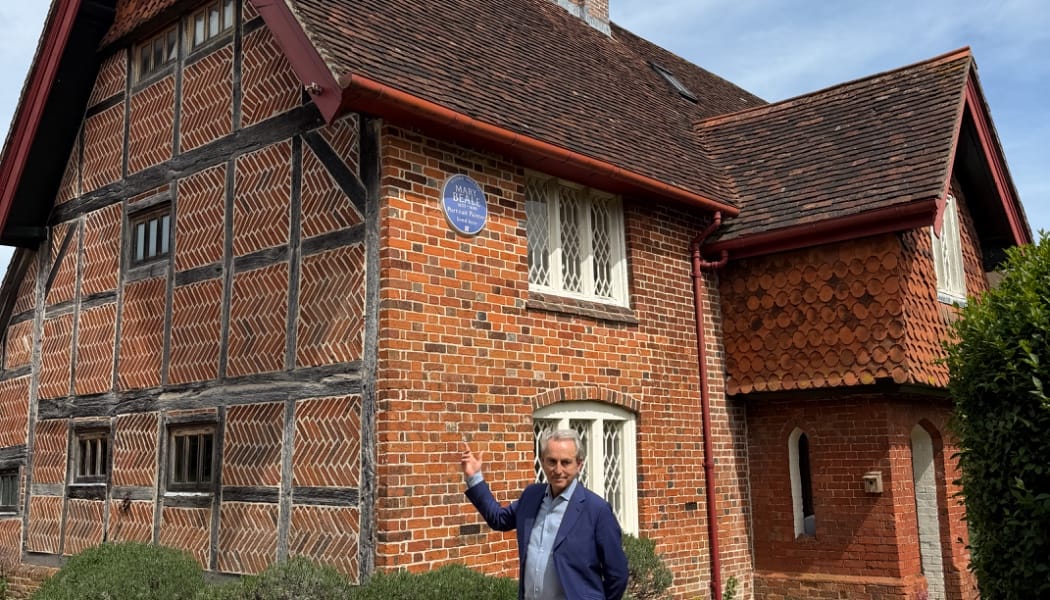
Historic England unveils plaque to portrait painter at Allbrook Farmhouse in Eastleigh, the only surviving building connected to Beale.
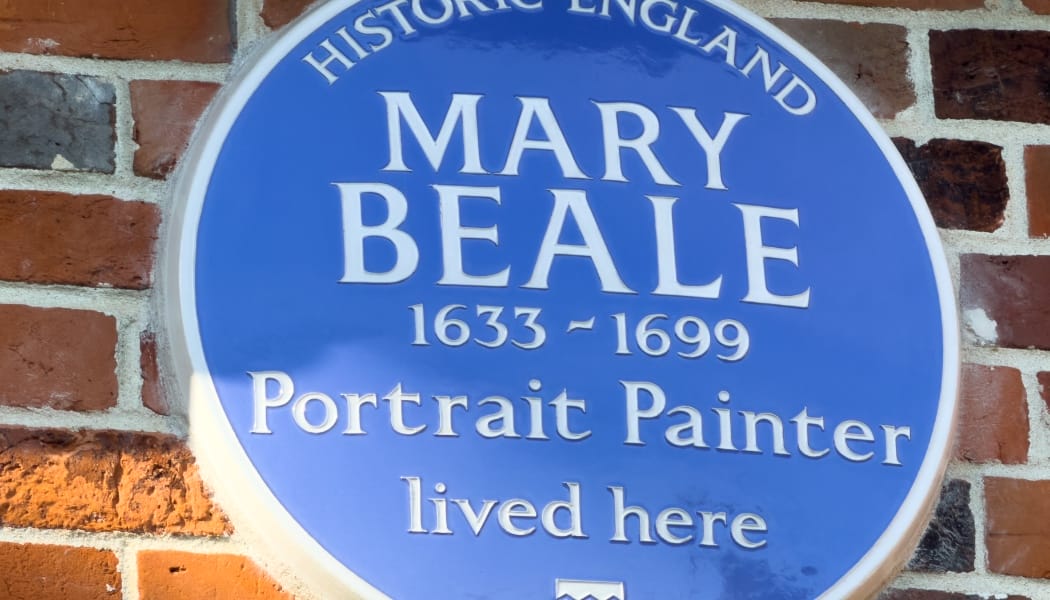
Historic England has unveiled a national blue plaque to portrait painter Mary Beale at Allbrook Farmhouse in Eastleigh, Hampshire, making her one of the earliest recipients of the scheme.
Born in 1633, Beale was one of the first English women to work as a professional artist. The plaque marks her former home at Allbrook Farmhouse, the only building with a connection to Beale that has survived.
Beale succeeded without financial support from a wealthy patron, unlike many of her male contemporaries. She also trained other women in painting and is sometimes cited as the first woman to have written an instructional text for painting in English.
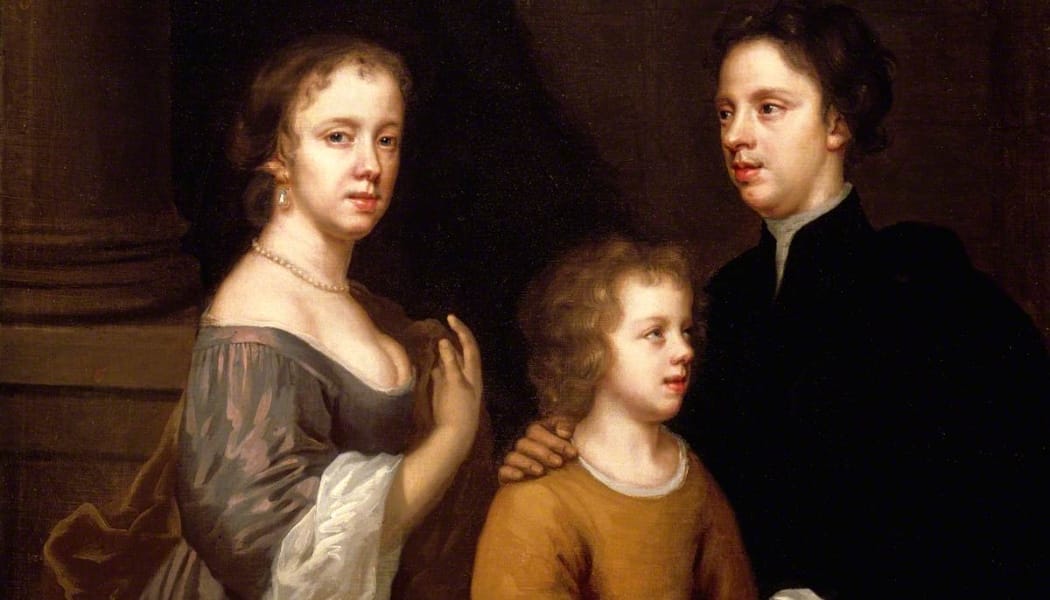
Many of Beale’s works were misattributed to male artists for generations, including to Peter Lely and her own son Charles. Her first solo exhibition came only in 1975. Recent exhibitions at the Dulwich Picture Gallery, Tate Britain and Philip Mould Gallery have brought renewed attention to her work, with experts continuing to discover more of her paintings and correct historical misattributions.
Beale’s father, John Cradock, was an amateur artist who presented his own paintings in the late 1640s. She married Charles Beale in March 1653, having met him through their shared interest in art. Charles developed pigments and documented artistic techniques while Mary painted portraits for friends and family.
In 1664, the couple moved to Allbrook Farmhouse in Hampshire with their son. Mary continued her artistic work while also developing her writing, including an essay on friendship arguing that women are capable of offering wise advice and meaningful friendship.
In 1670, the Beales rented a house in Pall Mall to establish Mary as a professional portrait artist. The studio became a family enterprise, with Charles preparing canvases and paints, and their two sons often completing drapery or backgrounds once Mary had painted the sitter.
Throughout the 1670s, Beale typically completed between 40 and 60 portraits a year. She offered portraits at competitive rates, charging £5 for a head-and-shoulder portrait compared to the £20 charged by Peter Lely. Lely became one of Beale’s supporters and invited her to observe him at work.
Unable to market herself as openly as male artists, Beale built her reputation by giving paintings as gifts to well-connected people. She also cultivated an image as a pious family woman, allowing her to challenge social conventions without being ostracised.
Beale completed her last portraits in the 1690s and died in 1699, aged 65.
Claudia Kenyatta and Emma Squire, co-CEOs of Historic England, said: “Mary Beale was ahead of her time. Through talent, resilience and determination, she forged a successful career in a world that offered women few opportunities, establishing herself as one of the first professional women artists in England.
“Through the National Blue Plaque Scheme, we are proud to honour pioneers like Beale, whose achievements helped open doors for future generations, and to celebrate her life with this plaque.”
Historic England’s National Blue Plaque Scheme was launched in 2023 and celebrates people who have made significant contributions to human welfare or happiness. To be eligible, candidates must have been dead for at least 20 years and have at least one building associated with them that survives and is visible from the public highway.
Correction: The headline has been updated to reflect that previous blue plaque recipients have lived in the 17th century.