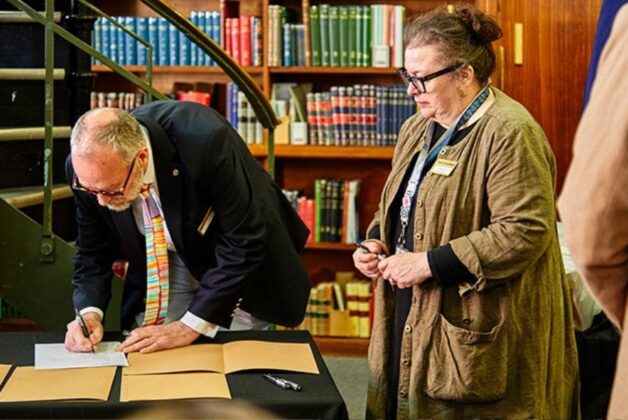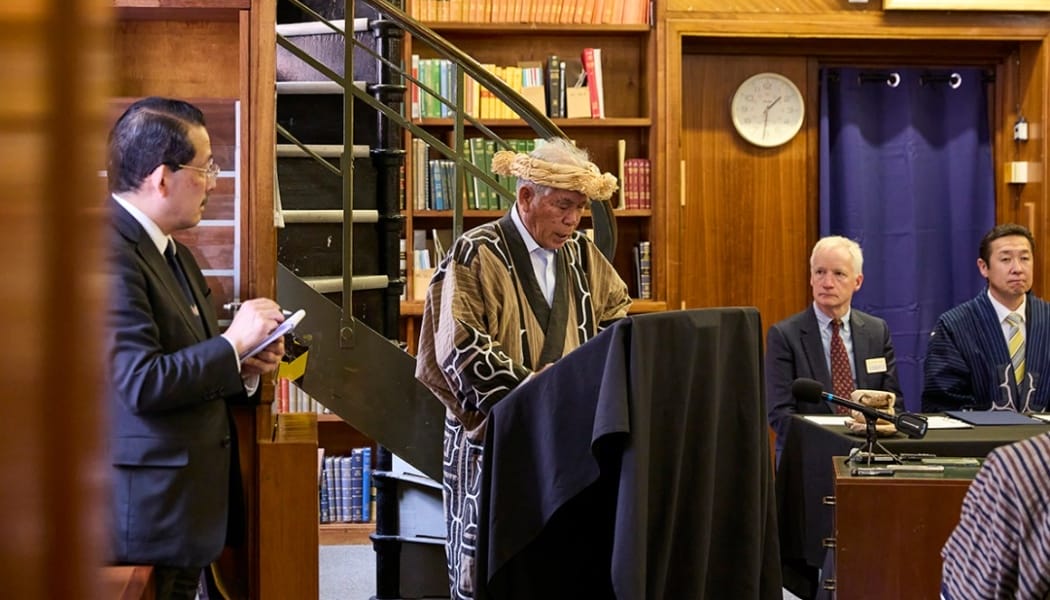
Alistair Hardaker | Image: Ainu Association of Hokkaido Executive Director, Natural History Museum Director, and Cabinet Office Minister attended a formal ceremony (c) NHM
The museum’s director said some of the human remains in its collections were acquired in ways not considered acceptable today.
The Natural History Museum has formally returned ancestral remans to Japan as part of a ceremony this week.
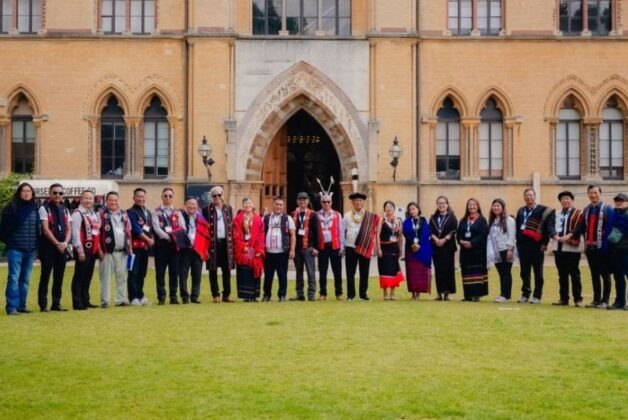
On 5 May 2026, the museum hosted the Japan Government’s Minister of Cabinet Office for Ainu-related Policies Kikawada Hitoshi and representatives from the Ainu Association of Hokkaido, led by Executive Director Ōkawa Masaru, to mark the return of seven Ainu ancestral remains.
The museum said it has been working in close collaboration with the Government of Japan and the Ainu Association of Hokkaido to transfer responsibility for the ancestral remains and return them to their places of origin.
Museum staff carried out archival research to understand the provenance of the ancestral remains, and a report was shared with the Government of Japan, who then outlined their wishes.
Following their return, the ancestral remains will be placed in the Memorial Site that has been established in the Upopoy National Ainu Museum and Park, Symbolic Space for Ethnic Harmony – UPOPOY – in accordance with the basic policy based on the Japanese Government’s Ainu Policy Promotion Act.
Members of the Ainu Association of Hokkaido held a traditional ritual in the museum’s gardens, followed by the formal ceremony attended by Minister Kikawada and Ainu Association representatives led by Executive Director Ōkawa and representatives from the Natural History Museum including Director Dr Doug Gurr.
Dr Gurr said: “We recognise that some of the human remains in our collections were acquired in ways that would not be considered acceptable today and we acknowledge the impact that this has had on communities.
“It was a great honour for the Natural History Museum to host the Government of Japan’s Minister of Cabinet Office for Ainu-related Policies Kikawada Hitoshi and representatives from the Ainu Association of Hokkaido, led by Executive Director Ōkawa Masaru, who were able to mark this reunification with their ancestors with the dignity and respect they deserve.”
Minister of Cabinet Office for Ainu-Related Policies Kikawada Hitoshi said The Natural History Museum’s decision to repatriate the ancestral remains was “an extremely important decision in order to protect the pride and dignity of the Ainu people.
“Allowing the ancestral remains, which have been stored in a foreign land for a long time, to be commemorated in their homeland is of great significance in line with the Japanese government’s policy of respecting the pride and dignity of the Ainu people, and I am deeply moved that we have received the ancestral remains safely today.”
The Trustees of the Natural History Museum agreed in November 2025 to return the ancestral remains to Japan. The museum has returned nearly 600 individuals to their countries or communities of origin, including Australia, New Zealand, Africa and North America.
It has granted all requests to return ancestors where connections have been established with communities and places of origin.