Co-founder and director of Altair Media recommends out-of-home advertising as most effective single paid channel, while audience-first planning beats campaign-by-campaign approach.
Your local audience knows you exist. They’ve probably driven past your building, seen your name, maybe even planned to visit someday. The challenge isn’t making them aware of you. The challenge, according to Lyndsey Best, Co-Founder and Director of Altair Media, is giving them a reason to stop putting it off.
As headline sponsor of the Museums + Heritage Awards, Altair Media specialises in marketing for museums and heritage organisations. Best has spent years working with institutions navigating tight budgets, competing for tourist attention, and trying to convert local apathy into actual visits. Her perspective on what actually works cuts through much of the conventional wisdom about museum marketing, starting with understanding what you’re really up against.
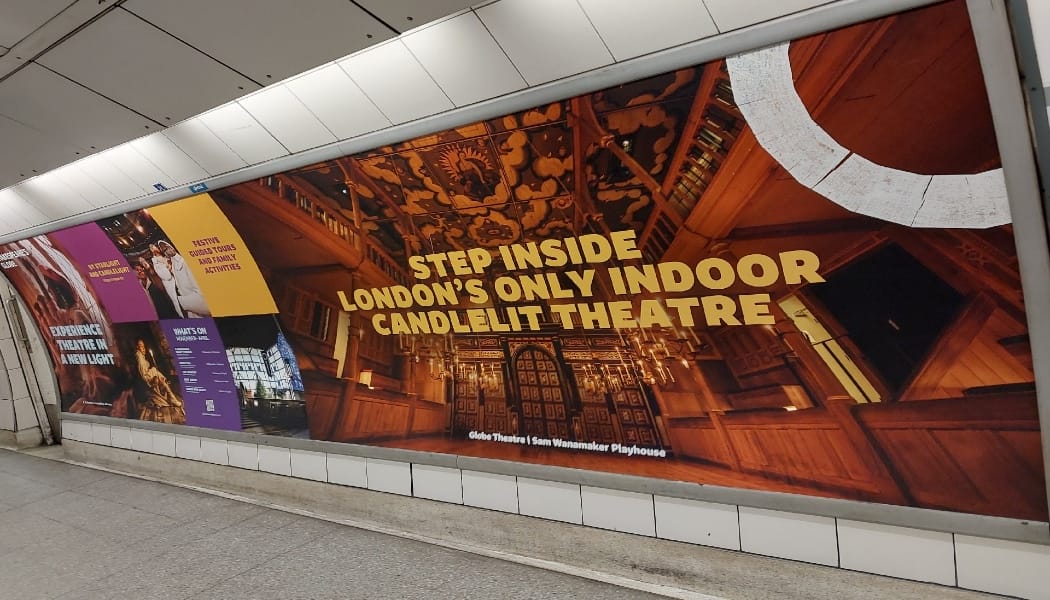
Understanding local apathy versus tourist appetite
The difference between marketing to local audiences and tourists isn’t just about where you place media. The fundamental challenge is different.
“For local audiences, it is less about appetite and more about awareness versus apathy,” Best explains. “They often already know you are there, but they have not prioritised visiting. The challenge is giving them a reason to act now and not keep putting it off.”
Tourists present a different task entirely, Best explained. Venues are more likely to build awareness and create connections from scratch. “You are convincing them that you are worth their limited time in a place where they have a lot of choice.”
Even within tourism, the distinctions matter: “Domestic visitors, short haul international and long haul international audiences all behave differently. They plan differently, they spend differently, and they have different expectations of what a visit looks like.”
The competitive landscape differs too, as tourists are not choosing between museums but everything available to them at that moment.
“That changes how you position the experience.”
“You cannot speak to all of these audiences in the same way,” Best emphasises. “What cuts through apathy locally is very different to what inspires someone visiting from overseas. The strategy, messaging and creativity all need to reflect that.”
The TV opportunity museums are missing
One of the most significant shifts Best has observed is how accessible television advertising has become for museums, yet how few organisations realise it.
“TV has been a game changer over the last year. It gives you smart targeting, a premium environment, and the ability to properly show what makes a museum worth visiting. The barrier to entry is much lower than people think, campaigns can be hyper local, and we can now track it back to site visits or sales.”
The support available makes it more viable than many museum teams assume. “It is also a channel where you can lean on media owners more than people realise. From creative development to optimisation, there is a lot of support available, which makes it far more accessible even for teams without large production budgets.”
“For a lot of museums, it is far more accessible and effective than it is given credit for.”
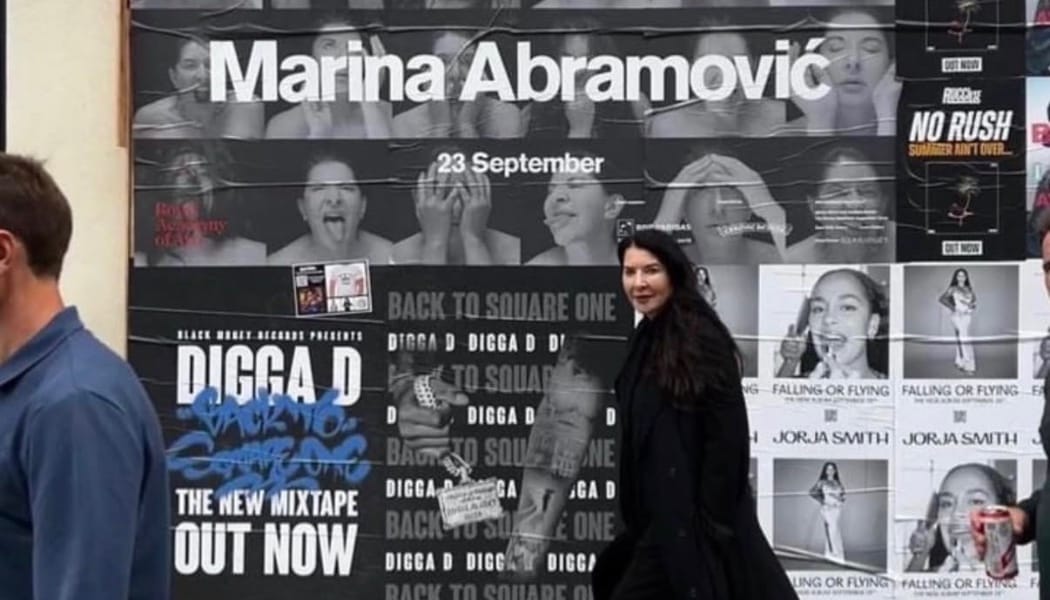
When to bring in specialist support
Museums often wonder when it makes financial sense to bring in external marketing expertise rather than handling everything in-house. Best’s answer is unequivocal; immediately.
“By definition, a specialist is bringing knowledge and perspective that does not exist internally. The longer it is left, the more value you miss out on.”
The key is partnership rather than replacement. “The best results come when you combine deep product knowledge from within the museum with strategic media expertise from the outside. That combination is where things become genuinely powerful.”
The value extends beyond campaign execution. “It is also not just about planning and buying. It is about setting the strategic direction early, making clear decisions on audiences, priorities and trade offs, and building something that creates a sustainable competitive advantage over time. That is very hard to retrofit later.”
For museums with tighter budgets, annual planning cycles offer particular value. “Tight budgets often push teams into a campaign by campaign mindset, which can actually make the budget feel even more stretched.
“Taking a step back and looking across the full year helps identify opportunities to get a competitive edge, and that is where a specialist can really add value. It is not about being tied into an ongoing fee, it is about bringing in expertise at the moments it will have the most impact.”
Understanding realistic budgets and outcomes
There is no single answer to what constitutes a realistic media budget for a regional museum. “It depends on targets and footfall expectations, so there is no single number.”
Different channels serve different purposes. Best said ‘owned media’, channels controlled directly, such as a website, email lists, and social media accounts and PR are critical, “but they will mostly reach your warmer audiences”.
Paid media’s job is growth. If you are not clear on what that growth needs to look like, you are just spending money and hoping for the best.”
Whatever the budget, focus becomes critical, said Best. “We talk a lot about the need to sacrifice and overcommit. If you try to do a bit of everything, you dilute impact very quickly. The museums that see results are the ones that are willing to make choices, back a priority audience, and commit to it properly.”
“Working with a specialist to forecast what is needed to bring new audiences in should be a key part of planning, ideally as part of the annual cycle.”
Where to focus paid media in 2026
The media landscape has changed substantially, and Best’s advice for where museums should focus their paid media is clear.
“Growth needs to be the focus. One of the biggest conversations we have is about challenging the numbers platforms report. Are we seeing genuine uplift in footfall or sales? If we are, great. If we are not, then we need to think differently.”
Different channels serve different objectives. “Digital channels are incredibly efficient and strong at driving short term behaviour. But if you want to shift perception or build real consideration, channels like OOH, TV or audio can have a much bigger impact, even if that is on fewer people.” (OOH refers to out-of-home advertising such as billboards, bus stops, and digital screens.)
“We talk a lot about committing to an audience. Not spray and pray. If you want to actually move the needle, you need to be willing to focus and back that decision.”
If a museum only has budget for one paid media channel, Best’s recommendation is straightforward. “OOH. That includes both static and digital OOH. It is the most effective way to make sure your local audience knows what is happening, what you are offering, and that they do not miss it.”
Beyond paid media, owned channels need to work harder. “Social in particular should be doing a lot of the heavy lifting. Invest time in content, especially creator led content, and stay active so you are not relying on paid to do everything.”
For museums eligible for Google Grants, this should be a priority. “If you can get a Google Grant, do it. If you do not have one, prioritise it. But do not just let it tick along. With the right setup and management, it can deliver serious value and often more than justify the cost of a specialist supporting it.” (Google Grants provide eligible nonprofits with free advertising credit for Google Ads, typically up to $10,000 per month.)
Common mistakes and missed opportunities
The biggest mistake Best sees museums making isn’t about channel selection. It’s about planning approach, or the trap of “thinking campaign by campaign.
“Budgets are often aligned to exhibitions or events, which makes sense internally, but audiences do not behave like that. Each time you plan in isolation, you are effectively starting from scratch again, rebuilding awareness and momentum rather than building on what came before.”
“That approach makes everything less efficient. Media works much harder when it is planned with continuity in mind.”
“An audience first approach changes that. Instead of resetting each time, you are building familiarity, relevance and connection over time, and that is what ultimately drives stronger results.”
The issue isn’t necessarily overinvestment in the wrong areas, but underperformance. “Most museums are doing a mix of channels, but they are not always pushing them to their full potential. Digital is a good example. There is often more in it than they are getting out.”
For free venues especially, this matters, said Best, as first party data (information collected directly from visitors such as email addresses) is harder to build. That makes targeting weaker, said Best, “but that just makes it more important to maximise what you can control.”
Creative shouldn’t be a barrier to testing and improvement. “Media owners can do a lot of the heavy lifting in terms of formats and production, so there is usually more opportunity to test and improve than people realise.”
“And then there are newer opportunities like TV and digital OOH which are still underused.”
Why Altair sponsors the sector
As headline sponsor of the Museums + Heritage Awards, Altair Media’s commitment to the sector goes beyond client work.
“Because it is full of brilliant people doing something genuinely important. Museums and heritage organisations are telling stories that matter, and there is a level of creativity and care in the sector that really stands out. That is something we are inspired by.”
From a professional perspective, the challenge appeals. “How do we help you find the people who would care about what you do, if only they knew about you? And how do we get them to actually do something they do not have to do, but will benefit from when they do?”
“That is what makes it interesting. It is not just about driving clicks or short term results. It is about connecting the right people with something that will genuinely enrich their lives.”
For museums handling marketing in-house with limited budgets, understanding what actually drives growth versus what simply generates activity matters more than ever. The local audience already knows you’re there. The question is whether your marketing strategy is giving them a compelling reason to finally visit.
Altair Media is Headline Sponsor of the Museums + Heritage Awards. For more information, visit altair-media.com