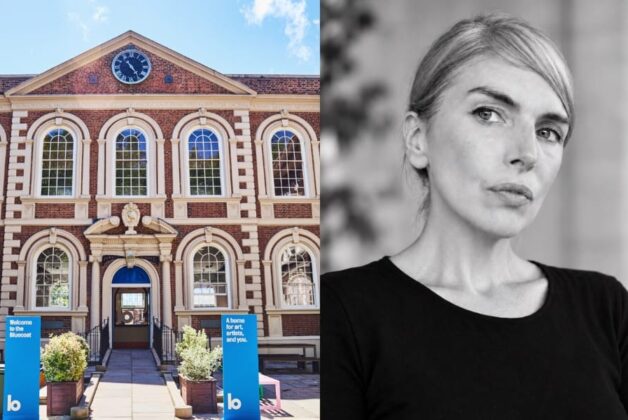

Alistair Hardaker | Image: Migration Museum
Three-strand programme will see more than 50 panel members document migration stories and shape visitor experience at new permanent home.
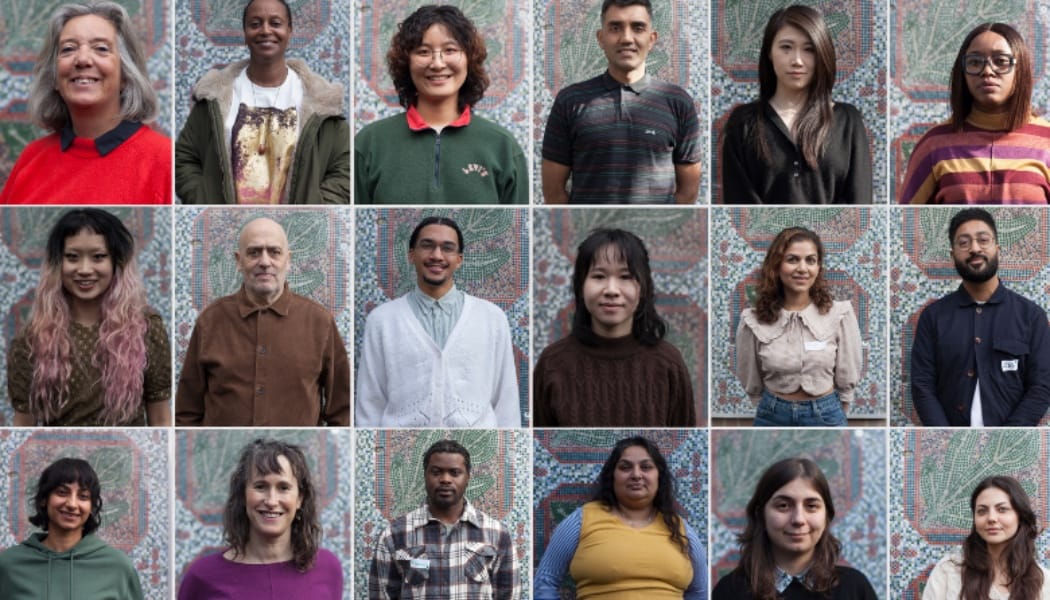
The Migration Museum has revealed the members of its People’s Panel, created to deepen understanding of local needs and community interests.
More than 50 individuals have been chosen, all of whom will have a say in key aspects of the museum’s new permanent home in the City of London. The first three floors of a new student accommodation development at 65 Crutched Friars will house the new purpose-built museum.
The people selected have connections to its new home borough of the City of London, its soon-to-be neighbouring borough Tower Hamlets, or its previous home borough of Lewisham, through either living, working, studying or organising in these areas.
The museum said the People’s Panel will act as a group of “critical friends and collaborators”, “shaping key aspects of our permanent museum”.
The People’s Panel programme has three strands into which its members are organised. ‘Migration Stories’ will train members to document and preserve migration stories from their communities, to form part of its collection. ‘Events’ will develop an events strategy and experiment with a co-produced programme of events. ‘Permanent Home’ will shape the museum’s visitor experience strategy, food and drink offer, and spatial design.
How the Migration Museum’s visitor welcome model became a winning formula
The new People’s Panel builds on the museum’s learnings from its previous work, in particular the first iteration of our People’s Panel in Lewisham, which ran from 2022-23.
Mona Jamil, head of civic engagement at the Migration Museum, said: ““We are delighted that so many people with connections to the communities closest to our permanent home, as well as our previous home borough of Lewisham, applied to take part, and we’re inspired by the passionate people on our panel who believe that a more inclusive future is possible.
“This work will be instrumental in shaping our permanent museum, ensuring that collaboration and co-production is embedded from the very beginning.”