Museum says changes to gallery labels began over a year ago as part of a routine review, but an online petition demanding transparency has gathered over 13,000 signatures.
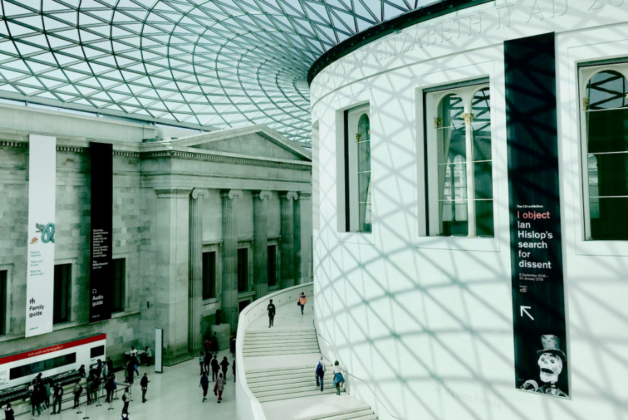
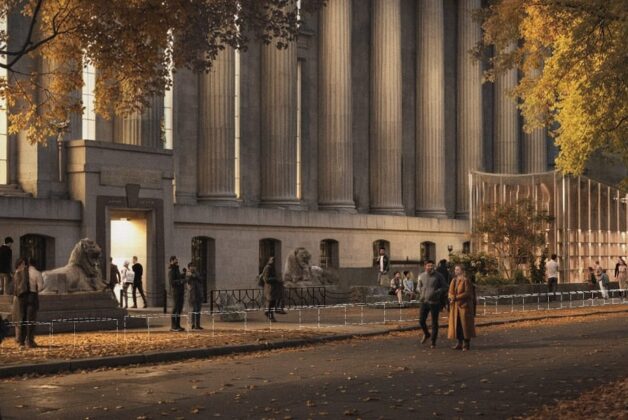
The British Museum has denied claims that it removed the word Palestine from some of its labelling as a result of pressure from UK Lawyers for Israel (UKLIF), a voluntary group of solicitors.
The group wrote to the museum last week about the use of the name in its labels. The group wrote on its website that “this anachronistic terminology distorts the historical record and obscures the history of Israel and the Jewish people.”
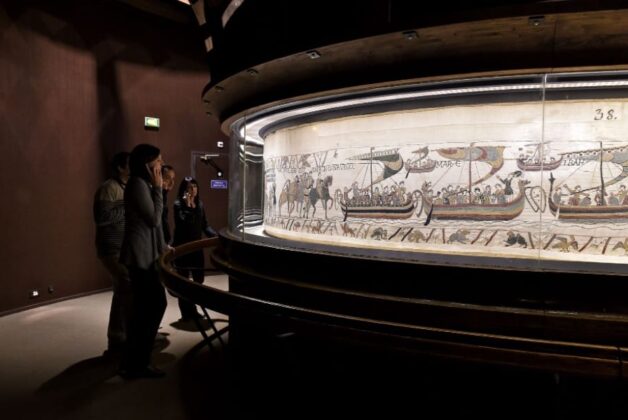
The museum told Advisor that some labels and maps in the Middle East galleries had been amended to remove the name, but that changes to the labelling began over a year ago, before the letter was received.
While it confirmed that it had received and responded to the letter, it said the changes had followed a review of label text based on audience research, which it said suggested in some circumstances the term was “no longer meaningful”.
The museum did not immediately respond to further questions about this audience research.
The museum said the changes had been made to show ancient cultural regions, instead using terms such as “Canaan” which it said was more relevant for the southern Levant in the later second millennium BC.
It clarified that the museum has not fully removed the word Palestine or banned its usage in labelling.
It cited the use of UN terminology on maps that show modern boundaries, for example Gaza, West Bank, Israel, Jordan and refer to ‘Palestinian’ as a cultural or ethnographic identifier where appropriate.
A museum spokesperson said: “It has been reported that the British Museum has removed the term Palestine from displays.
“It is simply not true. We continue to use Palestine across a series of galleries, both contemporary and historic.”
Controversy arose following a Daily Telegraph article last week, which first reported the removal of the term.
Posting on X, historian William Dalrymple claimed British Museum director Nick Cullinan had said he was unaware of the changes until the news story was published.
Dalrymple quotes Cullinan as having said the museum “amended two panels in our ancient Levant gallery last year during a regular gallery refresh, when some wording was amended to reflect historical terms.
“To be honest, the even more frustrating and concerning thing is that I knew nothing about this until yesterday and has only been explained to me this morning. I hadn’t even seen that [UK Lawyers for Israel] letter despite asking for it until this morning. I’m disgusted by the whole thing.”
An online petition calling for references to Palestine to be restored, and further transparency in the museum’s decision-making process, has reached over 13,000 signatures.
The Change.org petition says: “This selective removal suggests inconsistency in curatorial standards and raises concerns about political pressure influencing historical presentation.”