Independent evaluation shows £32m investment in Shrewsbury mill delivered £49.6m in economic benefits and created 62 jobs.
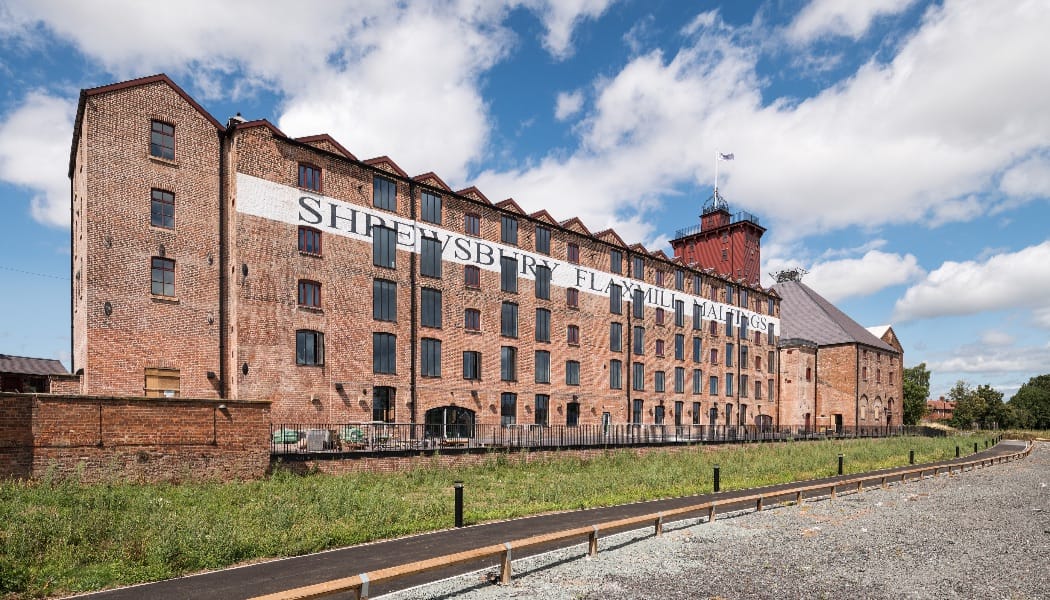
An independent evaluation of the Shrewsbury Flaxmill Maltings regeneration has been published by Historic England, demonstrating economic and social returns from the former derelict mill.
The evaluation by AMION Consulting reveals total economic benefits of £49.6m against public sector costs of £36.4m, creating £13.1m in net value.
For every £1 spent the project created £1.36 worth of benefits including jobs, tourism and heritage preservation.
Shrewsbury Flaxmill Maltings, known as the ‘Grandparent of Skyscrapers’, is the world’s first iron-framed building. Originally a flax mill and then a maltings, the site fell derelict after closing in 1987. After nearly two decades of unsuccessful attempts to restore it, Historic England acquired the building in 2005.
The Grade I listed Main Mill and Grade II Malting Kiln have since been turned into offices, cultural spaces and a community café with £20.7m from The National Lottery Heritage Fund, and funding from Historic England and partners.
The restoration created 930 square metres of cultural space and 2,259 square metres of commercial office accommodation, leading to 62 full-time equivalent jobs. Additional floors remain available for leasing to businesses.
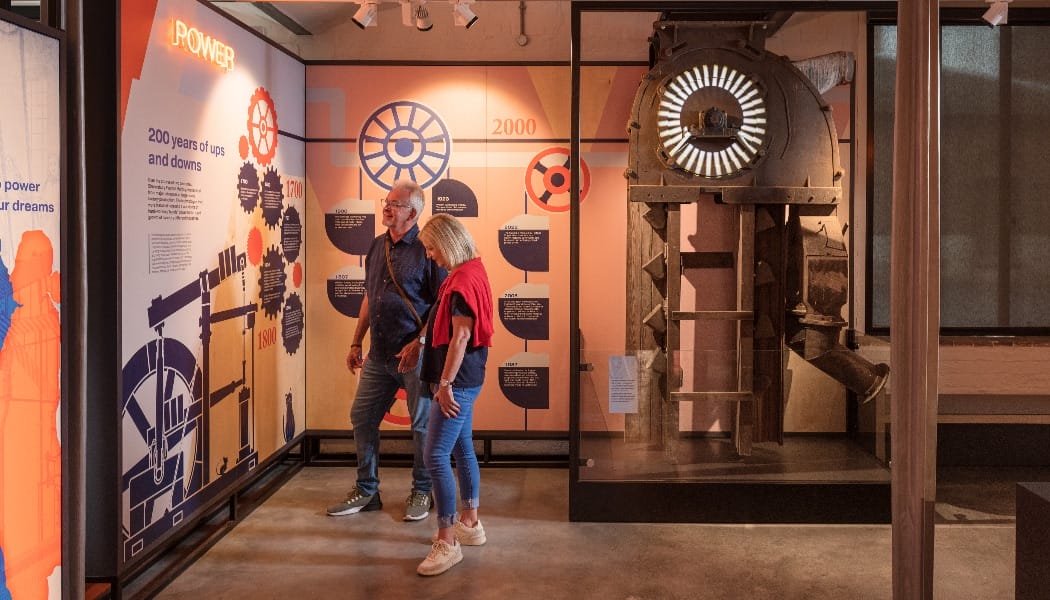
AMION Consulting found the project achieved exemplary conservation standards, earning 18 national and international awards including RIBA and Europa Nostra recognition. The Main Mill was successfully removed from the Heritage at Risk register.
Visitor numbers reached 18,340 in-person visits over the past year, with total footfall including café visitors approaching 56,000 annually. The evaluation also reveals social benefits including reduced crime and improved community pride.
Duncan Wilson, Former Chief Executive of Historic England, said its success “provides a valuable model for future heritage-led regeneration projects across England, showing how strategic investment in historic buildings can deliver lasting economic and social benefits for local communities.”
Eilish McGuinness, Chief Executive of The National Lottery Heritage Fund, said the transformation was a “brilliant example of our vision for heritage to be valued, cared for and sustained for everyone, now and in the future.”