

Consultant advises venues to research competing attractions and create distinctive experiences that fill gaps in tourist itineraries.
When museums and heritage venues consider how to attract visitors, they often think of their provision in isolation – they focus on their own galleries, exhibitions, tours, talks, events and activities.
Yet this is not how visitors see it. Visitors have plenty of ways to spend their leisure time and can easily find out a wide variety of possibilities using digital and social media. When forming options, they are looking at the bigger picture. It therefore pays venues to look beyond their walls and do the same to ensure their offer is eye-catching.
Review what’s on offer
Start by researching the full variety of leisure visits in your area, to see the potential choice that visitors have and determine the overall visitor landscape. Though this will obviously focus on cultural visits, it could also include natural environment, visitor attractions (e.g. zoos, farms), shopping destinations, etc. Aim to capture a range of leisure options from main attractions to small activities, representing the characteristics of the area.
For a more thorough approach, research local provision of classes/ workshops/ activities for different audiences that relate broadly to your venue’s activity programme of talks, tours, drop-in or booked activities, etc. Include topics that could link to your venue (e.g. art, craft, heritage, history, photography or yoga/Pilates if you have space).
While building up an overview of visitor options, also explore the type of experiences on offer, the nature of visits and how they are promoted. Do they appeal to a range of visitors or are some visitor offers focused on a particular audience (e.g. families)? Comparing pricing, booking and ticketing at the same time gives useful market research data.
Note seasonal visitor offers, including festivals, fairs, street events, Christmas lights/markets, etc. This is especially important when they are significant activities that are part of the general tourist offer and included in the local calendar of events.
Finally, log the geographical spread of all these options, offers and activities for visitors compared to your venue, matched to travel routes and public transport.
Much of this research can be carried out on-line. Searching Google Maps pinpoints different types of provision, with website links. Local/ regional tourist boards and many councils promote visitor attractions and it is often possible to find maps of attractions on-line. Review sites such as Tripadvisor and Day Out With The Kids list a wide range of alternatives. Researching a variety of sources often reveals the smaller offers that are still part of the visiting landscape.
Filling the gaps
With a clear understanding of the choices that visitors have, you can determine exactly where your venue fits in. Tripadvisor and other review sites are also helpful here, as they rank options by popularity along with comments, highlighting visitors’ perceptions. Visitor data from tourist boards or individual venues deepens insight into what visitors want to do, the types of experiences they are after, audience agendas and visiting patterns.
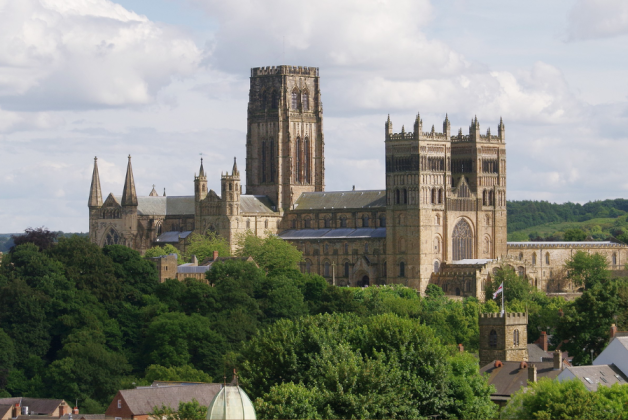
Often your venue will not be the major attraction or even in the top ten of typical visitor itineraries. For many visitors, the main draw will be a cathedral, abbey, castle, heritage property, significant art collection or period town centre. These top choices generate tourist visits and are understandably promoted as key attractions.
To command attention, your venue needs to offer something distinctive within the visiting landscape, plugging a gap or fulfilling a need. Museums and heritage have a variety of assets, so can you use yours to create some high-quality, memorable experiences that visitors cannot easily get elsewhere?
Compelling experiences are authentic, play to your strengths, have a clear identity and gives visitors clear benefits and reasons to visit. For example, a short visit with one or two memorable experiences (e.g. tower/roof visit with view) could fit into the itineraries of tourist day trippers, who have already seen the main attractions. Likewise, tourists staying overnight could be open to a sought-after, premium or limited-edition experience on their second day (e.g. Ghost Tour). Anything with a sense of discovery or exclusivity gives experiences that visitors want to talk about and photo opportunities encourage them to post and share.
Consider varied types of engagement in peak-season, shoulder-season and off-season to attract different audiences. Local and community visitors have different relationships to your venue compared with tourists and may be more interested in value as well as events and activities, giving reasons return throughout the year.
Partnering with other nearby attractions could form a cluster, increasing your presence and rewarding visitors who make the effort to travel to you with a selection of things to do.
Matching your offers to the visiting landscape helps your venue stand out and gives a clear direction to marketing and strategic development. It also highlights the part your venue can play in attracting visitors to your local area and the potential for working with local/district councils and promotional bodies to be a key element of the local tourist offer.
Colin Mulberg is Director of Colin Mulberg Consulting, specialising in improving the visitor experience and offer for museums, galleries and historic properties/sites. He chairs sessions at the Museums + Heritage Show and is always looking for suitable case studies. See: www.colinmulberg.com