Alistair Hardaker
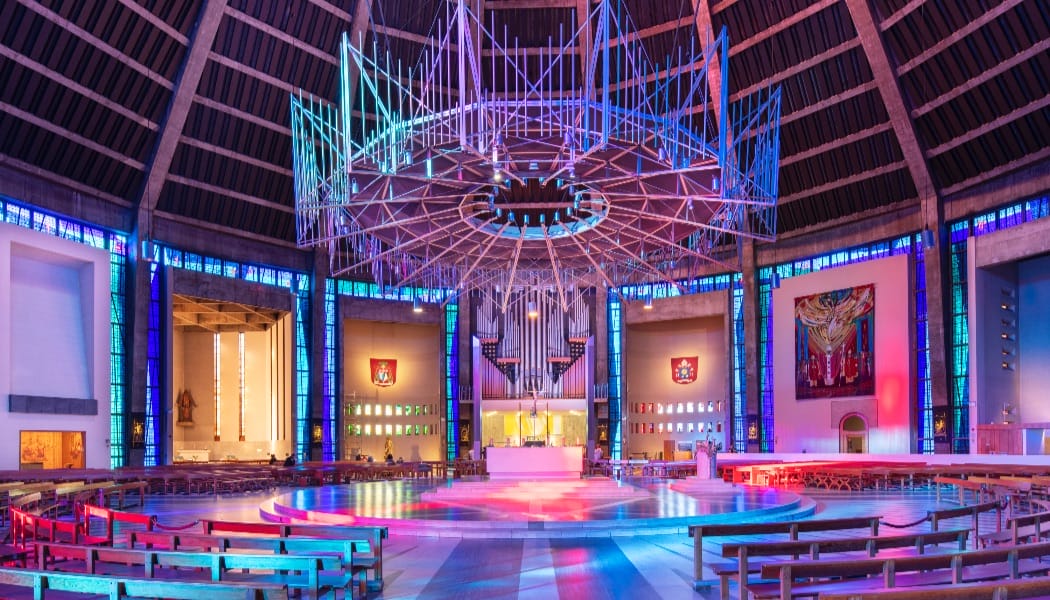
Image: Liverpool Metropolitan Cathedral. Upgraded from Grade II* to Grade I. Copyright Historic England Archive
Neolithic burial mounds, 1980s architecture and wartime defences designated in annual protection list
Historic England has added 199 historic buildings and sites to the National Heritage List for England in 2025, spanning from Neolithic remains to late 20th-century architecture.
The additions comprise 173 listings, 21 scheduled monuments and five parks and gardens. A further 129 amendments were made to existing listings. The List is the official register of all nationally protected historic buildings and sites in England.

Protected sites range from a Neolithic burial mound dating to 3400 BC in the Yorkshire Dales to a rare shipwreck known as the Pin Wreck in Dorset. Second World War anti-tank defences in Surrey and rare dockside equipment in Greenwich linked to undersea telecommunications have also been designated.
The Greenwich equipment includes a cable hauler installed in 1954 to assist with loading the first successful transatlantic telephone cable TAT-1, which became operational in 1956. The technology laid foundations for today’s subsea optical cables that transmit internet traffic worldwide.
Historic England Co-CEOs: ‘Being on the Heritage at Risk Register is a good thing’
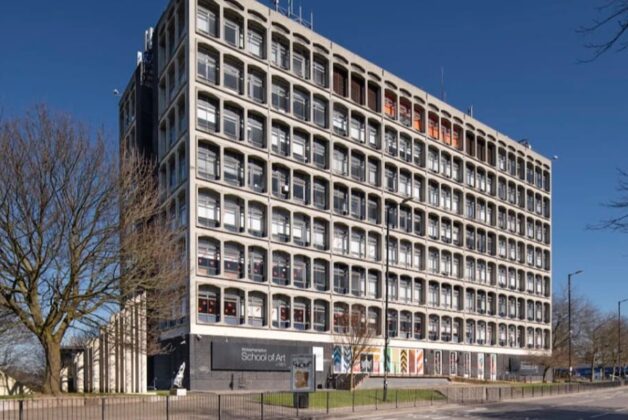
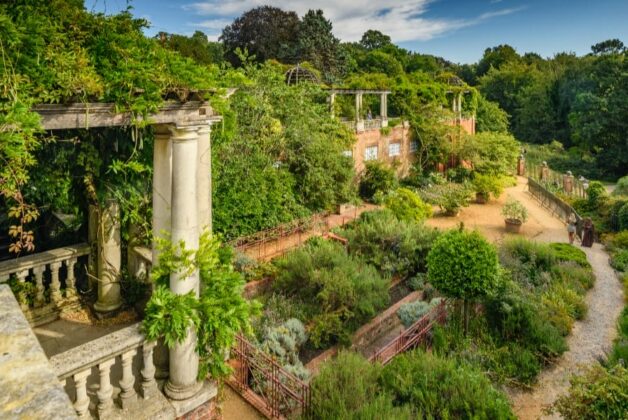
Newly listed buildings include the post-war Renold Building at the University of Manchester, Arts and Crafts gardens in North Yorkshire, a neoclassical school in Birmingham and Adams Heritage Centre, a former Victorian ironmongers that specialised in Norwegian ice skates.
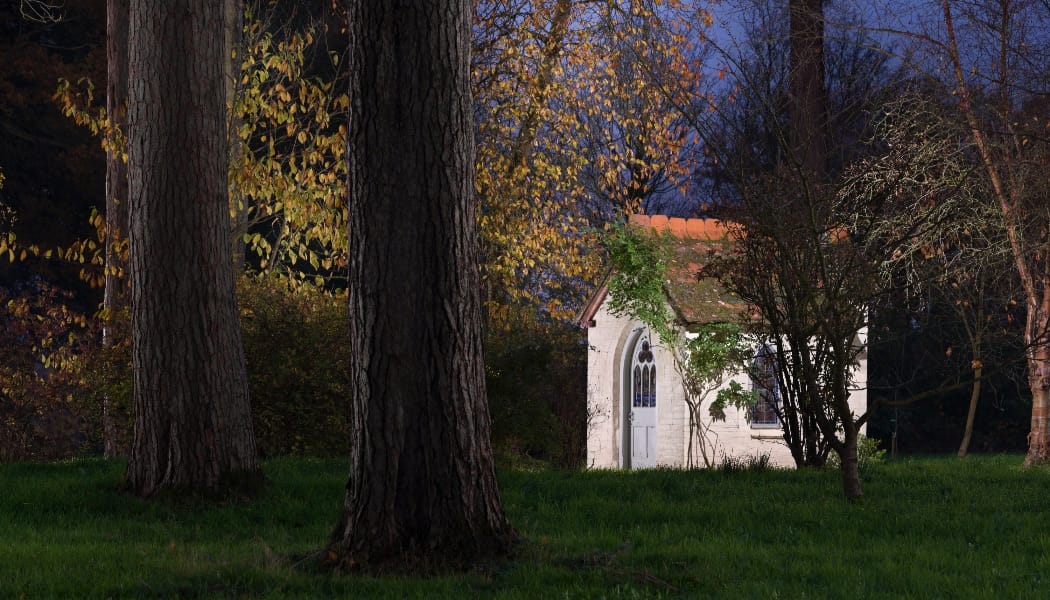
Victorian guideposts in Cheshire, coal duty boundary posts in Essex, a Gothic garden chapel in the Midlands, a tin tabernacle church in Essex and the concrete 1980s workshop of architect Sir David Chipperfield in London have also been added.
Claudia Kenyatta and Emma Squire, Co-CEOs of Historic England, said the newly protected “demonstrate the remarkable diversity of England’s heritage” and “connect us to the people and events that shaped our communities.
Heritage Minister Baroness Twycross added: “Britain’s heritage is as varied as it is brilliant, with each of these buildings playing a part in shaping our national story over the centuries.
Several sites received upgraded protection status. Liverpool Metropolitan Cathedral has been upgraded from Grade II* to Grade I, whilst Draper’s Windmill, a working smock mill in Kent, has been upgraded from Grade II to Grade II*. Bude Storm Tower in Cornwall, known as ‘the Pepperpot’, has had its list entry updated after being moved for a second time due to coastal erosion.
Historic England is inviting the public to share photographs, stories and memories of historic places through its Missing Pieces Project.