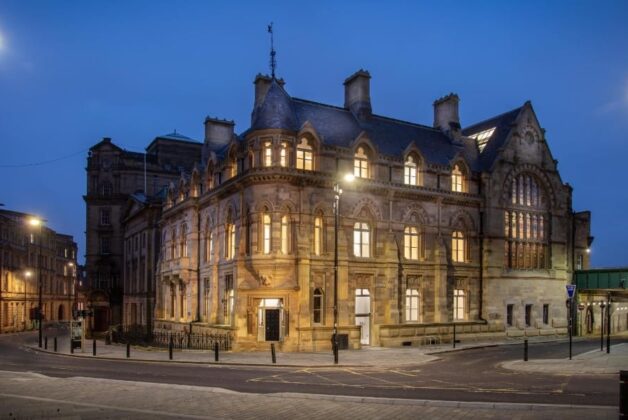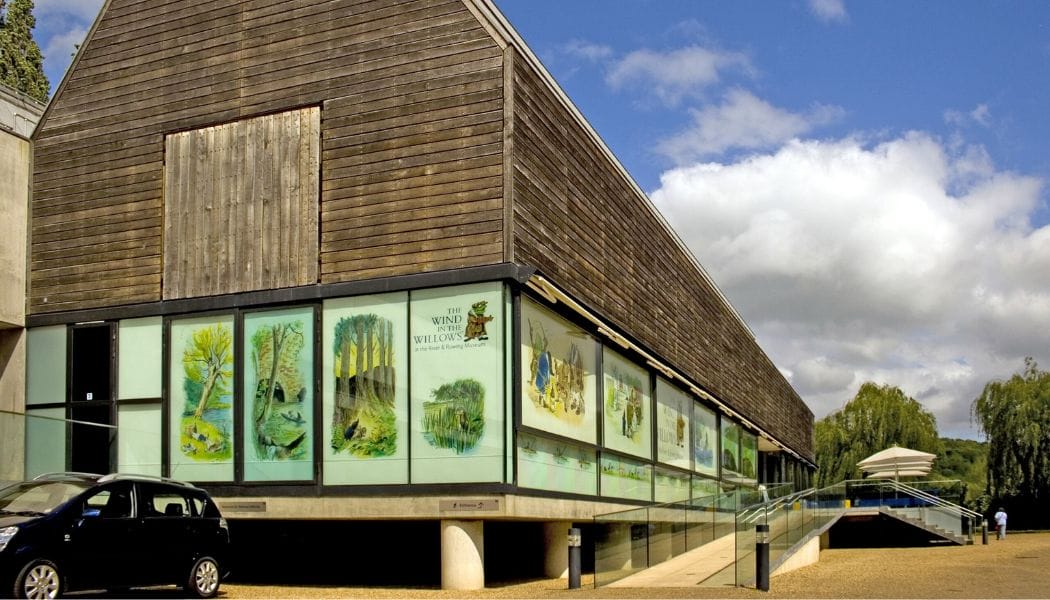
The former River & Rowing Museum building in 2005 (CC BY-SA 2.5 Rowland Shaw)
Closure followed inflationary pressures and capital requirements, with expressions of interest due by 6 February 2026.
The River & Rowing Museum (RRM) is in search of a new home for its collections, following its public closure in September.
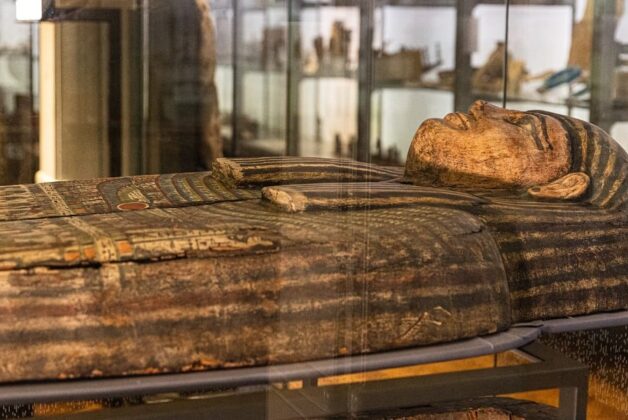
It has opened a sector-wide call for expressions of interest for the ethical transfer of its accessioned and unaccessioned collections.
It hopes to receive expressions of interest from accredited museums, museums working towards Accreditation, and other public or not-for-profit bodies able to provide long-term public access and appropriate collections care.
The museum is following the Museums Association’s Code of Ethics, its Disposal Toolkit, and ACE’s Accreditation guidance throughout the process, it said.
The closure was the result of Inflationary pressures, rising operational costs and significant capital requirements, the museum said. It made the occupation of the Henley site unviable, prompting the Board to begin a structured disposal and transfer process in line with museum sector ethics.
A spokesperson for the River & Rowing Museum called the decision to close “an exceptionally difficult decision”, but said its priority is to “secure the most ethical and sustainable future for the collections.
“We are committed to ensuring objects remain accessible to the public, cared for to appropriate standards, and, wherever possible, kept together in meaningful groupings.”
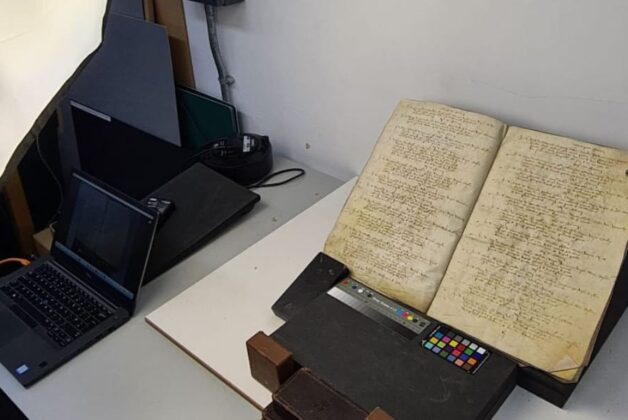
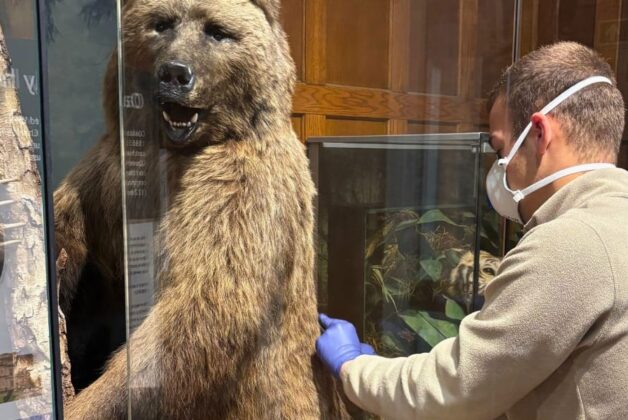
Expressions of interest are welcomed for whole or substantial parts of the collection, though proposals for individual objects will also be considered. The handling collection is excluded due to its continued use in outreach.
The Henley collection, which due to its strong local significance is being considered separately, will not be offered during this initial EOI phase. Around 300 objects within the Henley collection are on loan from the Council and will remain in its ownership.
“We recognise the importance of maintaining the integrity of collection groupings, especially where provenance or narrative cohesion is at stake. Our decision-making will be guided by established ethical principles and undertaken in dialogue with sector bodies and funders,” the spokesperson added.
The museum building is currently for sale, though this process is being managed independently of collections planning. Off-site storage is available should a rapid exit from the building be required. Logistics and costs relating to object movement will be negotiated case by case.
Museums and eligible organisations are encouraged to contact [email protected] for an informal conversation ahead of a formal submission. EOIs are requested by the 6th February 2026, with decisions made by the Board of Trustees following curatorial and professional consultation.